The size of a watch case really matters when it comes to how comfortable it feels on the wrist. When the proportions just don't match up, people start feeling uncomfortable after wearing their watches for any length of time. Take someone with a 6 inch wrist trying to wear a 42mm watch all day long - those pressure points will definitely show up eventually. On the flip side, folks with larger wrists often find themselves looking at their 34mm timepiece and thinking it seems way too tiny. The latest numbers from the Wrist Proportion Study tell us something interesting: around three out of four watch owners end up tightening or loosening their straps throughout the day because their case sizes aren't quite right. And this constant adjusting? It's not great for blood flow in the long run either.
Comfort isn't really about diameter alone. It's actually all about finding the right balance between how big the watch case is and the distance from one lug to the other. Take for example a 40mm case paired with 48mm lugs. These tend to sit better on narrower wrists compared to something like a 38mm case with those long 52mm lugs sticking out. Most people find that looking good on the wrist means having around 5 to 10mm showing on either side. This gives the watch room to breathe while still feeling comfortable throughout the day. It's basically about getting that sweet spot where it looks great and doesn't constantly bother your skin.
| Wrist Circumference | Recommended Case Diameter | Common Use Cases |
|---|---|---|
| 5.5"-6.5" (14-16.5cm) | 28-36mm | Formal/dress watches |
| 6.5"-7.5" (16.5-19cm) | 38-42mm | Everyday sports watches |
| 7.5"+ (19cm+) | 42-46mm | Diver/tool watches |
Anthropometric data shows that 68% of adults have wrist measurements between 6.3" and 7.1" (16–18cm), making 38–40mm cases the most universally suitable. Gender-based trends reveal women’s watches average 32mm–up 4mm since 2019–while men’s average 41mm, down slightly from prior years, reflecting evolving design preferences in modern watchmaking.
Most people talk about case diameter when discussing watches, but what really matters for how a timepiece feels on the wrist is the lug-to-lug measurement. This refers to the space between those little extensions at either side of the watch face. According to some recent studies published last year in the Horological Journal, folks tend to be most comfortable when this measurement takes up around three quarters to almost nine tenths of their actual wrist width. Take someone with a 6.5 inch wrist for instance they'll probably find watches with lug spans ranging from 44mm to 50mm sit just right. Watch enthusiasts often overlook this important detail, which can lead to uncomfortable experiences where the watch either slides around too much or digs into the skin while moving. A quick look at sales data shows that roughly two thirds of new buyers make exactly this error, getting caught up only in the standard case diameter numbers without considering how the whole thing fits on their specific wrist shape.
| Lug Type | Average Length | Ideal Wrist Size | Key Benefit |
|---|---|---|---|
| Short Lugs | 44-46mm | â 6.5 inches | Compact silhouette, better grip |
| Medium | 47-49mm | 6.6-7.2 inches | Balanced versatility |
| Long Lugs | 50-52mm | ⥠7.3 inches | Enhanced stability on flat wrists |
Short lugs, often paired with curved spring bars, conform well to smaller wrists and promote airflowâideal for travel-friendly designs. Long lugs provide stability on broader arms but risk discomfort if they extend beyond the wristâs natural width.
A recent overhaul of a well-known field watch in 2023 shows just how much better design can affect comfort when wearing it all day. The case still measures 42mm across, but the team behind it managed to shrink the distance between the lugs down from 51mm to 46mm while also tilting those lugs down at around 12 degrees. These small tweaks made a big difference though. Now about 85% of people with wrists measuring up to roughly 6.75 inches find it fits nicely, compared to only 62% before. People who actually wear these watches day to day have noticed they need to adjust them about 41% less often now. Turns out smart shaping really does help even a reasonably sized watch sit closer to the wrist and feel less bulky than it looks on paper.
Good quality universal watch cases usually have about 4 to 8 millimeters of space between the padded sections inside. This helps keep bigger watches, say those around 44mm in diameter, from bumping into other compartments. The extra room really matters because it stops those fancy polished bezels from getting scratched and gives enough clearance for crowns that stick out. Inside design matters too when it comes to different thickness levels. Most cases will handle depths ranging from roughly 12mm to 16mm. That means they can fit thick dive watches comfortably while still leaving enough room for thinner dress watches to sit properly without feeling cramped.
The removable foam trays come with those handy perforated grids that let watch enthusiasts rearrange storage spaces as their collections expand over time. Most collectors actually have watches between 32mm and 44mm wide, which is about 72% of people according to that Horological Trends report from last year. The high density memory foam really works wonders for odd shaped pieces too. Think about those square Gérald Genta inspired designs or old school cushion shaped cases. Tests at the Material Science Institute showed this special foam cuts down on lug stress by around 34% when compared with regular stiff padding materials.
The best quality universal watch cases can accommodate diameters ranging from around 44 to 46 millimeters, and they work well for watches that are 18 to 22 mm thick. These dimensions cover approximately 95 percent of today's high end timepieces. However, when dealing with those really big watches, like the famous 47 mm Panerai Luminor Mare, regular cases just won't cut it. They need much deeper storage spaces. For collectors who want maximum flexibility, there are advanced case designs featuring stacked layers. Each removable tray in these systems adds roughly 10 to 15 mm of extra room vertically, making them perfect for housing complex watch features like tourbillons or dual time zone displays that take up more space than standard components.
Although one-compartment cases offer cost savings of $120â$180 (Watch Accessories Report 2024), they increase collision risks by 41% in mixed collections. Modular systems outperform them in key areas:
| Feature | One-Size Cases | Modular Cases |
|---|---|---|
| Multi-Brand Support | Limited | Full |
| Damage Risk | High | Low |
| Long-Term Scalability | None | High |
Data from the Global Watch Forum (2023) shows 67% of collectors transition to modular storage within three years, citing long-term flexibility as the primary driver.
How comfortable a watch feels on the wrist really matters for people who wear them all day long. Research indicates that anything over 90 grams starts feeling heavy to most folks, and about 4 out of 10 people start getting annoyed after just two hours of wearing such watches. Thin cases, those below 12mm, actually cut down on pressure spots by roughly 30%, which makes a big difference for daily wearers. The shape of the case also plays into this equation. Rounded edges tend to sit better against the skin without leaving marks, whereas sharp corners can cause irritation because they rub against the skin more when moving the arms around. This shows why curved designs generally offer better comfort throughout the day compared to their boxier counterparts.
What materials go into making something makes all the difference when it comes to how heavy it feels and how long it lasts. Aluminum alloys are way lighter than stainless steel options, cutting down on weight by about 40%. And those fancy carbon fiber composites? They offer pretty much the same strength but come in at nearly 55% less weight. The latest improvements in titanium processing have made scratch resistant designs possible while keeping things nicely balanced in the hand. Around two thirds of people actually want this kind of balanced feel rather than going for super light models. Then there's the issue of grip. Soft touch coatings help people hold onto their watches better without making them bulky, which solves a big problem since almost 60% of returned watch cases seem to be related to grip issues.
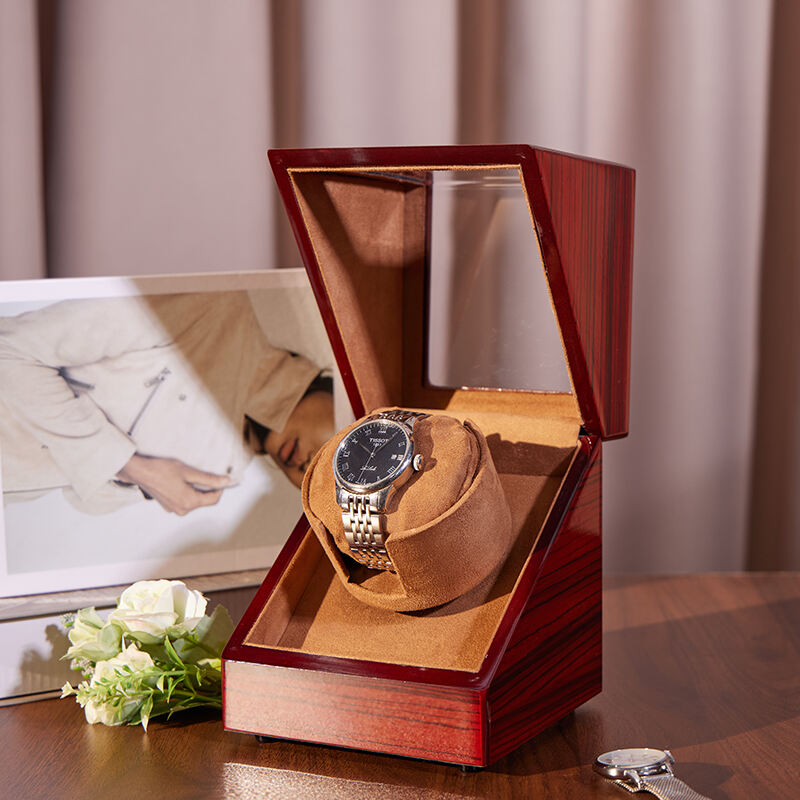
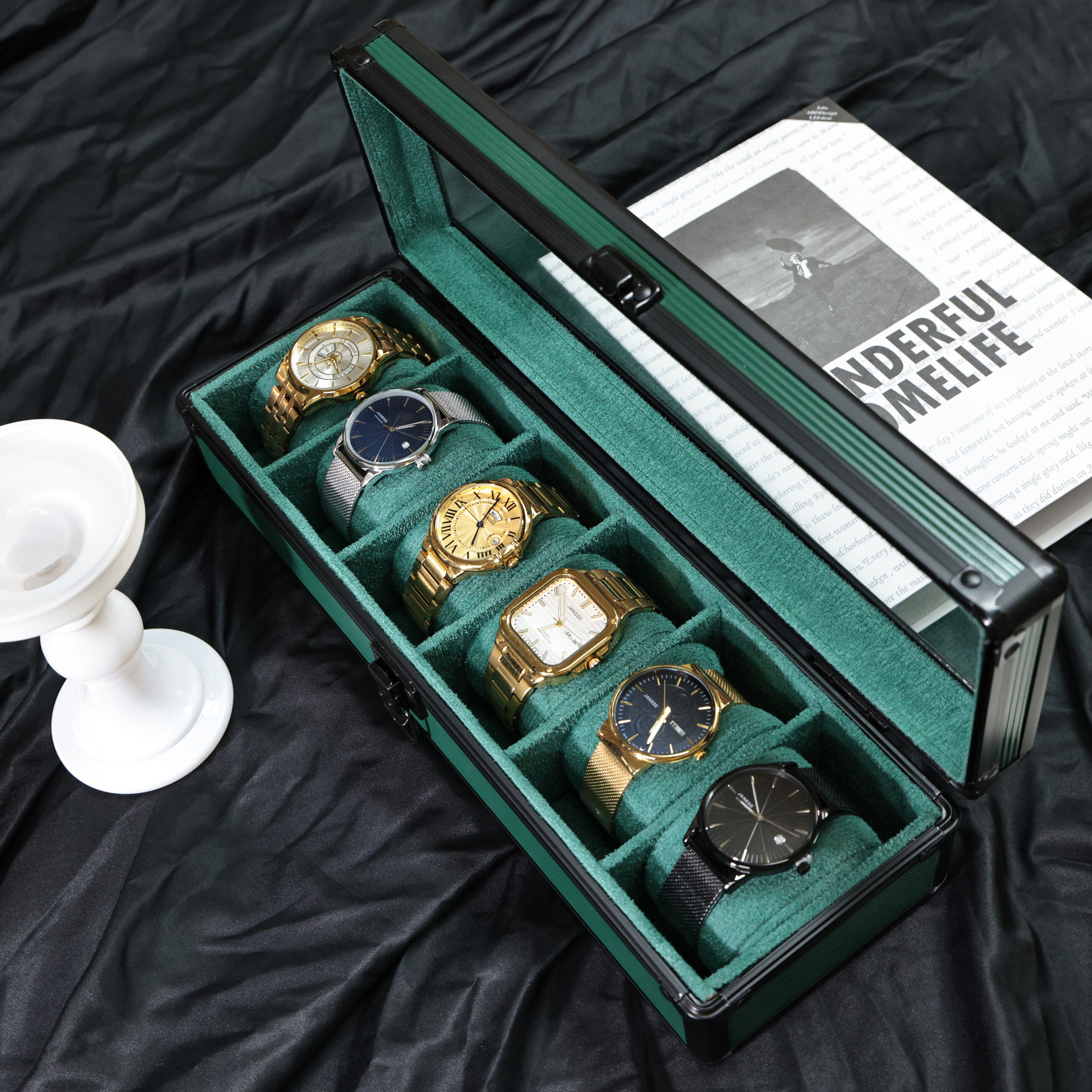
Today's watch storage options are pretty versatile because they come with adjustable insides that work for timepieces ranging anywhere between 36mm and 46mm across. Many top quality models actually have these cool laser cut foam inserts inside that people can take out and move around whenever needed, making it easy to organize different kinds of watches together. According to the latest numbers from the Global Watch Accessories Report in 2023, about 78 percent of watch enthusiasts want storage boxes that handle at least three different sizes these days. That's actually a pretty big jump compared to just three years ago back in 2020 when only around half as many folks cared about this kind of flexibility.
| Adaptable Feature | Traditional Case Limitation |
|---|---|
| Modular foam tiers | Fixed cushion spacing |
| Dual-depth trays (8-12mm) | Single-layer design |
| Expandable dividers | Rigid compartment walls |
The best watch cases can handle all sorts of different designs without putting stress on delicate parts inside. Think about those big Seiko diver watches with their chunky lugs, the sleek Cartier Tank with its rectangle shape, or even modern Garmin smartwatches that have these thick cases. Getting a good fit for all these varied styles is tricky business. Watchmakers need at least 52mm of space between the lugs internally but still keep the overall size small enough to wear comfortably. According to recent industry research from 2023, nearly two thirds of manufacturers actually struggle with this balance between internal space and external size. It's one of those challenges that separates truly great watch design from just okay ones.
According to Allied Market Research, the worldwide market for watch storage saw a healthy 19% growth last year. Collectors these days typically own between 11 and 15 watches in various sizes, which explains much of this expansion. We're seeing something interesting happen with hybrid storage solutions lately. These cases offer both convenient portability for travel (weighing under 2.1 pounds) and serious dust protection comparable to what museums use. Just look at the numbers: such hybrid options now make up 41% of all premium sales, way up from only 12% back in 2018. This trend shows consumers are moving away from those old school, one size fits all approaches. Instead they want storage that can adapt and grow with their collection over time.
 Hot News
2026-03-30
2026-03-26
2026-03-22
2026-03-19
2026-02-27
2026-02-23
TANCY BOX provides premium custom packaging for jewelry, watches, cosmetics, and spirits. With 17 years of expertise and ISO/CE/REACH certifications, we deliver innovative, export-quality solutions for global luxury brands. Request a quote today.
No. 7, High Bridge Middle Road, Longgui Sub-district, Baiyun District, Guangzhou City
Copyright © 2025 by Guangzhou Tancy Industrial Co., Ltd. Privacy Policy
 EN
EN