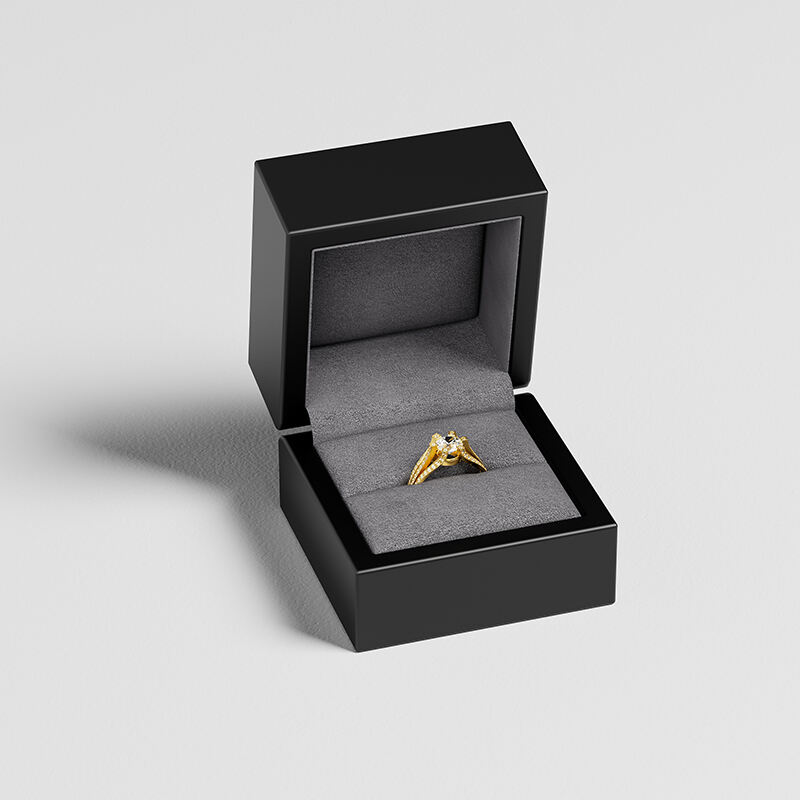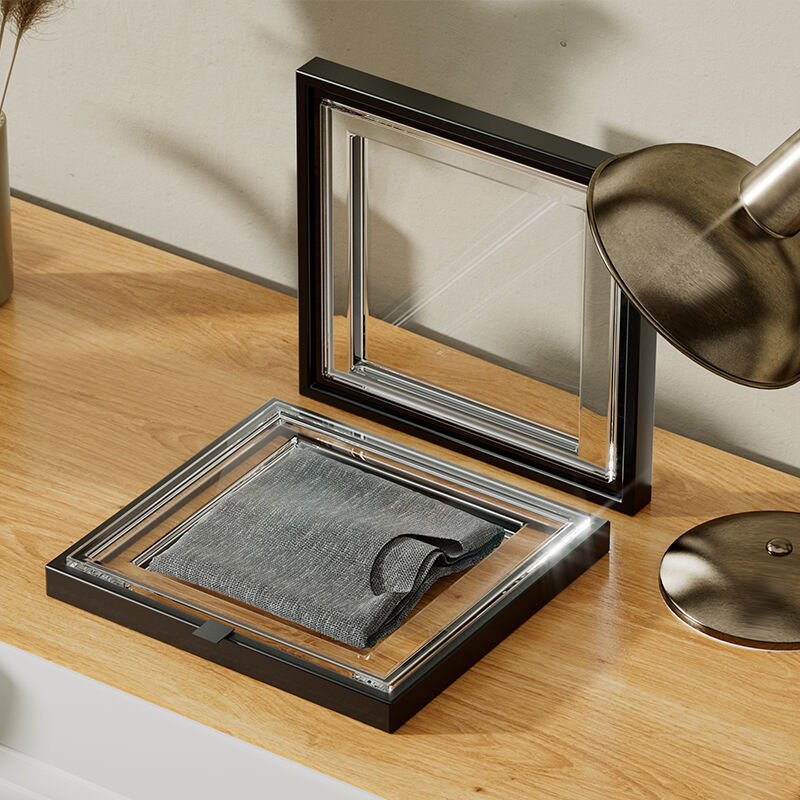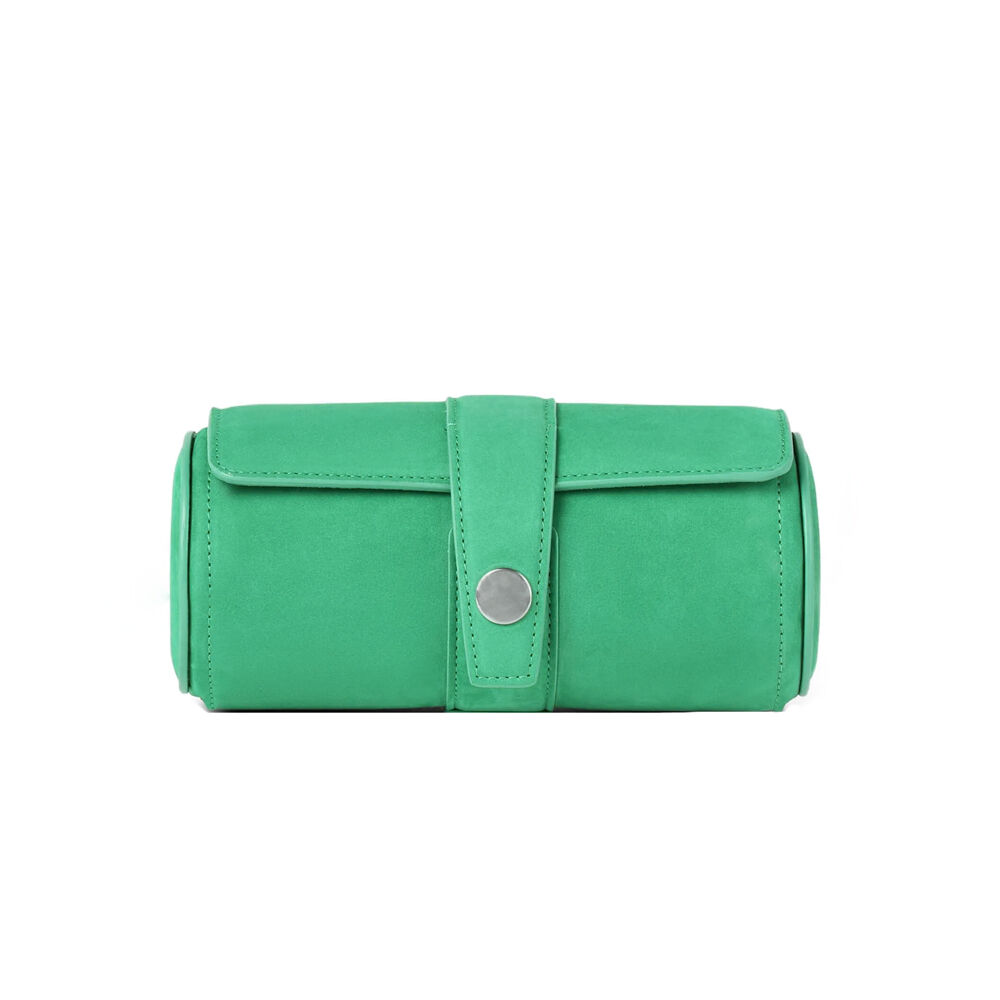
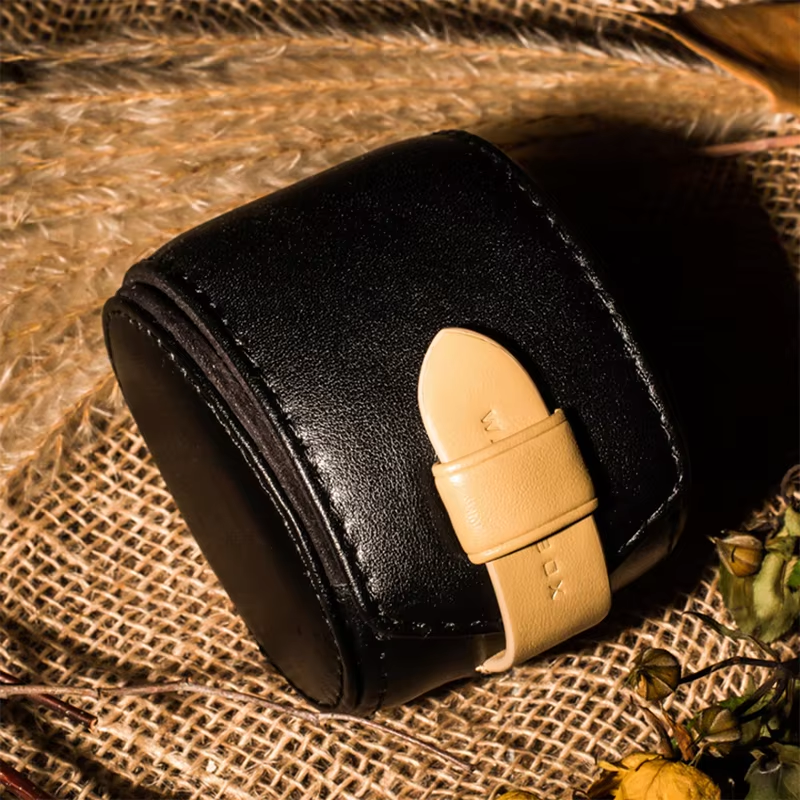
Leather watch boxes serve as special containers for keeping, arranging, and showing off those precious timepieces we collect. What these boxes really do best is keep our watches safe from all sorts of problems like dust getting in, accidental scratches, dampness, and harmful UV light. This helps maintain how well they work inside plus keeps them looking beautiful over time. Most good quality boxes have a solid core made from wood or something similar wrapped up in nice leather. Inside? Soft stuff like velvet or suede lines everything so nothing gets damaged when stored. There are usually little padded spots where each watch sits just right, sometimes even with custom shaped cushions. And then there's the way it closes too - magnetic snaps, zippers, or lids that pop open smoothly make sure whatever is inside stays protected whenever someone wants to take a look at their collection.
Material grades define performance and longevity:
The choice of leather grade affects everything from price tag to how it looks and what kind of upkeep it needs. Full grain leather doesn't need much conditioning initially, though it really shines when given proper attention over time. Bonded leather tells a different story altogether — it needs careful treatment and won't last nearly as long. When looking at structural strength and genuine materials, these aspects go beyond just appearances. They determine whether the piece will stand the test of time around valuable timepieces, making sure the watch remains protected while maintaining its visual appeal through years of wear.
It's best to condition about every three to six months, but don't go overboard with the product. Stick to small amounts of formulas made from natural ingredients like lanolin, jojoba oil, or beeswax. Avoid products with silicones, waxes, or petroleum distillates since these tend to sit on top instead of actually feeding the material. When applying, use fingers to work it in circles until it gets absorbed. Let it soak in for around 15 minutes before giving it a gentle buff with a clean cloth. Many people make the mistake of applying too much conditioner, which leaves surfaces sticky and draws in dust while speeding up deterioration. Studies indicate that folks typically use almost triple what's needed. How often depends on where you live too. Those in arid areas might want to do it once a quarter, while places with stable or humid climates can probably wait six months between treatments.
Good leather care starts with knowing what kind of leather we're dealing with because different types react completely differently when cleaned or conditioned. Take full grain leather for instance. This stuff is pretty tough since it keeps all those natural grains and pores intact. That makes it really breathable but also prone to drying out over time. We don't need to condition this stuff too often actually maybe once every year or so just enough to help develop that nice aged look while keeping the material strong. Then there's top grain leather which gets sanded down smooth on the surface. It handles surface stains better than full grain does but doesn't breathe as well. For these materials, stick to pH neutral cleaners and apply some sort of protective spray about every three months to stop them from cracking up. And let's talk about bonded leather real quick. Made mostly from scraps glued together with synthetics, this stuff falls apart easily when exposed to water or rubbed against rough surfaces. Just wipe it clean with a dry cloth and forget about any kind of conditioning product unless it specifically says it works on rebonded leather somewhere on the label.
| Leather Type | Durability | Care Frequency | Key Precautions |
|---|---|---|---|
| Full-Grain | High | 6–12 months | Avoid abrasive cleaners |
| Top-Grain | Moderate | Quarterly | Prevent over-saturation |
| Bonded | Low | As needed | Never soak; limit liquids |
Visually, full-grain reveals natural variations and subtle scars; top-grain feels uniformly smooth and often has a slight sheen; bonded leather frequently shows synthetic edges or a plasticky texture where cut. Correct identification ensures interventions align with material behavior—not assumptions—preventing avoidable degradation.
Longevity hinges less on periodic care than on consistent environmental stewardship. Uncontrolled humidity, for instance, accelerates leather degradation by up to 60%, per peer-reviewed findings in the Journal of Materials Conservation (2022). Implement these evidence-backed safeguards:
When picking up the box, always grab it with both hands so the weight gets spread out properly. This helps keep stress off those delicate hinges and seams that tend to break down over time. Give the watches a little turn around in their spot inside every now and then, maybe once a month works well. Otherwise those leather straps will leave marks forever on the soft lining material. And please don't just drag the whole thing across tables or floors. Lift it up instead when moving places. Dragging causes scratches on the bottom surface and can really mess up those reinforced corners we put so much effort into making durable.
Leather reacts acutely to three key stressors:
Extended Care Routine
| Practice | Frequency | Purpose |
|---|---|---|
| Deep Conditioning | Quarterly | Replenish natural oils |
| Climate Checks | Monthly | Prevent environmental hazards |
| Structural Inspection | Biannually | Identify early hinge/stitch wear |
When applied consistently, this integrated approach extends functional lifespan by 8–10 years—preserving both utility and heirloom-worthy presence. The goal isn’t perfection, but intelligent, responsive stewardship grounded in material science and real-world use.
 Hot News
2026-03-30
2026-03-26
2026-03-22
2026-03-19
2026-02-27
2026-02-23
TANCY BOX provides premium custom packaging for jewelry, watches, cosmetics, and spirits. With 17 years of expertise and ISO/CE/REACH certifications, we deliver innovative, export-quality solutions for global luxury brands. Request a quote today.
No. 7, High Bridge Middle Road, Longgui Sub-district, Baiyun District, Guangzhou City
Copyright © 2025 by Guangzhou Tancy Industrial Co., Ltd. Privacy Policy
 EN
EN