
 EN
EN
Define Your Brand Differentiation Strategy Through Creative Packaging
Align structural innovation with brand voice and shelf impact
Creative packaging begins when structural choices authentically reflect the brand’s personality. A minimalist, eco-conscious brand might use clean geometric forms and certified recyclable materials, while a luxury skincare line could leverage weighted glass, magnetic closures, and precision-engineered inserts. The physical structure must signal value before the customer reaches for the product—on a crowded shelf, a distinctive silhouette (like a triangular box or modular reusable container) breaks visual inertia and communicates innovation at a glance. This intentional alignment between form and voice builds instant recognition: when the package embodies the brand promise, every interaction reinforces trust and invites deeper engagement.
Integrate core brand identity—color, typography, logo, and whitespace—into every creative packaging element
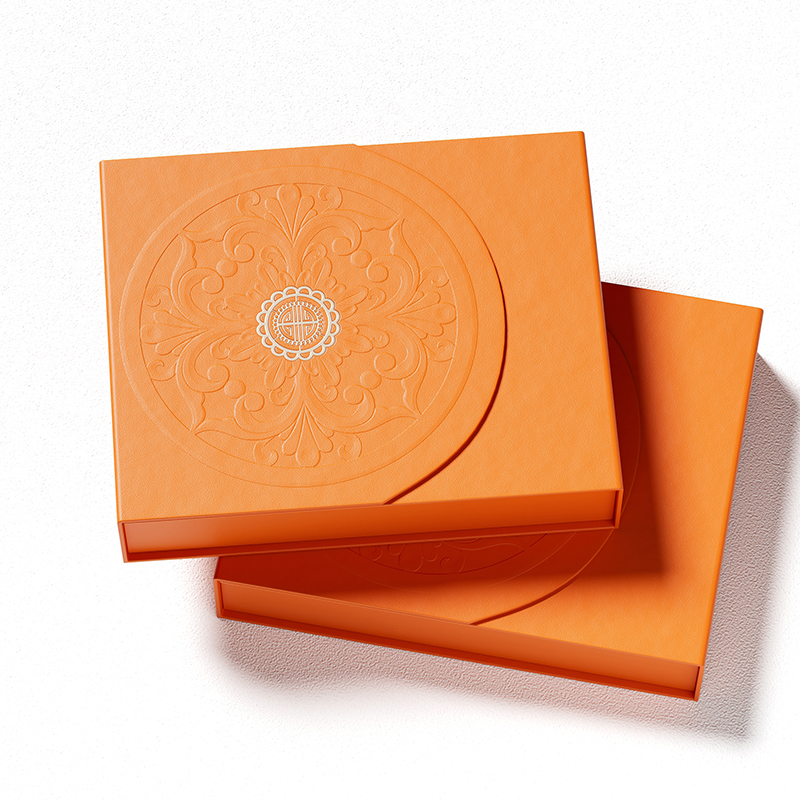
Consistency across visual elements transforms packaging into a silent, high-fidelity brand ambassador. Color should align with emotional intent—deep blues for reliability, warm oranges for approachability—not arbitrary preference. Typography must remain legible at 3–5 feet while reinforcing tone: serif for heritage and craftsmanship, sans-serif for clarity and modernity. Logo placement balances prominence and restraint; intentional whitespace acts as visual breathing room, directing attention to key messages rather than competing elements. Even subtle details—foil stamping, embossing depth, matte vs. soft-touch lamination—must serve the unified system. This integration ensures creative packaging doesn’t just stand out—it tells a coherent, memorable story that strengthens recall and cultivates long-term trust.
Design the Unboxing Experience as a Shareable Marketing Moment
Engineer tactile, sequential, and emotionally engaging interactions in creative packaging
A purposefully designed unboxing experience converts transactional delivery into an emotionally resonant, shareable moment. Engagement starts at first touch: premium substrates with satisfying weight and texture—think FSC-certified rigid board with soft-touch coating or textured kraft—establish quality before opening. Then, layer the reveal deliberately: outer sleeve, inner tray, protective insert, and final product presentation should unfold like a narrative, building anticipation and presence. Research from McKinsey & Company confirms that 40% of consumers are more likely to photograph and share packaging they find sensorially compelling—making tactile design a direct lever for organic reach. When each interaction is engineered for emotional resonance, the package becomes a catalyst for delight—and for earned media.
Embed storytelling cues and social triggers (e.g., QR-activated content, Instagrammable reveals)
The strongest unboxing moments invite participation—not just observation. Embed a scannable QR code on the interior flap that links to a short film about ingredient sourcing or artisan craftsmanship, turning passive unwrapping into an immersive brand story. Design interiors for photogenic impact: bold color-blocking, compartmentalized layouts with contrasting linings, or a subtle message revealed only upon full removal of the inner tray. These “Instagrammable” cues lower the barrier to sharing—encouraging authentic, user-generated content without prompting. Brands whose products generate over 50 verified unboxing videos across TikTok and Instagram see average sales lifts of up to 30%, per Shopify’s 2023 Retail Trends Report. With intentional social triggers, creative packaging evolves from a vessel into a self-sustaining marketing channel.
Tailor Creative Packaging to Audience Psychographics and Emotional Triggers
Effective creative packaging moves beyond visual appeal to resonate with the audience’s values, memories, and aspirations. Buyers don’t choose based on features alone—they respond to how a product makes them feel: seen, empowered, grounded, or connected. That means packaging must be rooted in deep psychographic insight—not demographics. A Gen Z audience seeking authenticity may connect strongly with vintage-inspired typography and hand-drawn illustrations, while new parents prioritizing safety and simplicity respond to clean layouts, muted palettes, and reassuring certifications (e.g., USDA BioPreferred or EWG Verified). When packaging reflects cultural identity, shared values, or aspirational self-concept, it fosters belonging—and loyalty. This emotional calibration turns functional packaging into a meaningful extension of the customer’s identity.
Match color psychology, graphic style, and material texture to target demographic values and behaviors
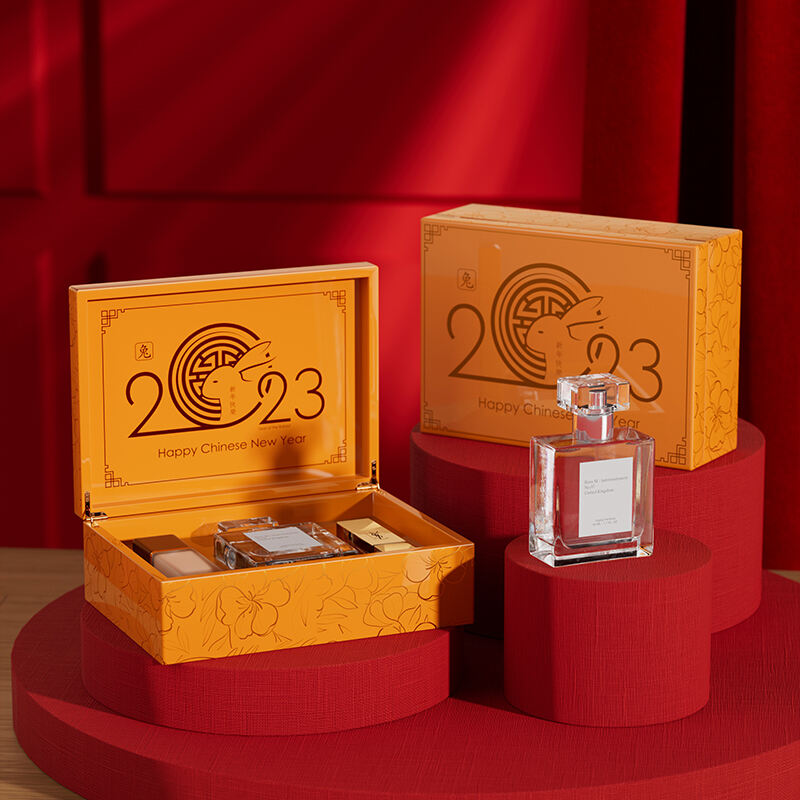
Color, composition, and tactility function as nonverbal shorthand—each cue must reinforce the audience’s core motivations. Red evokes urgency and energy (ideal for limited editions), blue signals trust and competence (common in healthcare or finance-adjacent categories), and sage green conveys sustainability without needing explanatory text. Graphic style follows suit: bold, high-contrast layouts communicate confidence and youthfulness; restrained, asymmetric compositions suggest sophistication and intentionality. Material choice carries equal weight—matte laminates convey quiet luxury; unbleached, fiber-rich paper signals environmental stewardship; rigid, molded pulp suggests durability and care. When these elements are calibrated to audience values—not industry conventions—creative packaging speaks directly to the buyer’s subconscious, accelerating recognition and deepening emotional attachment.
Validate Standout Performance with Data-Driven Creative Packaging Metrics
Measuring creative packaging requires shifting from subjective judgment to objective business impact. Aesthetic appeal matters—but only if it drives measurable outcomes. Brands that treat packaging as a strategic asset track metrics tied directly to customer behavior, operational resilience, and marketing efficiency. Structural integrity is validated through return rates and damage claims; emotional resonance shows up in repeat purchase frequency and Net Promoter Score (NPS) lift post-unboxing; and cultural relevance is confirmed by volume and sentiment of unsolicited social mentions. A disciplined evaluation framework focuses on five core indicators:
| Performance Indicator | Data Collection Method |
|---|---|
| Social media mentions (volume + sentiment) | Social listening tools (e.g., Sprout Social, Brandwatch) |
| Customer feedback scores (unboxing NPS, ease-of-use ratings) | Post-purchase email surveys with embedded rating scales |
| Repeat purchase rates (30- and 90-day cohorts) | CRM and e-commerce analytics (e.g., Shopify, Klaviyo) |
| Return rates linked to packaging issues (e.g., damaged goods, poor protection) | Returns dashboard with root-cause tagging |
| Cost per unit (including material, print, assembly, and fulfillment labor) | ERP-integrated cost accounting (e.g., NetSuite, SAP) |
By closing the loop between design decisions and these KPIs, brands transform packaging from a cost center into a performance engine—continuously refined through evidence, not intuition.