
 EN
EN
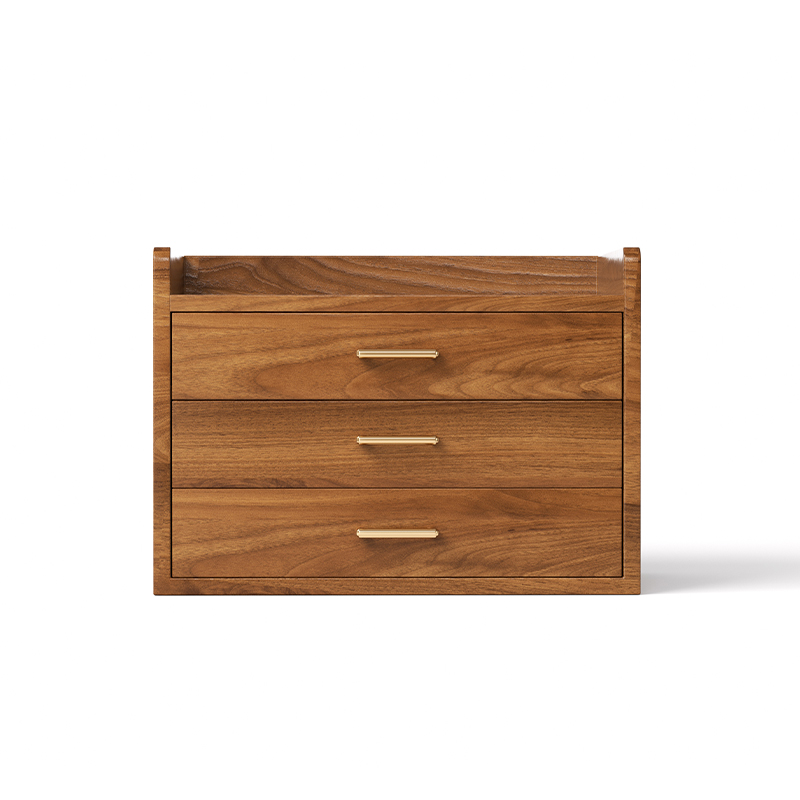
Superior Environmental Protection: How Wood Naturally Regulates Humidity for Jewelry Preservation
Wood's Hygroscopic Nature: Preventing Tarnish in Silver and Oxidation in Base Metals
Wood has this amazing ability to control humidity all on its own. When the air gets too damp above about 50%, it pulls moisture right out of the atmosphere. And when things get dry below 40%, the wood releases what it stored back into the air. This natural balancing act keeps things around 45 to 50% relative humidity, which research shows can cut down silver tarnishing by roughly two thirds and stop copper and nickel alloys from oxidizing almost three quarters of the time compared to places where humidity isn't controlled at all. What makes wood so special? Well, unlike plastics or other manmade stuff, real hardwoods like walnut and oak have these tiny little channels in their cell structure that act like shock absorbers for sudden changes in humidity. These channels help protect delicate stones such as opals and pearls from cracking due to drying out too fast.
Evidence-Based Comparison: 24-Month Study on Tarnish Rates (Wooden vs. Metal & Velvet Boxes)
A 2023 industry analysis tracked 500+ jewelry items across three storage types over 24 months, revealing wood's consistent protective advantage:
| Material | Avg. Humidity Fluctuation | Silver Tarnish Rate | Base Metal Corrosion |
|---|---|---|---|
| Solid Wood | ±5% | 0.8% per year | 1.2% per year |
| Metal Alloy | ±25% | 4.3% per year | 7.1% per year |
| Velvet-Lined | ±18% | 3.1% per year | 5.6% per year |
Metal containers promote corrosion via condensation pooling, while velvet linings trap airborne pollutants—including sulfur compounds—that accelerate alloy degradation. These findings affirm solid wood as the most effective passive preservation medium for fine jewelry.
Long-Term Durability and Heirloom Appeal: Why Jewelry Box Wooden Constructions Age with Purpose
Structural Resilience: Resistance to Fatigue vs. Metal Corrosion and Velvet Fiber Breakdown
Hardwood jewelry boxes made from solid timber stand up better to everyday use because of how the wood grains lock together naturally. They handle knocks and regular handling much better than metals that tend to dent easily or velvets that compress when pressed against for long periods. Woods like oak, mahogany, and walnut stay stable dimensionally even after many years sitting on dresser tops. This means compartments don't shift out of place and hinges keep working properly without sudden failures. Metals left unprotected will start rusting at spots where they bend most often. Velvet linings simply can't take repeated contact without losing their shape eventually. After time, these materials begin to sag, shed tiny fibers, and just generally fail to protect precious items stored inside as intended.
The Patina Advantage: Enhancing Emotional Connection and Resale Value Over Decades
Wood gets this special look over time when people handle it regularly and it sits around in different environments. The way it ages actually makes those wood grains stand out more while still keeping everything functional. This is totally different from how metals get all dull or fabrics fade away. When wood changes color like this, it tells a story about where it's been and who owned it before. A recent survey by the Craftsmanship Council found something interesting about wooden boxes that have developed this aged look. People who own them tend to form much stronger connections with these items, so much so that these boxes end up getting handed down through families about 7 times out of 10. Retailers should take note because there's real money in this too. Old fashioned wood boxes made from certified sustainable forests hold their value surprisingly well. At secondhand shops, they usually fetch between 40 to 60 percent of what they originally cost new. Compare that to old metal containers or fabric storage solutions which basically have no resale value whatsoever once they start showing wear and tear.
Sustainable Craftsmanship and Strategic Brand Alignment
Eco-Advantage: FSC-Certified Wood vs. High-Impact Aluminum and Synthetic Velvet Production
Boxes made from Forest Stewardship Council certified wood actually help the environment quite a bit. Let's look at alternatives for a moment. Making aluminum takes around 211 kWh just for one kilogram, plus there's all that nasty runoff from mining operations. And don't forget about those velvet linings inside many jewelry cases these days. They come from petroleum products and when they break down, they release tiny plastic particles into our ecosystems. On the flip side, wood that's been responsibly sourced continues to trap carbon as it grows, which means significantly lower carbon footprints compared to aluminum versions across their entire life cycle. Around 73% less emissions overall. Luxury fashion houses that choose FSC wood show they're serious about sustainability in ways customers can see and trust. People today really care about where things come from and how they impact climate change, so this matters a lot in the marketplace right now.
Artisan Differentiation: Hand-Finishing, Grain Matching, and Premium Perception for B2B Clients
Skilled woodworkers create truly special jewelry boxes by doing things no machine can match. They spend hours hand sanding every surface, carefully matching wood grains so they flow together naturally, and building joints that fit so perfectly they feel like they were meant to be there all along. What makes these boxes stand out is how the wood patterns work together visually, plus those smooth finishes that just feel right when touched. These aren't just containers anymore but pieces people want to keep forever because of the quality behind them. For jewelry stores and upscale shops, this kind of craftsmanship tells customers exactly what kind of business they're dealing with. The packaging itself becomes part of the store experience. Retailers have noticed something interesting too. Boxes made this way sell for about 23 percent more wholesale price. Makes sense really, since buyers know these will last longer, look better over time, and carry that extra bit of care put into each detail.