
 EN
EN
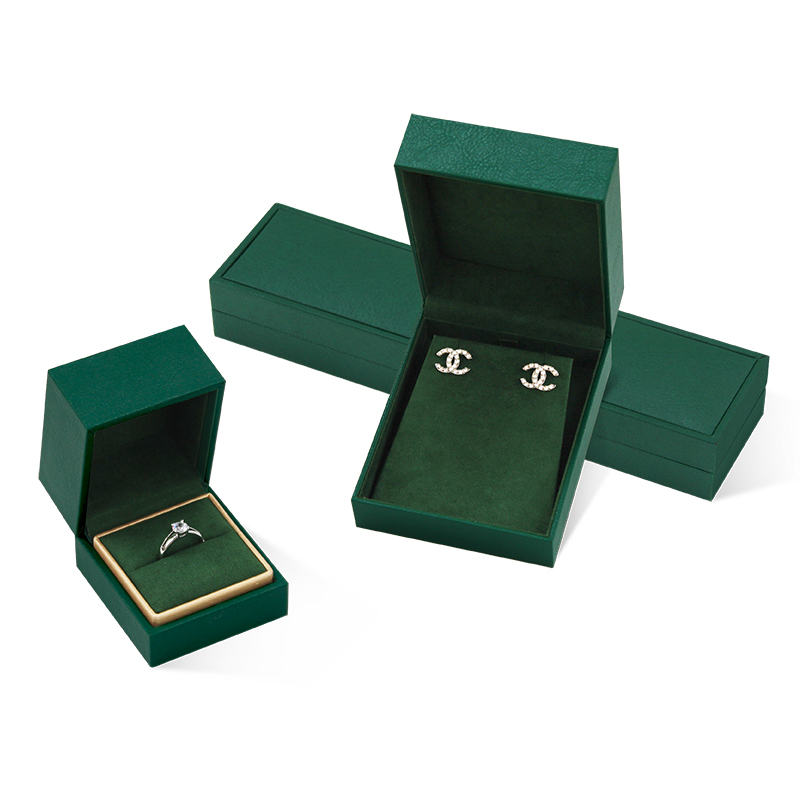
What Are Jewelry Boxes for Sale? Key Types and Core Functions
Jewelry boxes for sale are purpose-built storage solutions engineered to organize, protect, and elevate the presentation of fine and fashion jewelry. Their structural design directly influences functionality—helping buyers select the right format for usage frequency, collection size, and value level.
Flip-top, drawer-style, and pouch boxes: Structural differences and protection levels
Flip top boxes give fast access to one compartment at a time, which works great for things worn every day such as rings and earrings. When it comes to drawers, they're designed with layers and sections that help organize bigger collections or when someone has several pieces from the same set. Pouches are good if we need something portable since they're made of soft materials, though they don't protect jewelry very well from bumps and knocks. Real protection matters a lot too, especially when trying to prevent chips, scratches, or losing those precious stones. That's why boxes made of solid stuff like wood, thick cardboard, or molded plastic really count. Take ring rolls inside flip top boxes for example these cut down on rubbing damage by about sixty percent over just tossing them around loose, so the shine stays put and settings hold tight without getting damaged.
Primary functions beyond storage: Brand presentation, unboxing experience, and product security
Jewelry boxes today act as quiet representatives of their brands. What matters most isn't just what's inside but how the box feels when someone opens it. High quality materials matter a lot here. Think about those smooth matte surfaces or subtle debossed logos that catch the eye. Inside, soft velvet or supple suede lining creates that special touch before anyone even sees the actual jewelry. Some studies indicate that when customers get a really nice unboxing experience, they tend to value the product around 78% higher if they're shopping for luxury items. Practical considerations count too. Magnetic closures stop things from falling out accidentally when people handle the box. Lockable sections provide extra protection against theft for expensive stock. And don't forget about moisture resistant linings which can actually keep jewelry looking good for about three years longer by stopping tarnish and oxidation problems, especially important for silver items and those with plating.
Material and Construction Trade-Offs for Cost-Effective Jewelry Boxes for Sale
PU leather vs. rigid cardboard vs. solid wood: Balancing durability, unit cost, and perceived value
What materials we choose really affects how much something costs and what people think about it. Take PU leather for instance. It looks pretty fancy but doesn't break the bank either, usually costing between $1.20 to $3.50 per unit. That makes it great for companies wanting their products to seem upscale without charging those luxury prices. Then there's rigid cardboard which is super affordable at around $.30 to $.80 per unit. Works well enough for protecting lighter stuff that won't get damaged easily. Brands often jazz it up with foil stamping or spot UV coating to give it that extra visual pop. Solid wood tells a different story altogether though. The craftsmanship feels like something that could be passed down through generations, but boy does it come with a price tag. We're talking anywhere from 3 to 5 times more expensive than other options. Most businesses can only justify spending this kind of money on special limited edition items or custom gifts where the material itself becomes part of the product's story.
| Material | Avg. Cost/Unit | Perceived Value | Ideal Use Case |
|---|---|---|---|
| PU Leather | $1.20–$3.50 | Premium | Mid-tier collections |
| Rigid Cardboard | $0.30–$0.80 | Moderate | High-volume retail |
| Solid Wood | $4.00–$12.00 | Luxury | Heirloom/designer pieces |
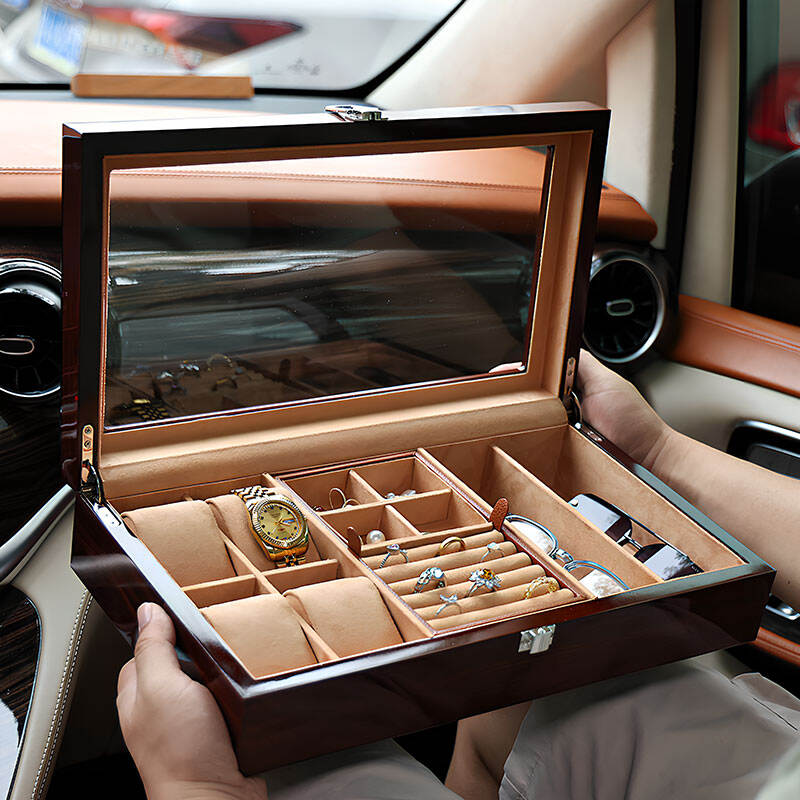
When low-cost polymers outperform mid-tier options: Moisture resistance and shelf-life insights
When it comes to places where performance really matters like coastal areas, humid zones, or products that need to travel long distances through distribution chains, engineered polymers tend to beat out traditional materials when looking at both price and how they actually perform. Take polypropylene boxes for instance these things keep around 98% protection against humidity while costing about 30% less than those fancy laminated cardboard options many companies still use. The reason? These polymer boxes don't absorb moisture because their surface is basically non porous. That means silver components inside won't oxidize as quickly, same goes for other metals too. Wood products tell another story entirely. Untreated wood has this habit of letting out tannins or holding onto ambient moisture, which isn't great for product preservation. Polymer alternatives can make a big difference here, extending shelf life anywhere from 18 to 24 months longer. For grocery stores and other retailers dealing with goods in moist environments, this means fewer customer complaints about damaged items, less waste in storage rooms, and ultimately better returns on investment over time.
Functional Features That Deliver Real Value in Jewelry Boxes for Sale
Compartment design, anti-tarnish lining, and secure closures as ROI multipliers
Thoughtful functional engineering transforms packaging from disposable container to strategic asset. Three features consistently deliver measurable returns:
- Modular, segmented compartments cut tangling incidents by 70%, reducing returns linked to bent prongs, broken chains, or scratched surfaces—especially valuable for e-commerce fulfillment where items travel unattended.
- Anti-tarnish linings infused with activated carbon inhibit silver oxidation for 18+ months, eliminating 92% of tarnish-related customer complaints in controlled corrosion studies.
- Magnetic or dual-clasp closures maintain structural integrity under drop-test conditions—cutting replacement costs by up to 40% versus friction-fit lids that pop open during transit.
Retailers integrating these features report 31% higher repurchase intent, as customers intuitively associate precision engineering with product quality. The $0.20–$0.80 per-unit investment pays back through lower damage rates, stronger brand equity, and improved lifetime customer value.
Matching Jewelry Boxes for Sale to Your Use Case: Retail, E-Commerce, and Gifting
Picking out the perfect jewelry box really depends on where it ends up being used. For store displays, we need something tough enough to handle constant touching but still looks great on the shelves. Boxes made from sturdy cardboard with those shiny or smooth finishes work well because they can take abuse without looking worn down, plus they help maintain that luxury brand image when customers are browsing. Online orders tell a different story though. These packages need to survive packing mishaps and long journeys across country. Lightweight plastic materials paired with clever drawer arrangements make sense here since they cut down on shipping costs and protect against breakage during transit. When it comes to gifts, people want boxes that feel special. Adding personalized touches such as name embossing, pretty ribbons, or holiday themed inserts creates stronger connections with recipients who then tend to share their purchases online. No matter what route the product takes, getting the basics right remains essential. Retail stores benefit from anti-tarnish linings inside expensive stock, while companies selling directly should invest in seals that show if someone has opened the package before. And let's not forget about organization too – nice compartments make all the difference when putting together carefully selected gift collections. Getting these details sorted helps packaging actually support business objectives instead of working against them.