
 EN
EN
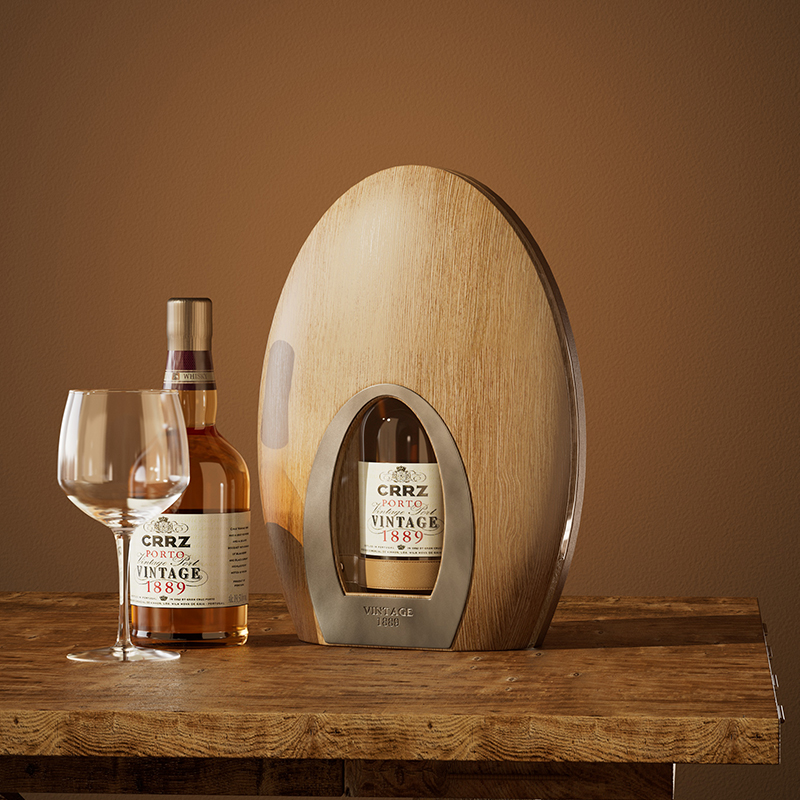
What Is a Wood Wine Box? Core Definition and Functional Roles
Beyond Aesthetic Packaging: The Structural and Protective Identity of a Wood Wine Box
Wooden wine boxes offer much more than just looks they actually serve as serious protective gear for precious bottles. The solid wood build really does keep those glass containers safe from bumps and bruises, shield them from harmful UV rays, and protect against temperature swings that can ruin wine over time. These environmental factors are big troublemakers when it comes to wine aging, causing oxidation issues that nobody wants in their vintage collection. Compared to flimsy cardboard boxes or plastic containers, wooden cases have this amazing ability to insulate naturally. Some tests show wood keeps things at a stable temperature about 40 percent better while traveling through different weather conditions. No wonder so many premium wineries stick with wooden packaging when sending out their top shelf wines worth hundreds or even thousands per bottle.
Dual-Function Design: Elevating Gifting Impact While Supporting Long-Term Wine Storage
Wooden wine boxes do something special they connect right away with consumers while still being useful for years down the road. When someone opens one of these boxes, they get that satisfying feel of real wood against their fingers, plus all those interesting patterns in the grain. People actually pay more attention to what's inside when it comes in wooden packaging according to research which shows around a 30 percent increase in how valuable folks think the product is. And there's another benefit too. The wood itself helps control moisture levels naturally. Oak specifically keeps things at about 60 to 70 percent humidity, which is just right for keeping corks from drying out over time. So wineries can market their bottles as great presents but also as serious additions to any wine collection without having to worry about the box getting in the way of proper storage.
Common Wood Types Used in Premium Wood Wine Boxes
Oak: Benchmark for Durability, Tannin Resistance, and Heritage Appeal
When it comes to high end wooden wine containers, oak still sets the standard across the industry. The wood's dense grain structure helps prevent warping issues, keeps moisture levels stable inside the box, and acts as a buffer against temperature fluctuations that could damage delicate wines during storage. Oak also has natural properties that resist tannins from interacting with what's inside those bottles, something winemakers really appreciate. Plus, there's just something about how oak looks and feels in hand that screams quality craftsmanship and old world traditions. That combination of practical benefits and aesthetic appeal is why most serious wine producers stick with oak when they want both long term preservation and that touch of class that commands attention at tastings and events.
Pine and Paulownia: Sustainable, Lightweight Options for Cost-Sensitive B2B Orders
When it comes to bulk B2B operations, pine and paulownia wood actually work pretty well without compromising on quality standards. These trees grow fast which means there's less strain on forests when they're harvested, plus they have some seriously impressive strength relative to their weight. Speaking specifically about paulownia, companies report saving around 30% on transport expenses when switching from traditional oak materials. The texture of these woods is gentler too, making them much easier to stain or engrave with lasers. This makes mass customization projects go smoother for manufacturers. Plus, most suppliers source these materials through FSC certification programs, so businesses can feel good about meeting their environmental commitments while still getting the job done right.
Luxury Hardwoods - Walnut, Mahogany, Cherry: Signaling Premium Brand Positioning
When it comes to luxury packaging, walnut, mahogany, and cherry wood simply stand out from the crowd. The deep brown tones of walnut wood grab shoppers' eyes right away, while mahogany brings that rich red glow that makes products look expensive on store displays. Cherry wood is something special too. Its warm color reminds people of honey, and gets even better with age, kind of like fine wine maturing in the bottle. Sure, these hardwood options cost around 20 to 40 percent more than regular materials, but many brands find the extra expense worth it. Collectors tend to value them more, customers notice how different they feel when handled, and there's just something memorable about opening a package wrapped in real wood that tells a story all its own.
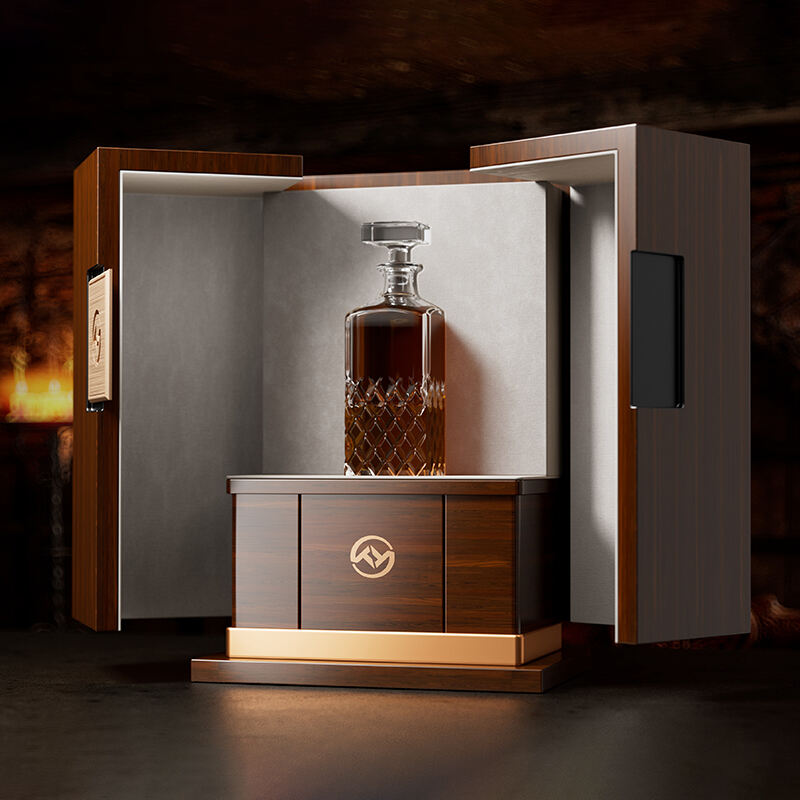
How Wood Selection Impacts Wine Preservation and Storage Performance
Moisture Management and Microclimate Stability: Why Oak Excels in Humidity Regulation
The type of wood used makes all the difference in whether a wine box can maintain good storage conditions over time. Oak stands out because of how it handles moisture. When the air gets damp, oak soaks it up inside those tiny cells within the wood grain. Then when things dry out, it slowly lets that moisture back out again. This creates something like a mini climate control system right inside the box itself. Regular woods without this property just trap moisture instead, which leads to problems like mold growth and dried out corks that let air into the bottle. Plus, oak has another trick up its sleeve too. Because it holds heat better than most other woods, changes in temperature happen more slowly inside an oak box. This means the delicate chemical processes happening in aging wine aren't disrupted as much by sudden temperature swings. For anyone storing expensive vintages or special bottles meant to age for years, oak remains the gold standard among storage options.
Practical Considerations for B2B Buyers Selecting a Wood Wine Box
Business buyers looking to purchase wooden wine boxes in volume need to focus on three main considerations when making their decision. Cost matters first and foremost. Wood options generally run anywhere from 30 to 50 percent higher than cardboard equivalents. The difference isn't just in the materials themselves either. Heavier wood boxes mean higher shipping costs and more complicated storage solutions because they take up so much space. Next up is going green. If companies want to hit those environmental goals without breaking the bank, specifying FSC certified pine or paulownia makes sense. These woods check off sustainability boxes while keeping expenses reasonable. Finally, there's the practical side. Buyers must double check that the inside measurements actually work for regular 750ml bottles from Bordeaux or Burgundy regions, plus make sure there's room for protective inserts. Always ask for real samples before finalizing orders. Test how well the hinges hold up over time, whether the lids close properly, and if the surfaces can handle moisture and wear and tear. For top shelf product releases, consider using walnut or cherry wood for special engraved versions. The deep grain patterns and rich colors create something customers can feel and remember even after they've opened the bottle.