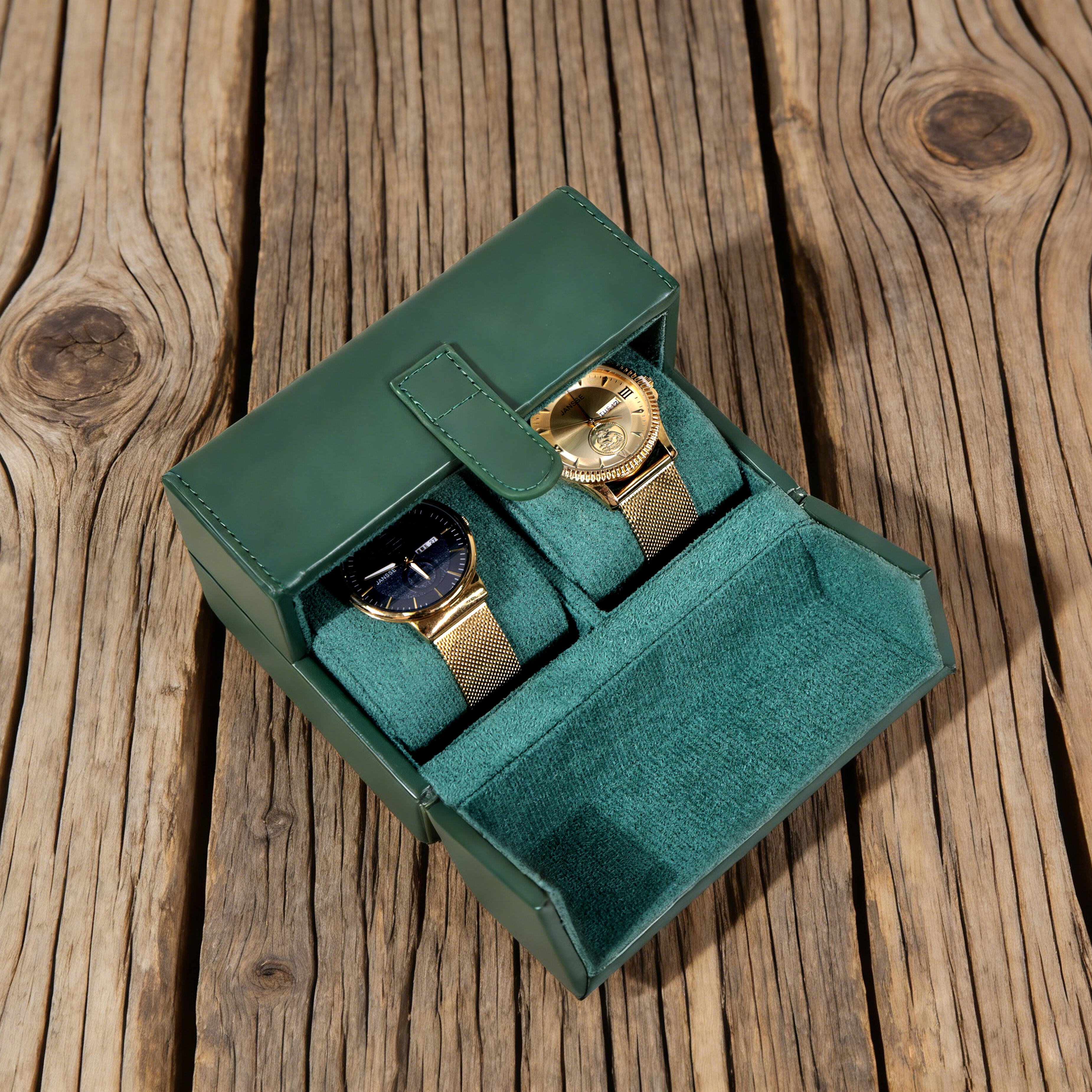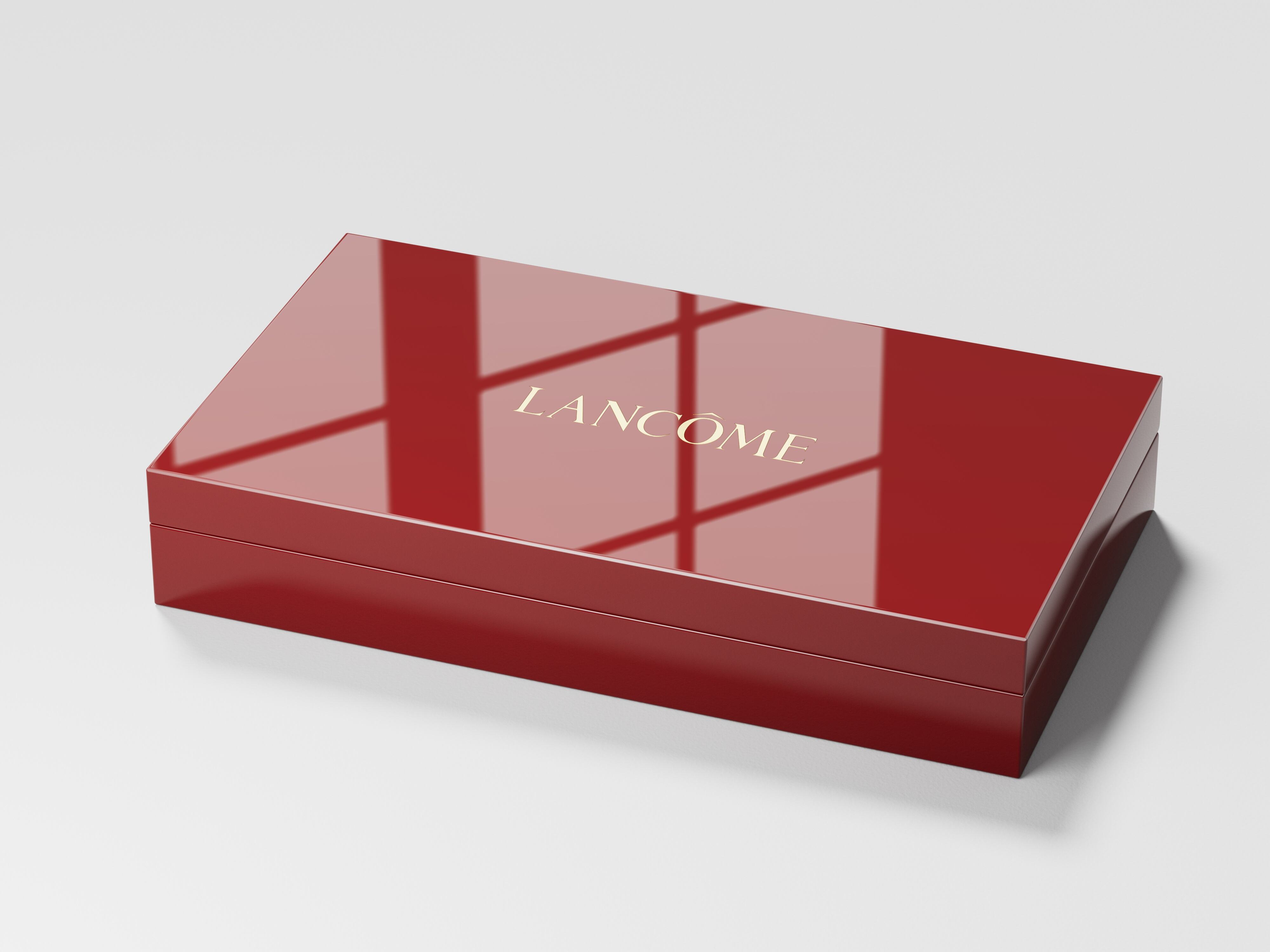
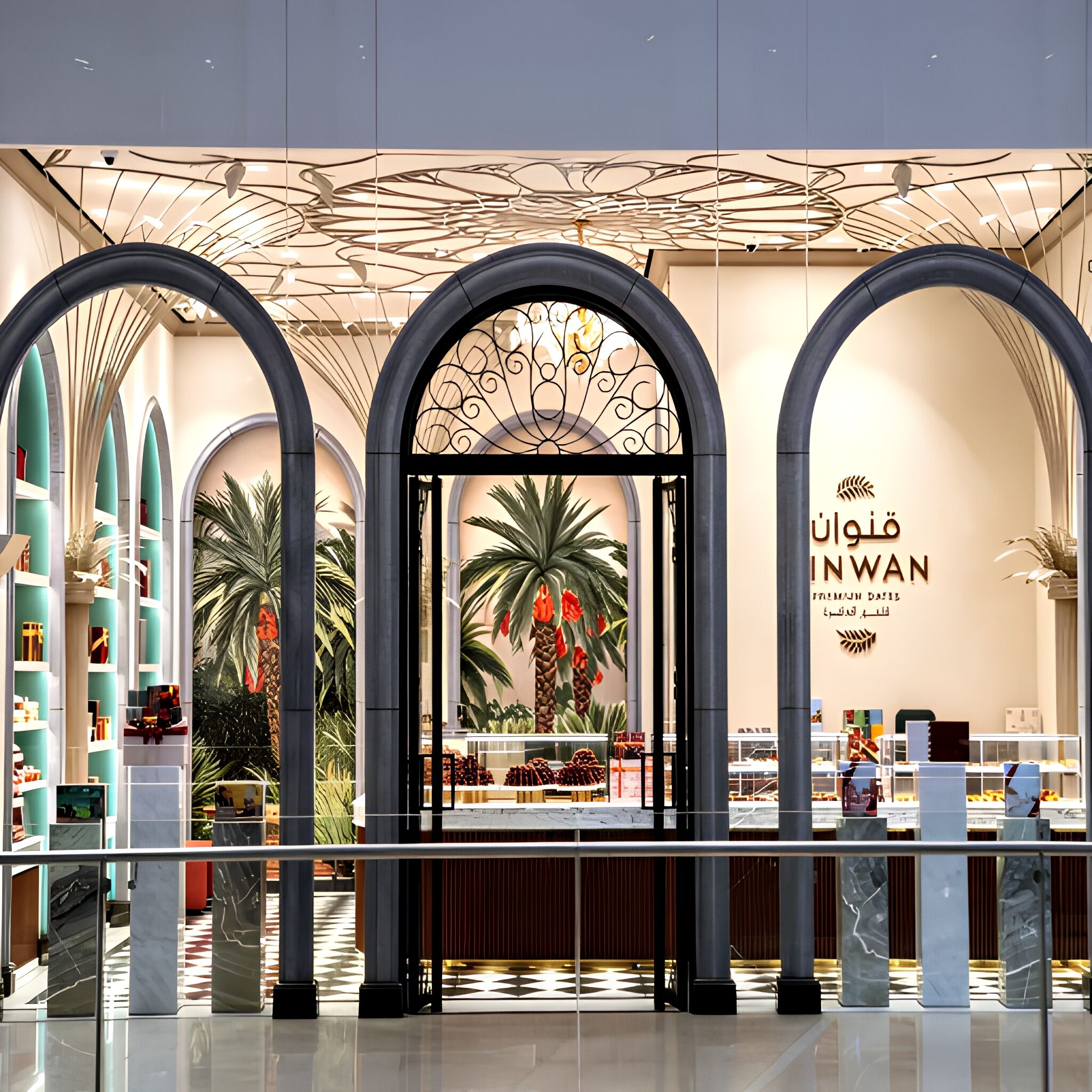
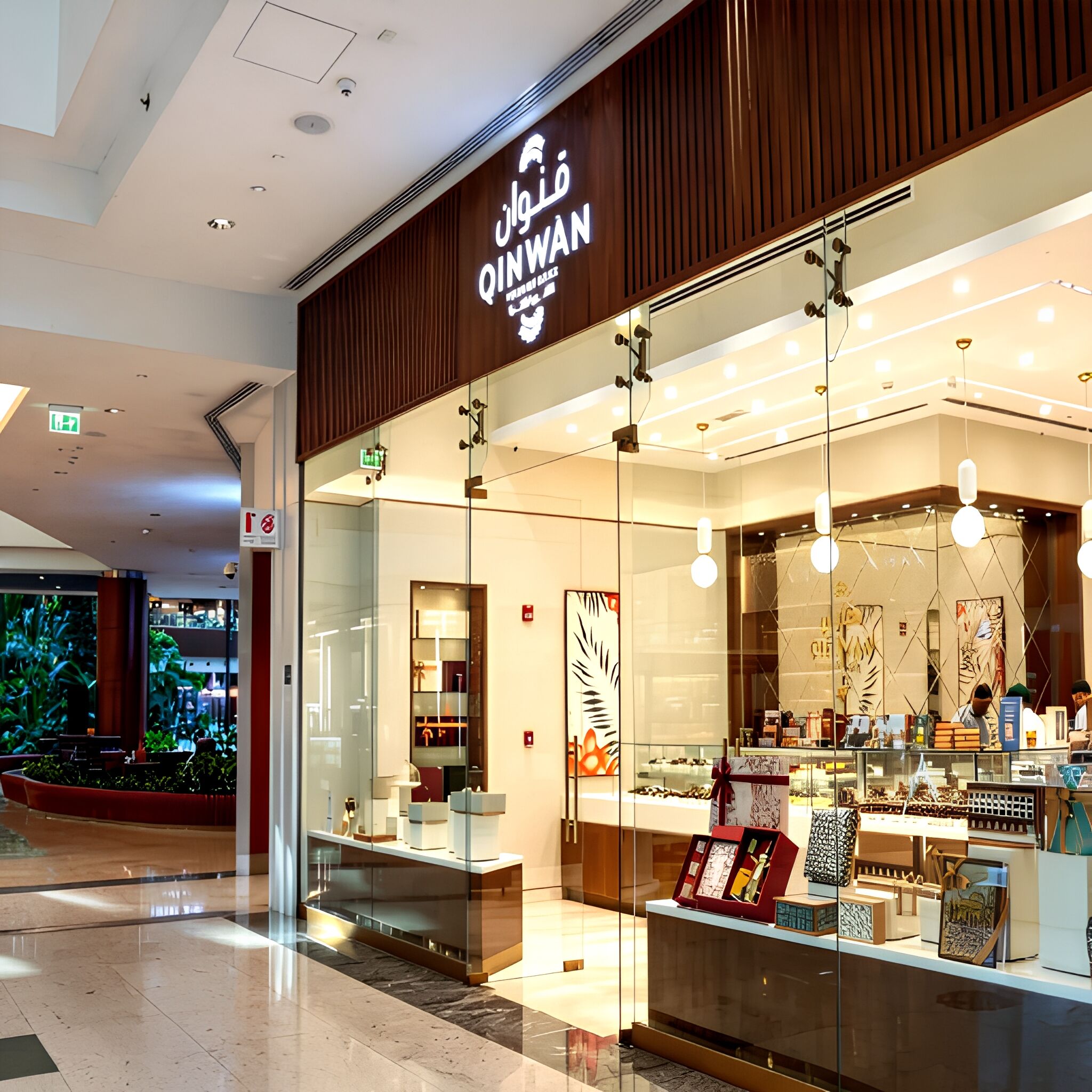
In the ultra-luxury food sector of the Gulf Cooperation Council (GCC) region, packaging has transcended its traditional role as a protective vessel. Today, it serves as a critical strategic asset in brand positioning and consumer psychology. Our multi-year tenure in the bespoke high-end packaging industry has afforded us the opportunity to partner with some of the most prestigious names in the Middle East. Among these, our collaboration with QINWAN—the definitive benchmark for premium dates—stands as a seminal case study in merging material science with cultural semiotics.
When QINWAN approached us for a packaging overhaul, the objective was clear: move beyond "universal" gift boxes and create a solution that addresses the brutal realities of the Middle Eastern retail and logistics lifecycle. We identified four primary pillars of friction:
To bridge these gaps, our R&D team abandoned conventional paper-based designs in favor of a Hybrid Material Architecture.
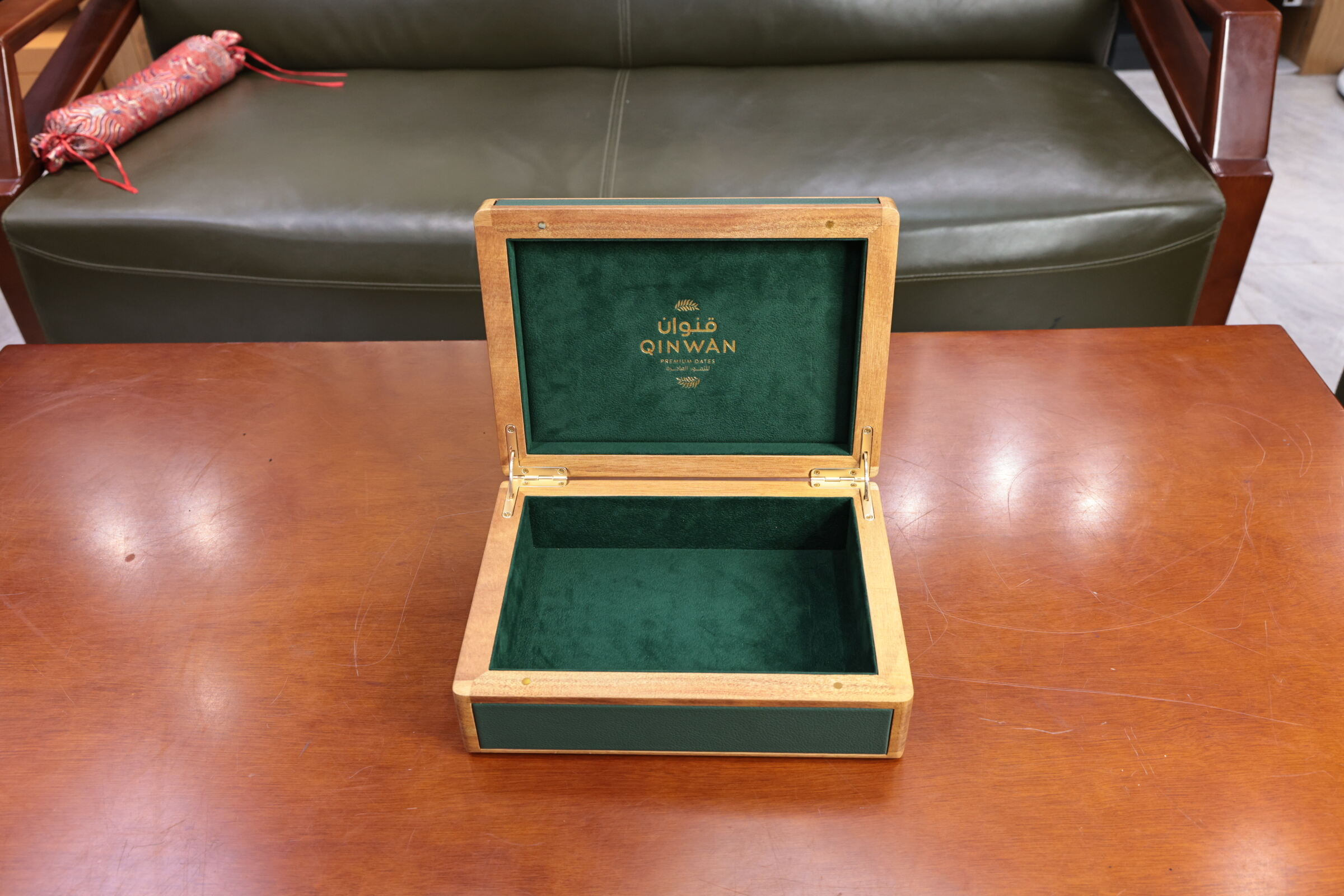
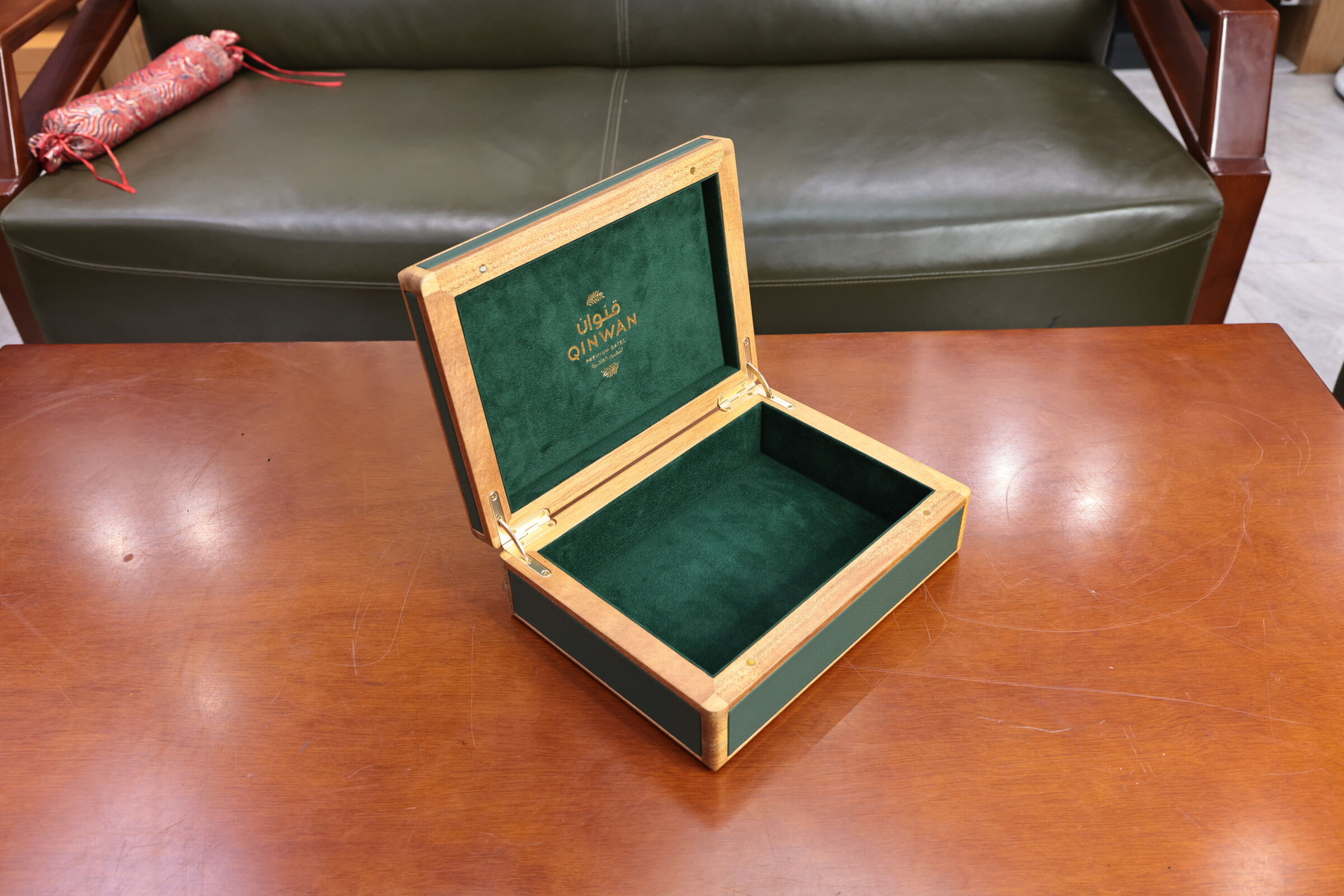
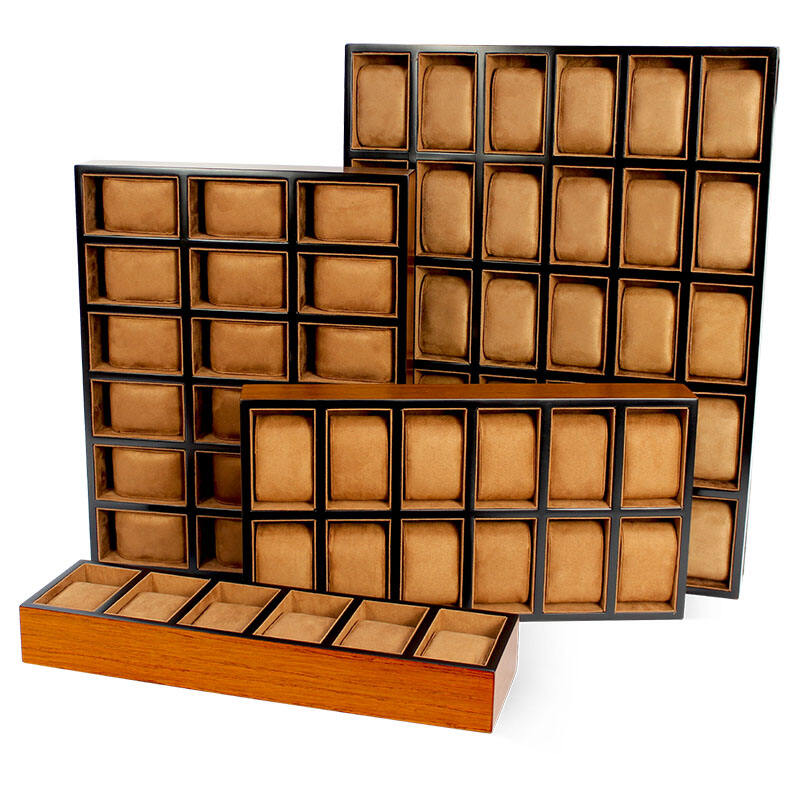
The internal architecture of the QINWAN box is a feat of precision engineering. We utilized CNC-routed modular inserts, tailored to the exact micron of the different date varieties. This "partitioned stability" prevents product migration and eliminates the "crushing effect" during movement.
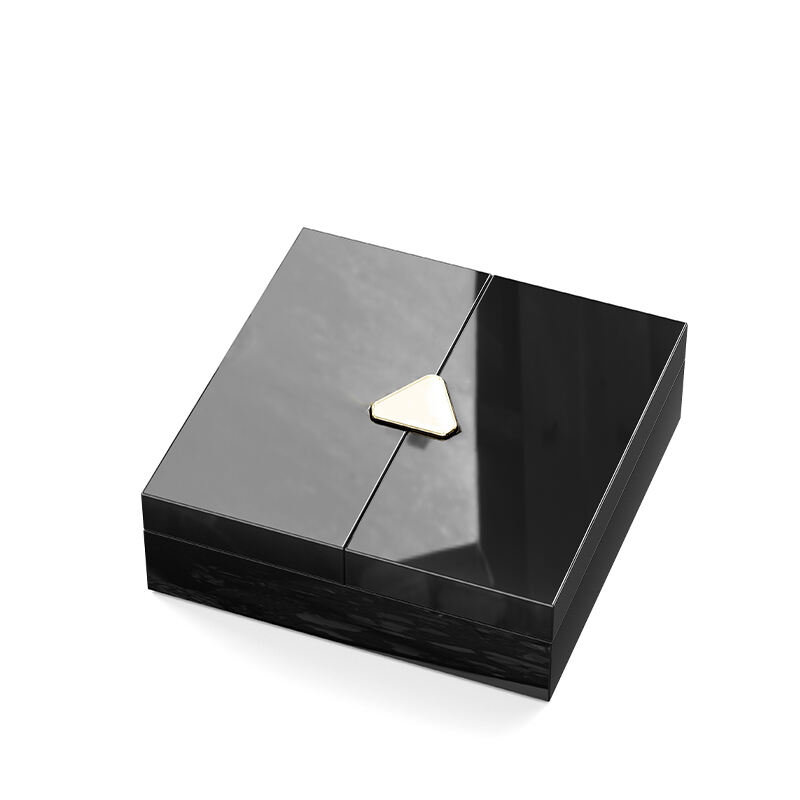
For the lining, we offered dual-tier options: a skin-friendly high-pile velvet and a light-luxury metallic foil-mounted fabric. Both materials are certified for food-grade contact and possess anti-static properties to prevent the accumulation of dust—a common issue in the arid Middle Eastern climate. The inclusion of silent, weighted metal hinges provides a "damped" opening experience, a subtle but vital sensory cue for high-end consumers.
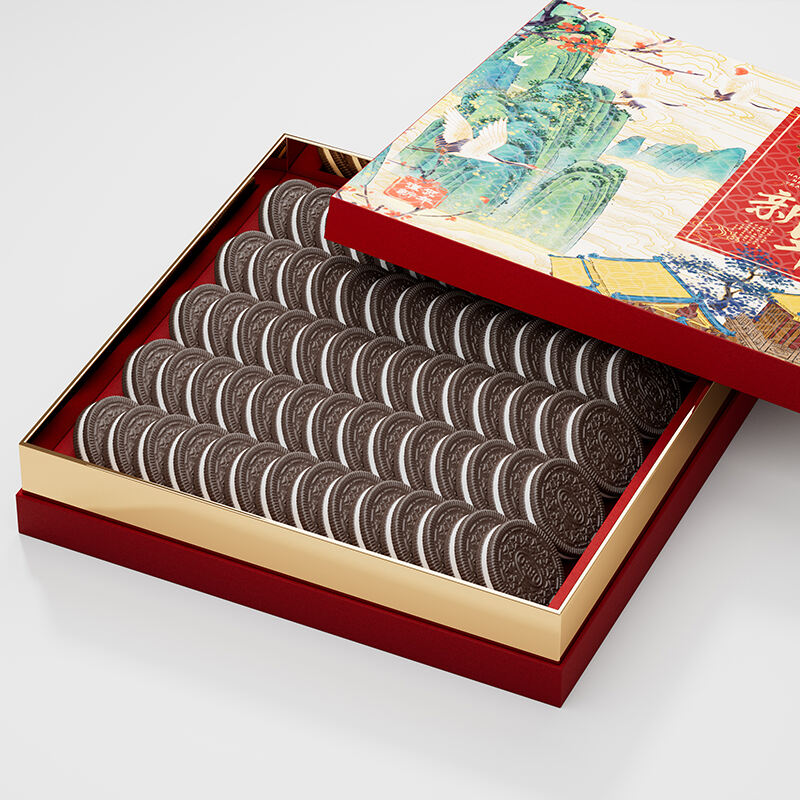
Visual customization involved a deep dive into color psychology. We deployed two distinct palettes:
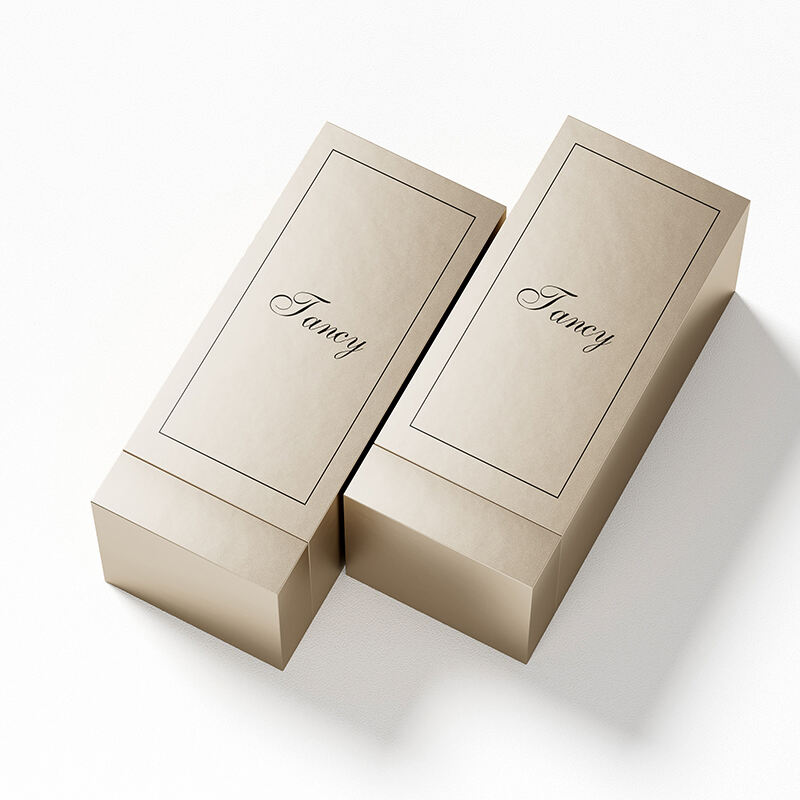
The branding was executed through High-Pressure Deep Debossing and high-adhesion gold foil stamping. Unlike standard printing, this creates a three-dimensional tactile mark that feels "carved" into the product, signaling permanence and authenticity.
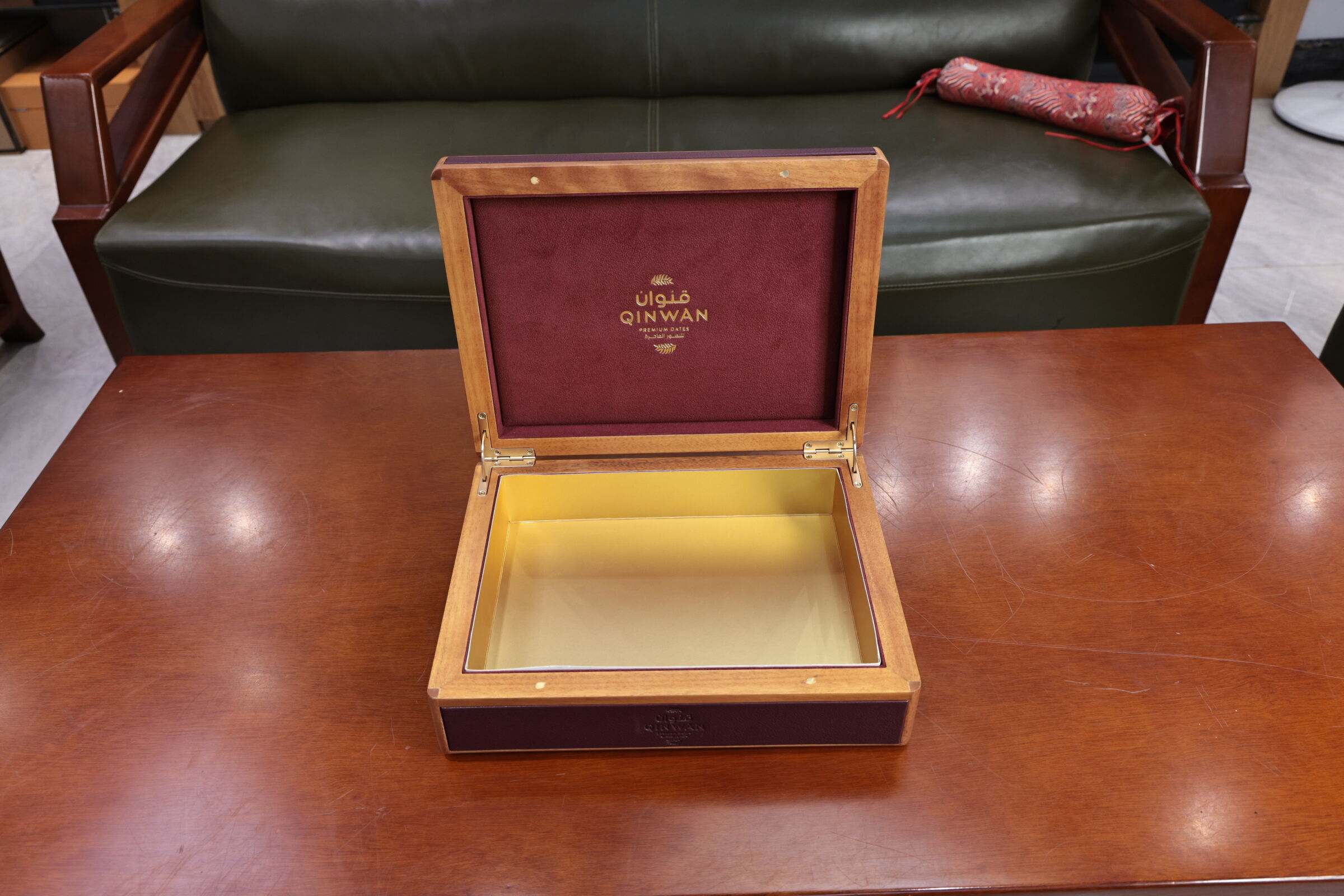
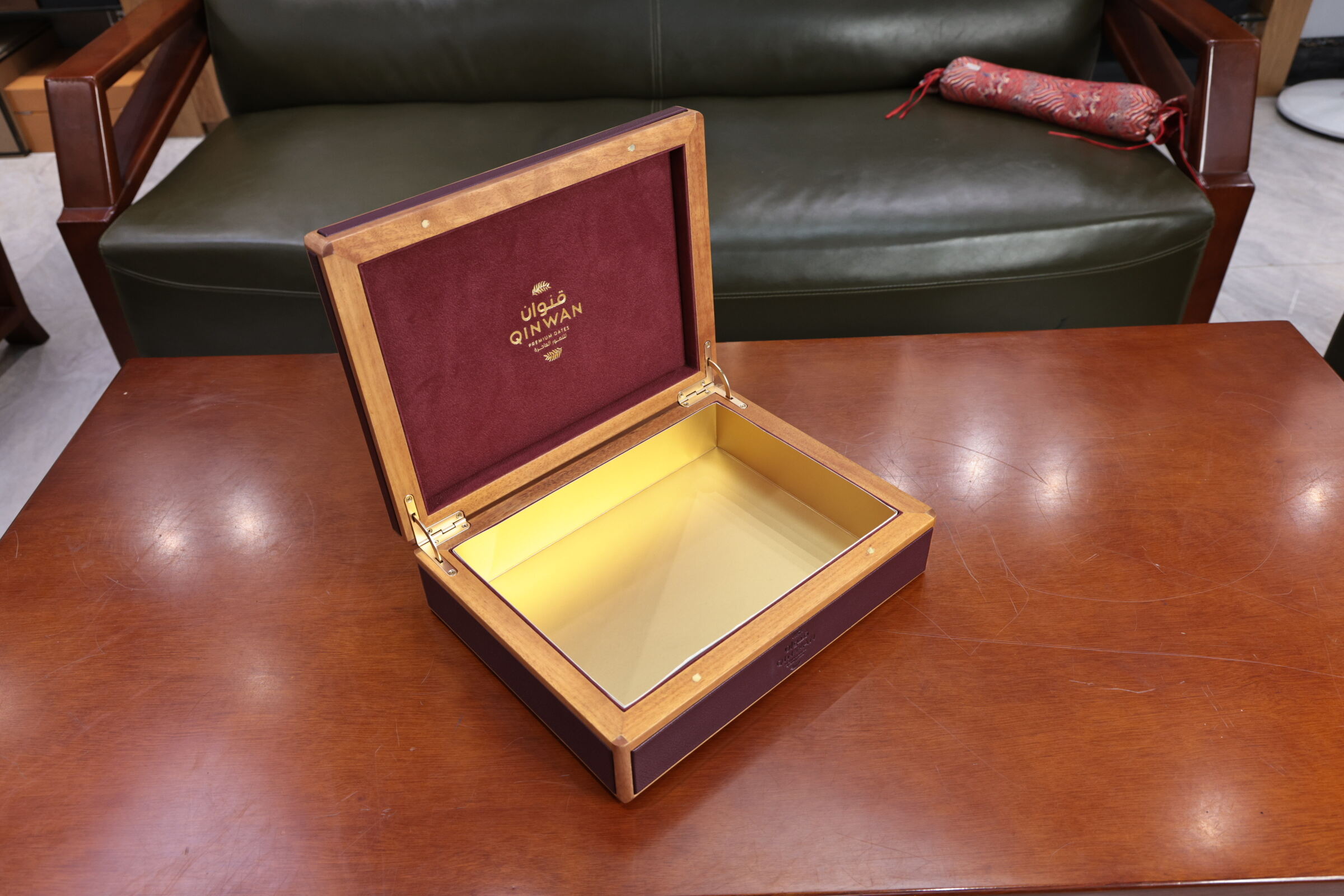
Perhaps the most significant value-add was our Modular Production Model. By standardizing the "Base Module" of the box while allowing for rapid, tool-less adjustments of the internal partitions, we allowed QINWAN to pivot between different product lines (from single-tier samplers to 3kg bulk displays) with zero downtime. This modularity reduced their prototyping costs by approximately 30% and improved their "time-to-market" for festive collections by nearly 45%.
The QINWAN project illustrates that in the B2B high-end food sector, packaging is an investment in risk mitigation and brand longevity. By synthesizing material durability with sophisticated aesthetics and supply chain flexibility, we didn't just deliver a box; we delivered a sustainable competitive advantage. For global brands looking to penetrate or dominate the Middle Eastern market, this "Engineered Luxury" approach is the new industry standard.
TANCY BOX provides premium custom packaging for jewelry, watches, cosmetics, and spirits. With 17 years of expertise and ISO/CE/REACH certifications, we deliver innovative, export-quality solutions for global luxury brands. Request a quote today.
No. 7, High Bridge Middle Road, Longgui Sub-district, Baiyun District, Guangzhou City
Copyright © 2025 by Guangzhou Tancy Industrial Co., Ltd. Privacy Policy
 EN
EN