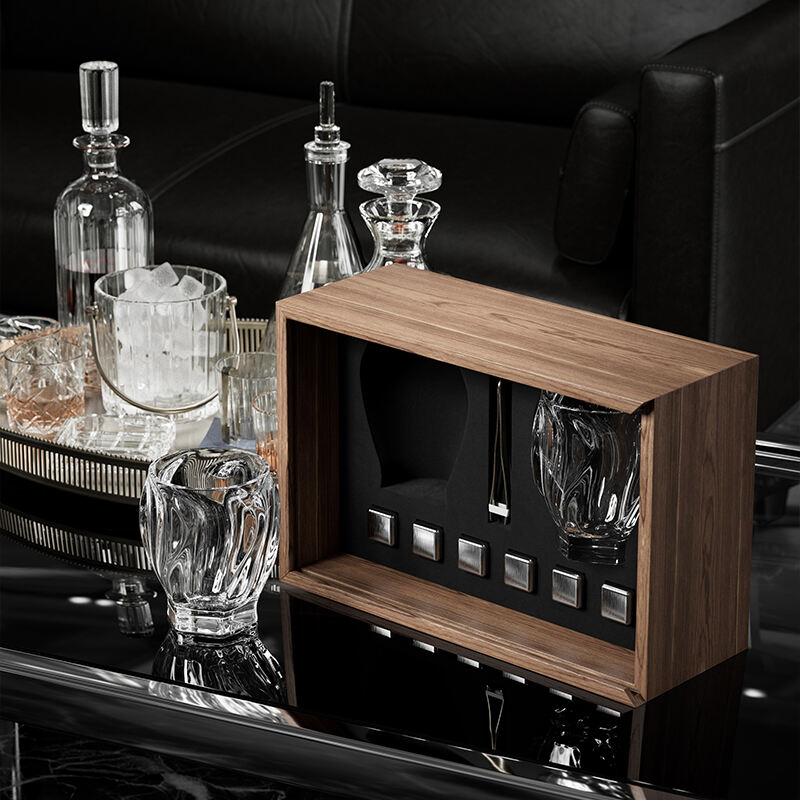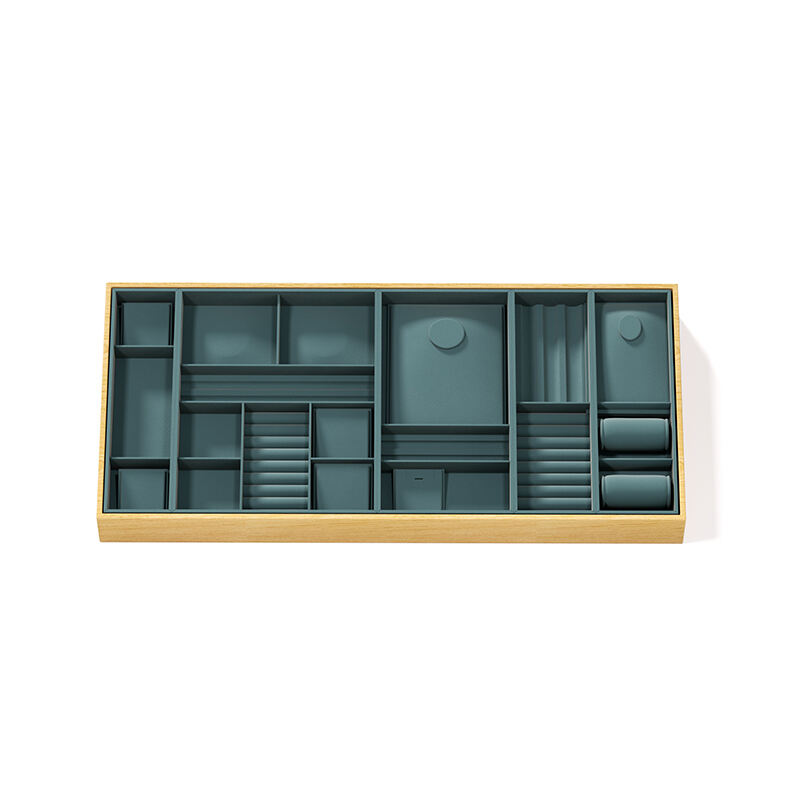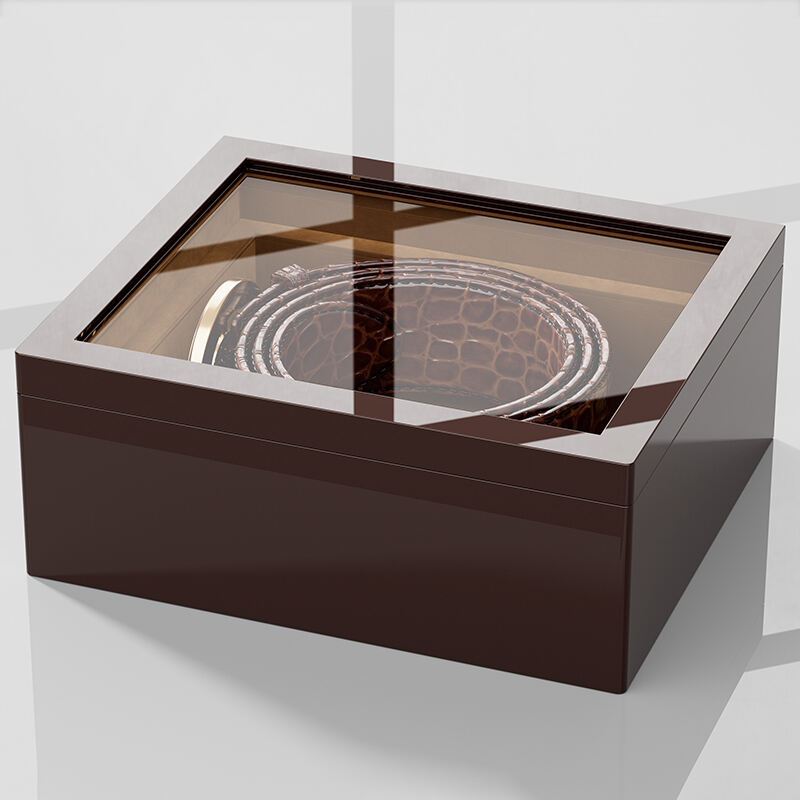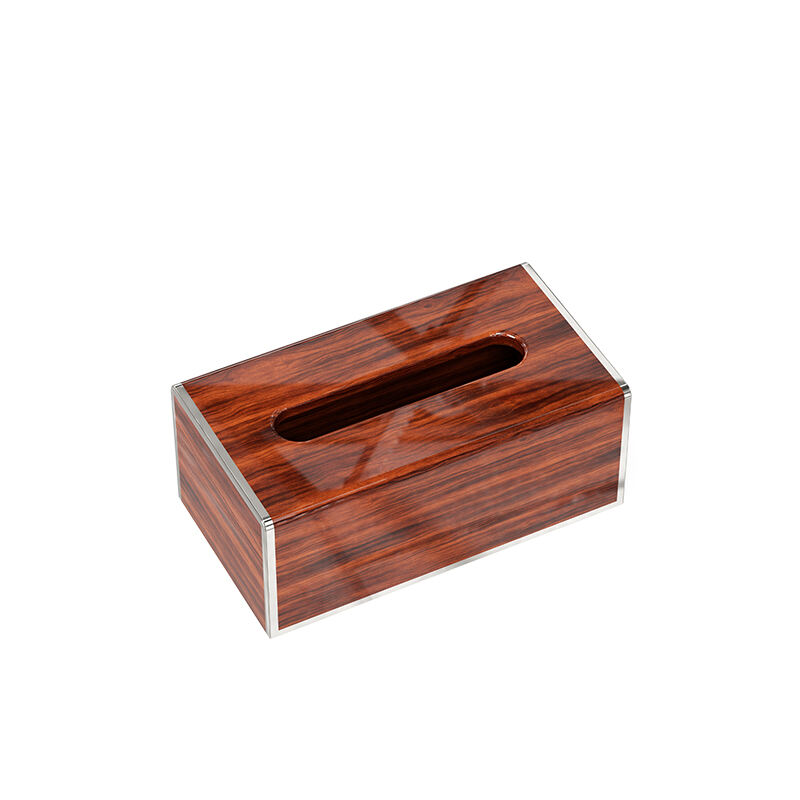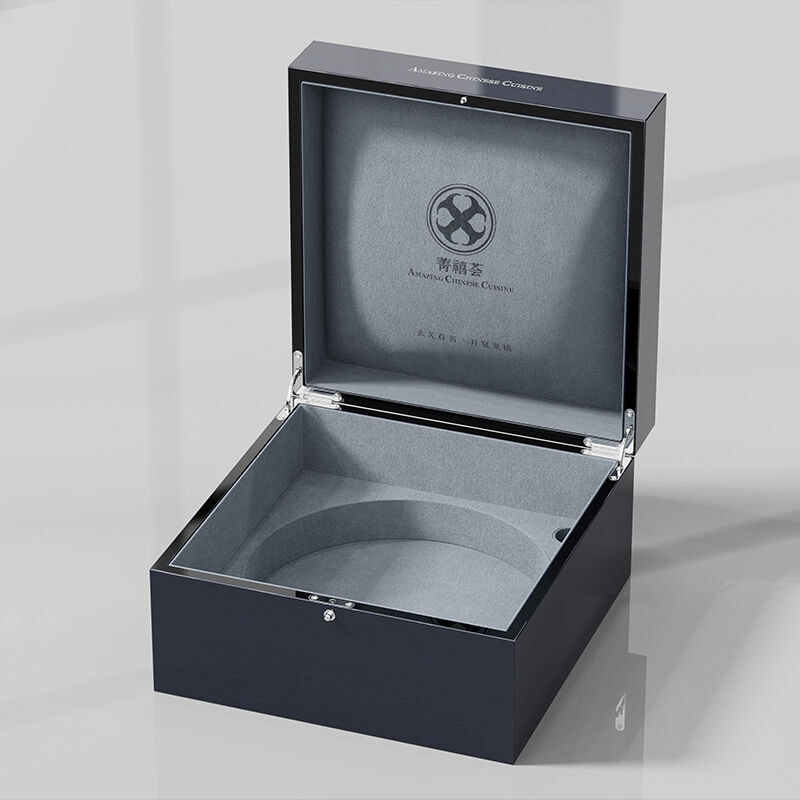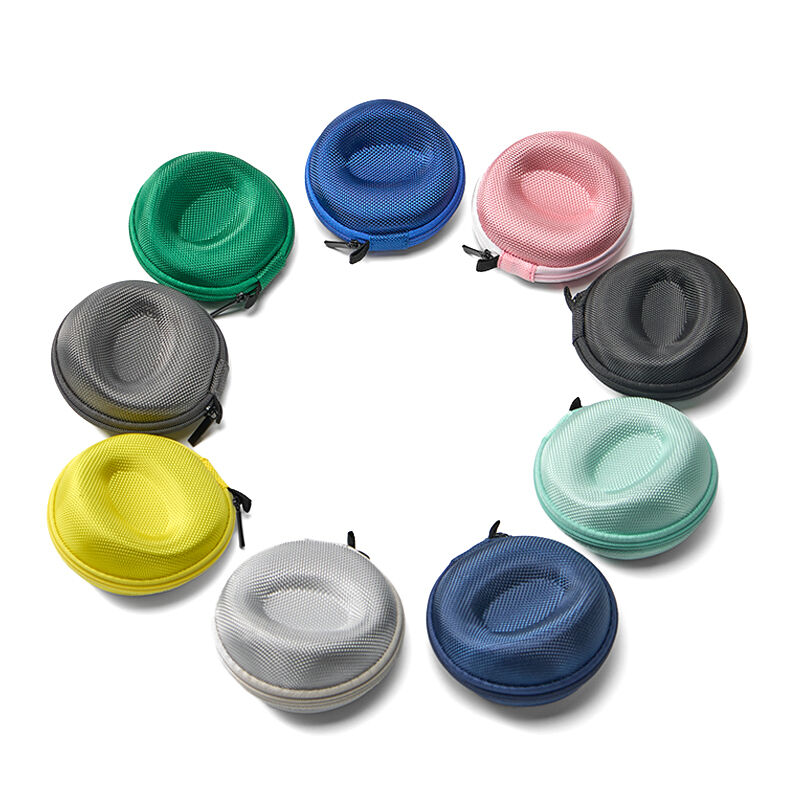
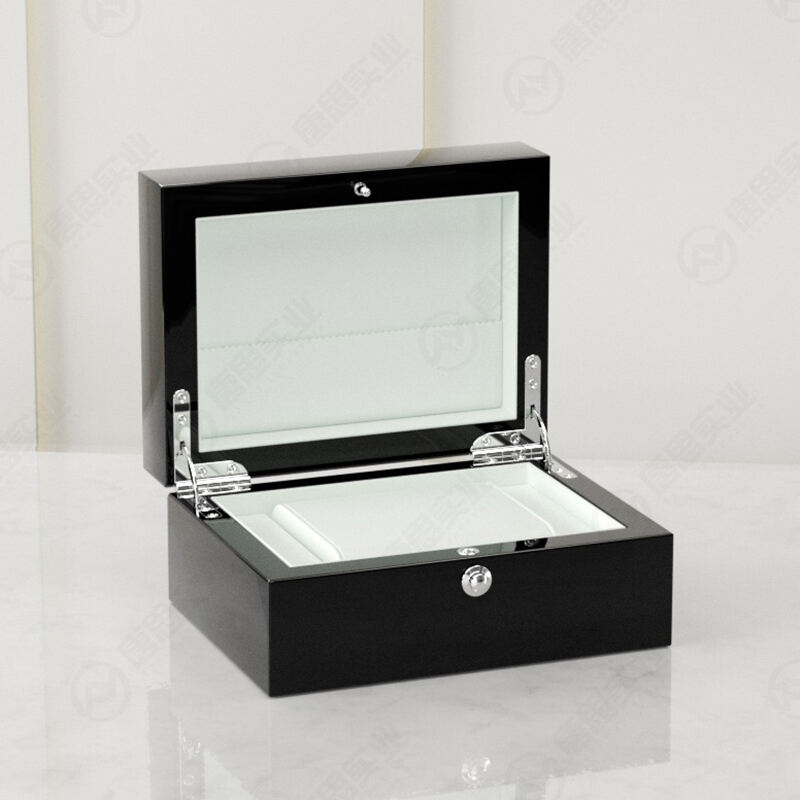
The custom watch box represents that initial physical connection between a brand and what people think about it, conveying certain values long before anyone gets to see the actual watch inside. According to some research from Luxury Institute back in 2023, good packaging can actually account for around 30% of how valuable someone perceives a luxury item to be. That means getting the design right matters quite a bit when trying to appeal to wealthy customers. When companies put thought into their packaging, they tend to create stronger emotional bonds with buyers. Take note that nearly 60% of shoppers link those fancy unboxing moments directly to how high quality they believe the product must be.
These considerations ensure every material and aesthetic choice reinforces your unique value proposition.
Millennial collectors often prioritize eco-conscious materials, while traditional buyers may expect hand-finished wood accents. A $10,000 watch demands packaging with compartmentalized interiors and weightier materials compared to entry-level models. Market leaders achieve 23% higher retention rates by matching box textures and opening mechanisms to their audience’s definition of luxury.
Dominant brands use signature Pantone colors across all packaging, achieving 80% faster visual recognition. Embossed logos placed at the box’s sightline center increase memorability by 40% compared to side placements. Serif fonts convey tradition, while minimalist typography appeals to modernists—each detail deliberately selected to amplify brand recall.
Wooden watch boxes have this classic look about them. Walnut and maple woods each bring their own character through unique grain patterns that show off real craftsmanship work. Leather cases still carry weight as symbols of status. Full grain leather gets better with age, developing those beautiful patinas over time. Many high end brands rely on this storytelling aspect when they highlight their hand stitching techniques. For folks who want something cutting edge, metal options like brushed aluminum are popular among tech savvy customers looking for lasting quality. Meanwhile, there's growing interest in sustainable alternatives such as bioplastic materials or even packaging made from mushrooms which appeals directly to environmentally aware consumers these days.
Entry-tier collections often use recycled cardboard with velvet linings to balance affordability with perceived quality. Mid-range brands might combine FSC-certified woods with subtle metallic accents. For ultra-luxury lines, materials like vegetable-tanned leather or titanium become non-negotiable—their tactile qualities directly mirror premium pricing strategies.
According to a 2024 survey conducted by the Sustainable Packaging Coalition, around three quarters of shoppers these days want their products wrapped in environmentally friendly materials. Companies are getting creative with solutions such as cork composites that actually absorb CO2 during production, synthetic leathers grown in labs instead of coming from animals, and boxes designed so they can be reused later for things like organizing jewelry collections. This shift makes sense when we look at what's happening in high end packaging markets too where roughly 4 out of 10 brands have started focusing on circular material systems that keep waste to a minimum. Take for instance a luxury timepiece container lined with hemp fabric or filled with foam made from algae. Such packaging not only looks better on store shelves but also ticks all the boxes for new green regulations while making customers feel good about supporting sustainable businesses.
The outside of a custom watch box works like an unspoken representative for the brand, telling its story right when someone looks at it for those crucial 3 to 7 seconds before deciding to buy something luxurious. Big name makers know this well, so they put their logos, catchy phrases, and eye-catching pictures on display to make sure people recognize them instantly. Putting the logo dead center rather than tucked away in a corner makes folks remember it about 42% better according to some recent studies from the 2025 Packaging Neuroscience Report. And get this: around 79% of shoppers actually link how nice looking the packaging is with how good the product must be inside. That means getting the design right isn't just about looks anymore, it's essential if companies want to position themselves as top shelf options in the market.
When it comes to branding materials, tactile finishes do wonders for turning logos into something customers can actually feel rather than just see. Take embossing for instance it typically gives that extra pop of 0.8 to 1.2 millimeters which many people associate with upscale products. And then there's foil stamping in those rich gold or silver tones that somehow makes things look worth more money. Some studies in the luxury goods sector suggest this can boost perceived value by around 31 percent. The UV coating trick is pretty popular too, creating that nice contrast where logos stand out against matte surfaces. Market research shows about two thirds of wealthy consumers actually prefer this subtle shine over flashier options, finding it much more refined in their opinion.
When brands move beyond those standard rectangle shapes, they tend to get way more buzz on social media platforms maybe around 2 or 3 times more mentions. Think about it products with asymmetrical tops, hexagon shapes, or those clever nested sections really stand out on store shelves. These aren't just eye catching either they actually work well too like those tiered displays for watches that let customers see everything at once. According to some research coming out in 2024, products with sharp angles look tougher to consumers about 19% more durable than rounded ones. But dont forget about the soft curves too they make things feel friendlier and more inviting which matters a lot when trying to match what a brand stands for.
Luxury watchmakers achieve 40% higher resale value retention through iconic green-and-gold packaging schemes replicated by 83% of premium brands. This strategy leverages chromatic memory (92% color accuracy retention in consumer recall) and structural consistency across product lines, proving that heritage design language remains a timeless differentiator.
Custom watch box interiors do more than just hold watches they tell stories through touch and feel. Think velvet lined sections stamped with brand logos or soft suede trays that display discreet patterned marks all these details make customers actually connect with what they're buying. Some boxes now include fun surprises like secret QR codes that people can scan for extra info about their purchase. These little touches seem to really work, with many retailers reporting around a 40 percent increase in customer connection when compared to plain old packaging. And there's something else happening too silk linings treated with special scents tied to particular brands are becoming popular in high end watch cases. While not common yet, this adds another layer of experience for buyers who might never have thought about smelling their luxury goods before opening them.
Memory foam cushions cut with precision hold watches at just the right 15 degree angle so they catch the eye immediately when someone opens the case. The compartments themselves can be rearranged thanks to magnets on the closures, letting collectors set things up however works best for their specific collection needs. More eco friendly companies are starting to line their cases with bamboo fibers instead of regular materials. This switch cuts down on waste somewhere around 30 percent according to some tests, though nobody really knows if that number is spot on. There's also a small drawer built into the side for warranty information that many brands have turned into something special too. Some engrave little stories about the company's history right onto these drawers, making them both functional and interesting to look at.
When it comes to building excitement, brands have found that revealing products in stages really works wonders. Think about those fancy boxes that open twice - first showing off the watch wrapped in branded tissue, then placing it on a soft satin base for the grand finale. Companies that incorporate shiny surfaces and Instagram-worthy setups see something interesting happening online. According to recent market observations, these kinds of presentations generate around 58% more unboxing videos that get shared naturally across social media. What makes this approach so effective? Well, when people receive these beautifully packaged gifts, about 22% end up becoming new fans of the brand simply because they want to share their experience with friends. The packaging itself becomes part of the story, turning what was just protective material into something worth talking about and sharing online.
Incorporating engraved names, monograms, or commemorative dates transforms standard packaging into keepsakes. This strategy elevates perceived value by 42% compared to generic designs (Luxury Packaging Report 2023), turning customers into brand ambassadors. For example, a wood-accented custom watch box with laser-etched initials creates tactile engagement while reinforcing exclusivity.
Tailor material palettes to audience demographics:
These intentional choices signal brand alignment with customer values, driving repeat purchases.
Seasonal releases or artist-collaboration boxes generate urgency and social buzz. A 2023 case study showed limited-run custom watch boxes drove 31% higher engagement on unboxing videos versus standard designs. By restricting availability, brands leverage scarcity psychology while fostering collector communities.
Studies show that personalized packaging can go viral pretty easily these days. Around seven out of ten customers actually take pictures of their custom unboxing experiences and share them online. To make packages more share-worthy, brands should focus on creating visually appealing insides like silk lined sections or surprise LED lights inside. Adding interactive touches works too - think QR codes that connect to augmented reality stories about the brand. Themed accessories that match different watch collections also help people feel connected to what they buy. When customers share their unboxing moments naturally on social media, it helps spread awareness about the brand organically. People start developing stronger feelings towards products when they see others enjoying similar items, which ultimately builds better customer relationships over time.
 Hot News
2026-03-30
2026-03-26
2026-03-22
2026-03-19
2026-02-27
2026-02-23
TANCY BOX provides premium custom packaging for jewelry, watches, cosmetics, and spirits. With 17 years of expertise and ISO/CE/REACH certifications, we deliver innovative, export-quality solutions for global luxury brands. Request a quote today.
No. 7, High Bridge Middle Road, Longgui Sub-district, Baiyun District, Guangzhou City
Copyright © 2025 by Guangzhou Tancy Industrial Co., Ltd. Privacy Policy
 EN
EN