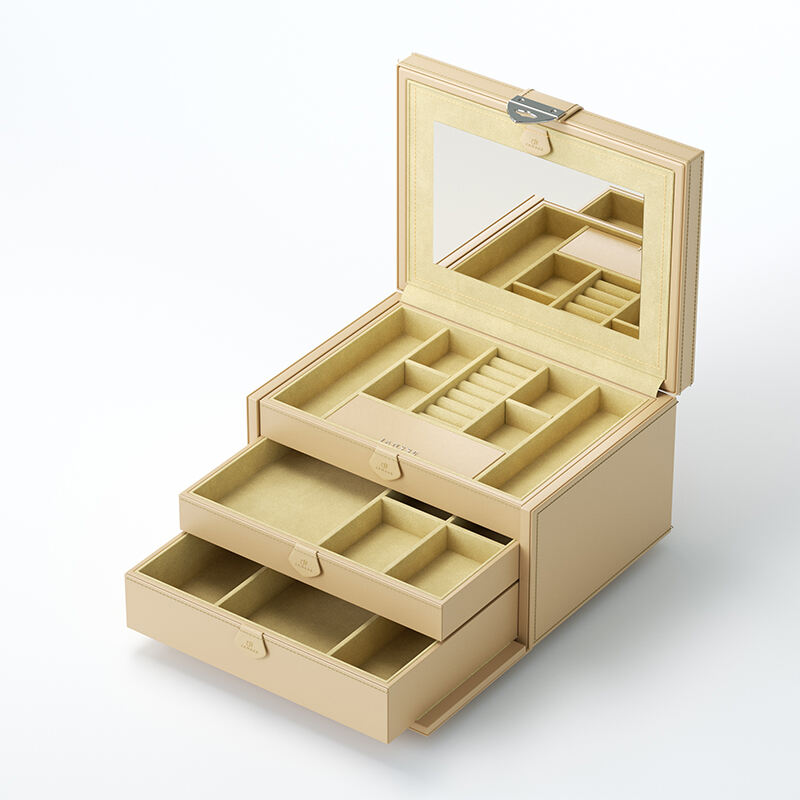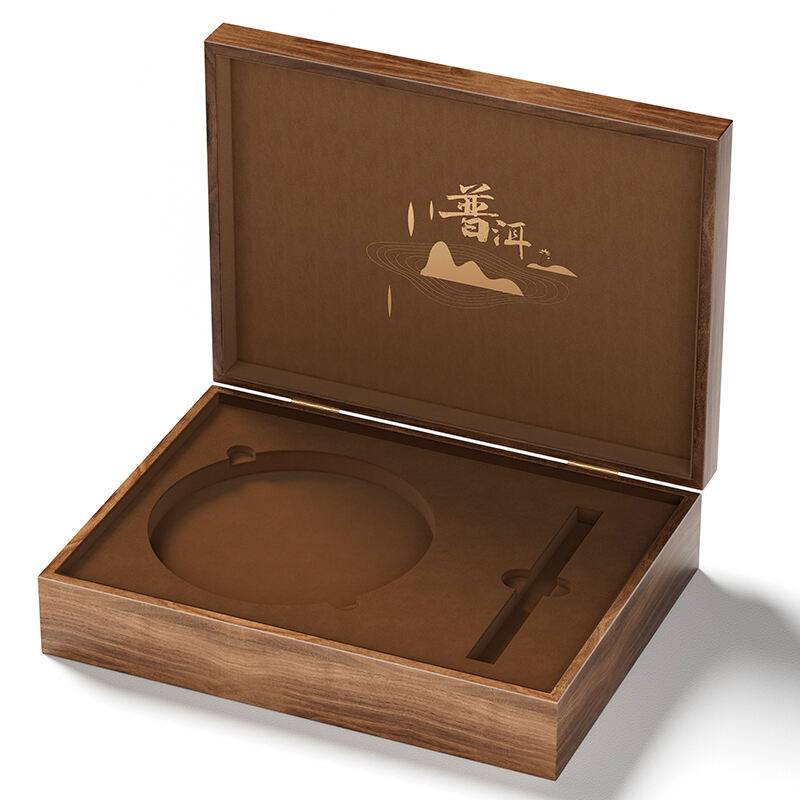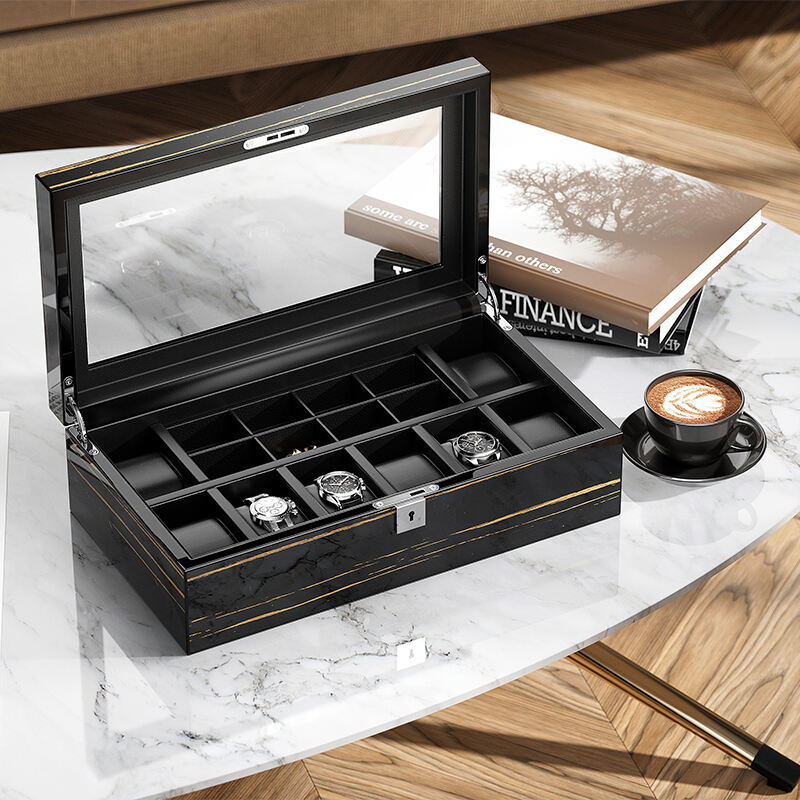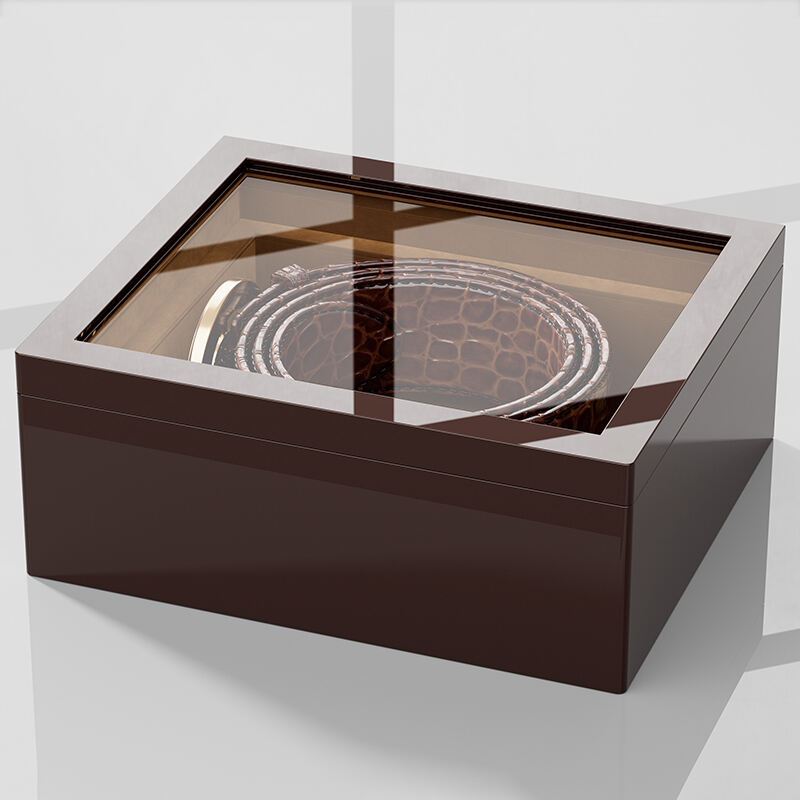
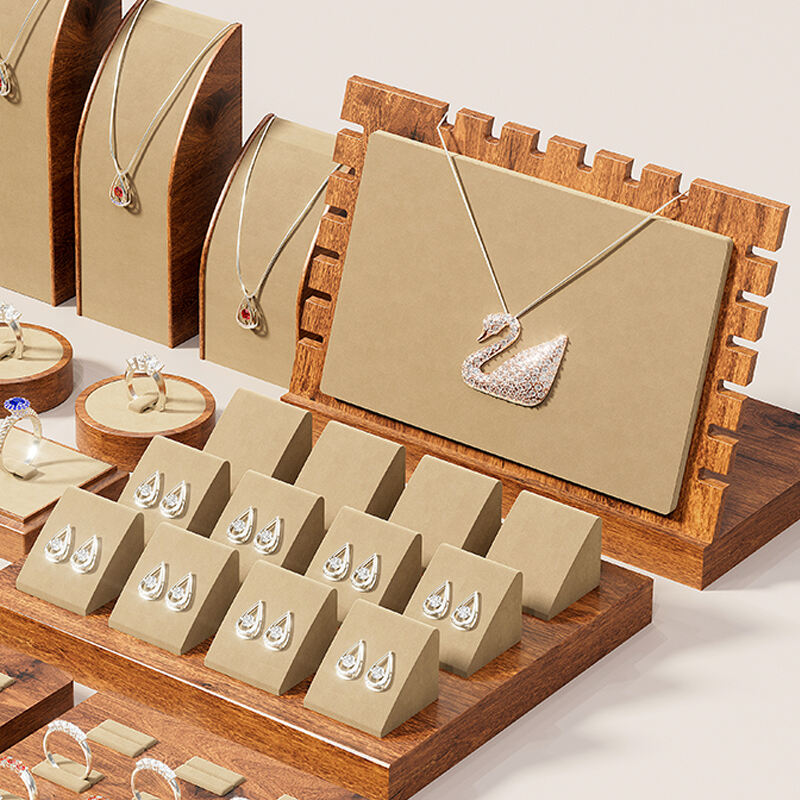
Wooden jewelry boxes for women offer both practical storage solutions and a touch of elegance all at once. These boxes are made to keep necklaces from getting tangled up, prevent earrings from scratching each other, and stop rings from rolling away somewhere impossible to find later on. Most come lined with soft fabrics like velvet or felt, plus have little sections just right for those tiny bracelets or brooches that need special care. What makes them really stand out though is how they reflect someone's taste. Some people go for rustic oak designs that look like something from grandma's attic, while others prefer sleek walnut finishes with modern geometric patterns. Either way, it's not just about keeping things organized anymore but showing off a bit of personality through wood grain textures and handcrafted details that speak volumes about who owns them.
These boxes aren't just for storing stuff thanks to some serious craftsmanship involved. The curved edges, those little hand carved details, plus finishes ranging from shiny mahogany to weathered looking oak really let people match their jewelry box with whatever style they have going on in their bedroom or at the vanity area. According to recent studies, around two thirds of customers actually care more about how well the design matches what's already there than anything else. That makes sense when thinking about it since wooden boxes serve not only as places to keep things organized but also act as nice looking additions to any space.
Sales of wooden jewelry boxes rose by 42% between 2015 and 2023, outpacing plastic and metal alternatives (Statista, 2023). This growth mirrors increasing consumer interest in home organization, where 55% now seek "visually cohesive" solutions for compact living spaces.
These boxes endure because they balance utility with emotional value. Their tactile warmth enhances daily self-care rituals, while durable construction supports heirloom-quality longevity—a deciding factor for 76% of buyers who favor sustainable over disposable options.
Contemporary designs emphasize organic curves and textured surfaces, with 68% of consumers preferring rounded edges over angular ones (Nature, 2023). Textures such as hand-carved botanical patterns and satin-finished grains transform functional objects into sensory experiences. Soft contours integrate seamlessly into vanity setups, while fingerprint-resistant surfaces maintain elegance through everyday use.
Natural wood tones lead 62% of premium sales, though modern interiors increasingly embrace soft blush pinks and muted sage greens. Matte black finishes have surged 140% since 2020, offering bold contrast without sacrificing wood’s inherent warmth. These palettes cater to preferences for serene yet refined personal spaces.
Thoughtful details elevate jewelry boxes into cherished keepsakes:
People definitely have different tastes when it comes to this stuff. According to Nature from last year, around 45 percent of folks under thirty five go for those simple, clean designs, whereas about 58 percent of collectors actually like all that fancy inlay work better. Makes sense really. The minimalist crowd tends to want something understated but still classy, while people who collect tend to see detailed work as just another piece for their growing collection. These two approaches aren't fighting each other though. Both are doing pretty well these days, which shows how our ideas about what looks good keeps changing over time for things we wear everyday.
Functional layouts prevent damage and streamline access. Padded ring slots protect settings, perforated earring holders keep pairs together, and smooth necklace hooks preserve chain integrity. Lockable sections safeguard heirlooms. A 2023 survey found 87% of users consider these features essential when choosing a jewelry box.
Modular interiors now dominate the market, with 62% of manufacturers offering adaptable configurations. Sliding dividers accommodate changing collections, while removable trays make it easy to access frequently worn pieces—supporting everything from minimalist essentials to expansive wardrobes.
Premium models incorporate advanced storage solutions:
| Daily Use Features | Special Occasion Features |
|---|---|
| Quick-access top trays | Velvet-lined archival chambers |
| Water-resistant watch pads | Humidity-controlled compartments |
| Mirror-integrated sections | Illuminated display niches |
This distinction helps preserve sentimental pieces while simplifying daily routines, with 91% of frequent wearers favoring separate storage zones (2023 organizational study).
Solid wood remains the benchmark for durability, enduring three times more daily wear than veneer-covered composites (2024 Craftsmanship Report). It also develops a richer patina over time, enhancing its heirloom appeal. Veneers offer a cost-effective alternative—typically 40–60% cheaper—mimicking premium woods like mahogany through advanced lamination, ideal for style-conscious buyers.
Walnut leads premium collections with shock resistance and deep chocolate hues. Sustainably harvested bamboo appeals to eco-minded consumers due to its rapid renewability (1–5 year cycles). Cherry wood ages gracefully, darkening from honey-toned to reddish-brown over decades. Maple’s tight grain minimizes jewelry abrasion better than open-grained species.
Quality materials extend jewelry life:
The term “handcrafted” is often misleading—audits show 72% of Amazon-listed boxes claiming artisanal origins are actually CNC-machined. Authentic indicators include visible tool marks on dovetail joints, natural variations in wood grain across units, and manufacturer-shared workshop photos.
A 2024 survey found 67% of luxury shoppers prioritize eco-conscious materials in jewelry storage. This drives adoption of FSC-certified wood, water-based finishes, and compostable packaging. Brands embracing these practices report a 29% increase in customer retention, according to a landmark study on sustainable packaging trends.
Modern designs now include discreet charging pads for wearables and biometric locks linked to smartphones. These features respond to rising demand for multifunctional furniture—38% of users under 35 seek “tech-ready” storage (2023 home organization data).
More than half of consumers pay a 15–20% premium for personalized touches. Laser engraving, interchangeable liners, and modular trays dominate high-end offerings, reflecting a broader trend toward individualized functional decor.
By 2026, 40% of luxury jewelry boxes are expected to feature AI-assisted design tools, allowing buyers to preview finishes and layouts digitally. Hybrid models combining rotating trays with stackable modules will redefine versatility for dynamic jewelry collections.
 Hot News
2026-03-30
2026-03-26
2026-03-22
2026-03-19
2026-02-27
2026-02-23
TANCY BOX provides premium custom packaging for jewelry, watches, cosmetics, and spirits. With 17 years of expertise and ISO/CE/REACH certifications, we deliver innovative, export-quality solutions for global luxury brands. Request a quote today.
No. 7, High Bridge Middle Road, Longgui Sub-district, Baiyun District, Guangzhou City
Copyright © 2025 by Guangzhou Tancy Industrial Co., Ltd. Privacy Policy
 EN
EN