
 EN
EN
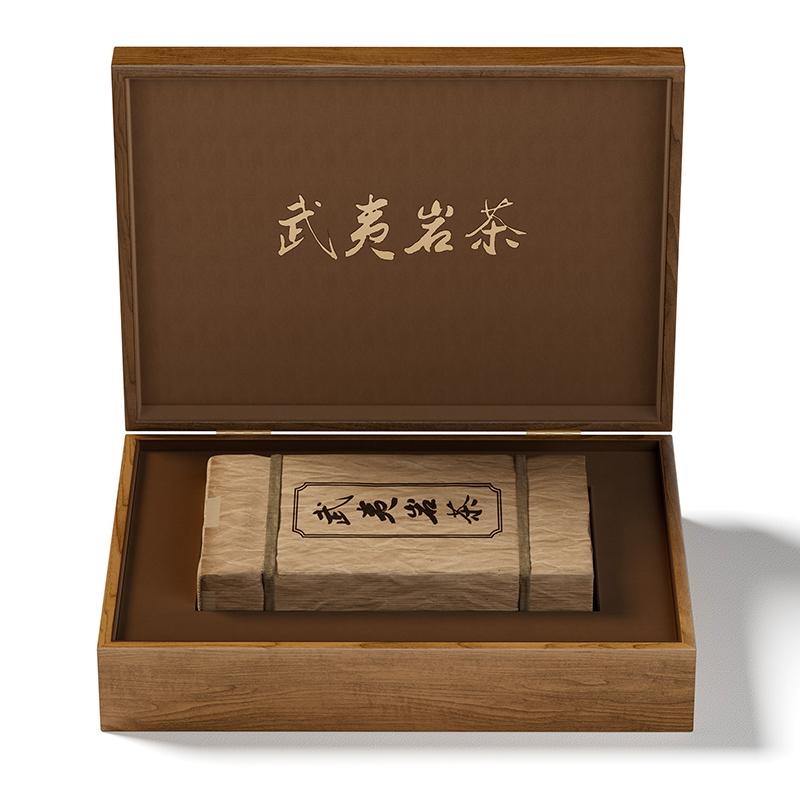
Why Wood Is the Optimal Material for a Wooden Tea Box
Wood outperforms synthetic alternatives by addressing tea’s core freshness threats—humidity, light exposure, and odor contamination—through innate biological properties. Its cellular structure actively maintains ideal storage conditions without artificial interventions.
Natural Moisture Regulation and Micro-Breathability for Balanced Humidity Control
Wood has this interesting property where it can actually soak up and let go of moisture depending on what's going on around it, which helps keep things at around 55 to 65 percent relative humidity inside. The way wood breathes on a microscopic level stops mold from growing when there's too much dampness in the air, but also keeps materials from getting too brittle when it gets really dry out there. Plastic and metal just sit there doing nothing compared to wood, which adjusts itself like how tea interacts with its surroundings. This natural adaptability helps preserve those delicate oils in tea leaves and stops flavors from breaking down over time.
Superior Light Blocking and Odor Neutrality vs. Plastic, Metal, and Cardboard
Solid wood construction provides full UV opacity, shielding delicate tea compounds from photodegradation that plagues transparent containers. Simultaneously, lignin polymers in wood actively neutralize external odors—unlike cardboard, which absorbs them, or plastic, which may leach chemicals. This dual-action protection preserves terroir integrity.
| Material | Light Blocking | Odor Control |
|---|---|---|
| Wood | Full opacity | Active neutralization |
| Plastic | Variable | Chemical leaching |
| Metal | Partial | Metallic taint |
| Cardboard | None | Porous absorption |
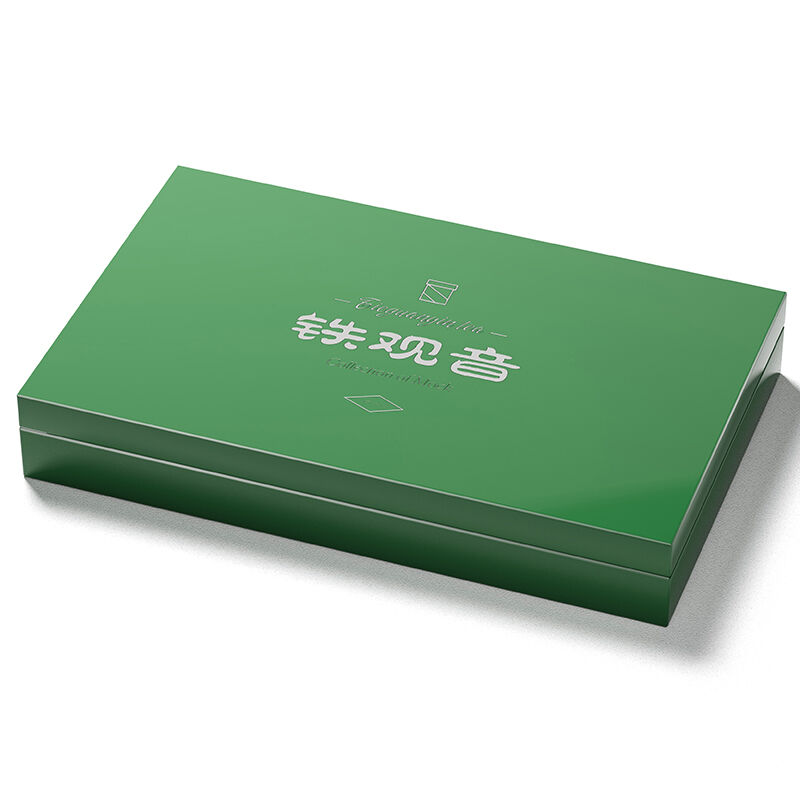
Selecting the Right Wood Species for Your Tea Type
Camphorwood, Paulownia, and Bamboo: Comparing Absorption Rates, Density, and Aroma Safety
The type of wood used makes all the difference in how long your tea stays fresh. Take camphorwood for instance. While it keeps bugs away naturally, it has this really strong smell that can overpower delicate white or green teas. The wood isn't very dense either (around 0.35 to 0.45 grams per cubic centimeter), so it doesn't absorb much moisture which actually slows down oxidation. That's why camphorwood works better with stronger black teas instead. Paulownia wood is super light at just 0.27 g/cm³ and regulates humidity pretty well. Great for aging oolongs and pu-erhs gently over time. Just need to line it properly since the wood tends to soak up flavors easily. And then there's bamboo, which packs the most punch with its density of about 0.65 g/cm³. When treated with heat, it maintains structural integrity without transferring much aroma. A recent study from 2024 on tea storage materials backs this up. For folks storing herbal mixes or flavored blends, bamboo containers tend to be the way to go.
| Wood Type | Density (g/cm³) | Moisture Absorption | Best Tea Pairing |
|---|---|---|---|
| Camphorwood | 0.35–0.45 | Low | Black teas |
| Paulownia | 0.27 | Moderate | Oolong, Pu-erh |
| Bamboo | 0.65 | High | Herbal, Flavored teas |
Always prioritize untreated woods with food-safe certifications to avoid residual tannins or processing agents that alter taste profiles over time.
Sealability Design Essentials in a Wooden Tea Box
Lid Mechanisms That Prevent Oxidation: Tongue-and-Groove, Compression Seals, and Gasket Integration
Effective oxygen barriers are critical: flavor compounds begin degrading within 48 hours of air exposure. Three lid designs define premium wooden tea boxes:
- Tongue-and-groove joints interlock wood edges seamlessly, creating friction-based seals that block 97% of ambient air when precision-cut—preserving aesthetics while eliminating gaps.
- Compression seals use weighted lids or tension hinges to apply constant downward pressure against the rim, adapting automatically to seasonal wood expansion and maintaining consistent closure.
- Silicone gasket integration embeds food-grade rubber inserts into the wooden frame, compensating for microscopic surface imperfections and achieving 0.5% oxygen infiltration—validated in laboratory testing.
Each mechanism targets a distinct vulnerability: tongue-and-groove excels at edge sealing, compression manages warping, and gaskets fill micro-gaps. For maximum efficacy, pair any of these with dark-stained wood to ensure full light blocking—tea stored this way retains 89% more volatile oils after six months than loose-packed alternatives.
Internal Protection Strategies for Long-Term Freshness
Food-Safe Linings (Tinplate, Beeswax Paper) vs. Traditional Unlined Craft — When Each Is Appropriate
When deciding between lined and unlined containers, the impact on tea preservation is pretty significant. Tinplate lining acts as a solid shield against moisture and unwanted smells, making it great for sensitive green teas and herbal mixes that tend to lose their character quickly. Beeswax coated paper offers decent protection from vapors but still lets in just enough oxygen for those special oolong or white teas that actually improve with time. On the other hand, traditional wooden boxes made from properly aged hardwoods like mahogany or cherry work differently. These woods naturally absorb and release moisture, keeping things around 55 to 65 percent humidity which is perfect for aging pu-erh and black teas through slow oxidation. But working with unlined wood requires careful selection of materials. Pine can leave behind resiny tastes, and wood that hasn't dried properly will warp over time. If someone wants to keep their tea fresh for more than two years, going with lined options makes sense. Unlined wooden storage works well too, usually maintaining quality for about six to twelve months when kept in a consistently controlled environment.