
 EN
EN
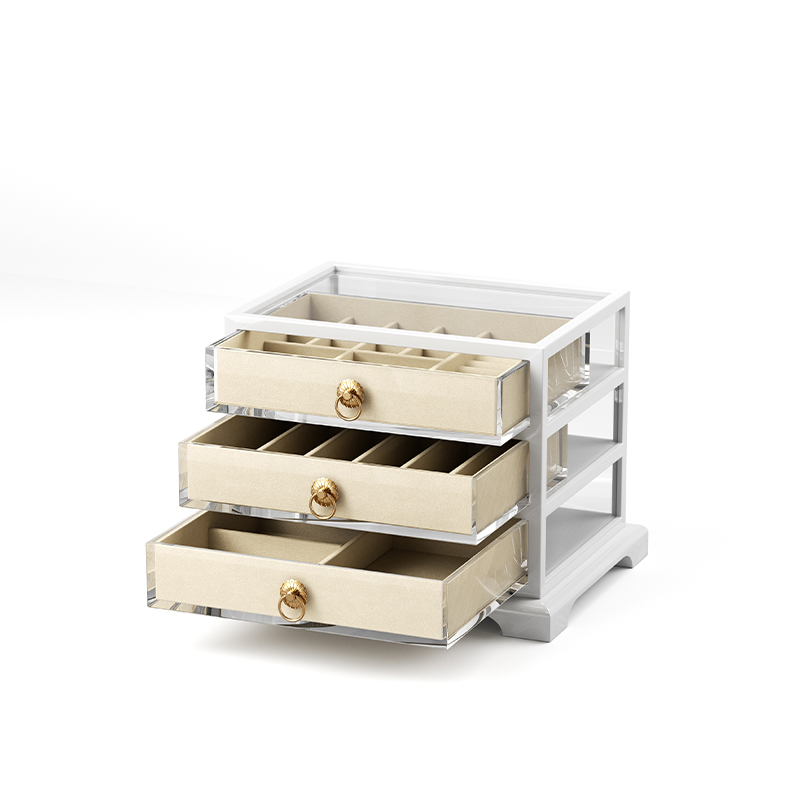
Unmatched Protection: How a Wooden Jewelry Box Prevents Tarnish, Tangling, and Damage
Natural wood breathability and moisture regulation to inhibit metal tarnishing
The cellular structure of wood naturally soaks up and lets out moisture, keeping indoor humidity pretty steady around that sweet spot of 45 to 55 percent where jewelry stays safe. This ability to buffer against humidity changes stops those chemical reactions that make silver and other metals tarnish over time. Plus it protects delicate stones like pearls and opals from getting dry and cracked or cloudy looking. Plastic containers and composite materials are actually worse because they trap moisture inside which makes things rust faster. Real hardwoods like walnut and oak just work their magic regulating air moisture all on their own without needing any fancy gadgets. Scientists have studied this stuff for years and confirmed what many craftsmen already knew through experience about how certain woods interact with moisture in the environment.
Synergistic interior linings—felt, velvet, and aromatic cedar—in classic wooden jewelry boxes
High quality wooden boxes feature lining combinations that really work well together. The inside is lined with soft velvet and felt materials that hold precious items securely without causing damage to their delicate surfaces or intricate details. These materials stop those tiny scratches from forming on gemstones or engraved metals. Underneath all this protection lies aromatic cedar wood, something traditionally found in places where important documents are stored long term. This type of wood gives off natural oils that keep bugs away while also slowing down the process of metal surfaces turning dull over time. The slightly acidic vapor from the cedar works hand in hand with how wood naturally regulates moisture levels, creating two separate but connected ways to prevent tarnishing. When put together, these different materials create protection that regular boxes just can't match when they're made from only one kind of material.
Thoughtful compartmentalization to safeguard delicate chains, gemstones, and settings
The jewelry box comes with thoughtfully designed storage solutions like ring slots featuring padded grooves, vertical hooks for necklaces with rubber ends to grip without damaging, plus divided trays where each section has rounded edges. These compartments keep everything separate so nothing gets damaged. Chains stay tangle free, precious stones don't rub against tougher materials that might scratch them, and those delicate filigree designs or pendants with tiny settings won't bend when pressed together. When different metals touch each other regularly, they can actually corrode faster over time. This happens because of something called galvanic action which makes some jewelry tarnish quicker than normal, especially when silver sits next to gold or platinum in the same space.
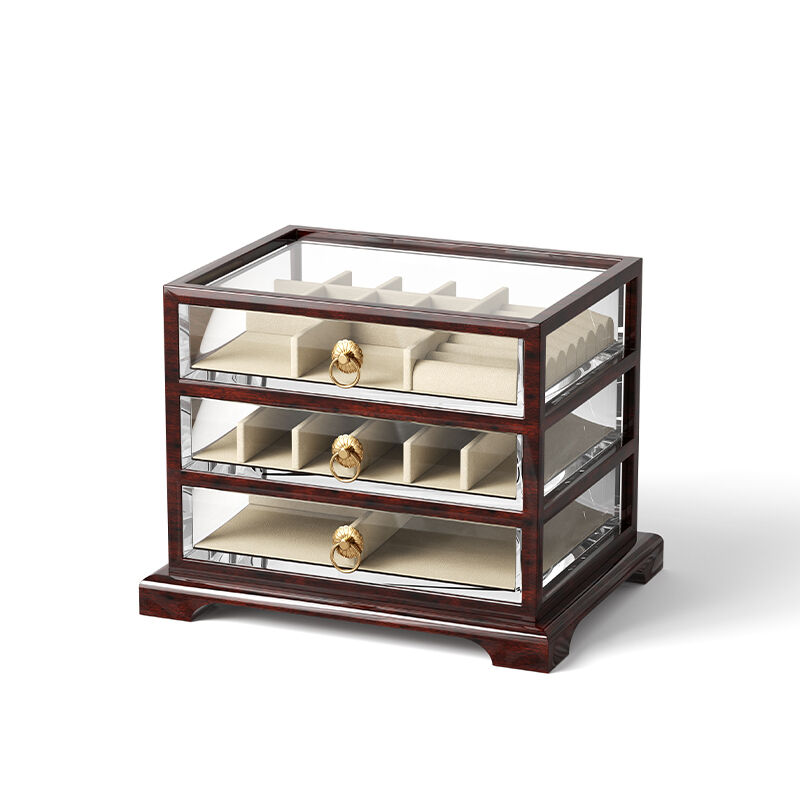
Long-Term Durability and Environmental Stability of a Wooden Jewelry Box
Hardwood density and grain structure as passive humidity buffers for sensitive jewelry
Walnut wood with around 640 kg per cubic meter density and mahogany have those tight, interlocked grains that don't really expand or contract much when conditions change. Because of this stability, these woods actually act kind of like natural humidity controllers, keeping things balanced inside without causing warping, swelling issues, or releasing unwanted gases. Research from conservation experts shows that this stable environment matters a lot for protecting delicate organic stuff like pearls, coral pieces, and amber. Plus it helps prevent cracks in fragile gemstones such as opals and tanzanites too. The consistent climate created by these hardwoods makes all the difference in preservation efforts.
20+ year service life: Why solid wood outperforms MDF, plastic, and engineered alternatives
Solid hardwood construction delivers generational durability through inherent structural integrity:
| Material | Avg. Lifespan | Moisture Resistance | Dent/Scratch Resistance |
|---|---|---|---|
| Solid Hardwood | 20+ years | High | High |
| MDF/Engineered | 5–8 years | Low (swells) | Moderate |
| Plastic/Composite | 3–7 years | Variable | Low |
When MDF gets wet from humidity, it tends to swell and eventually fall apart. Plastics aren't much better either; they start to yellow, get brittle after a while, and sometimes even release strange chemicals when left in sunlight. Hardwoods tell a different story though. As they age, these woods form something like a natural shield called a patina that actually makes them look better and stand up to wear and tear longer. Looking at luxury markets, experts have found that properly cared for wooden jewelry boxes are often considered family treasures. The numbers back this up too; studies show people replace their plastic boxes about seven times more frequently within fifteen years compared to those made from real wood.
Timeless Aesthetic Value: The Enduring Elegance of a Wooden Jewelry Box
Jewelry boxes made from wood have stood the test of time because of their natural beauty. Every single piece has its own story told through the grain patterns, which change slowly as they catch different lights and get handled over years, developing a richer look. These variations can't be copied by any kind of printing or laminating process, so wooden boxes stay stylish no matter what decade we're talking about. They fit right in whether someone likes Scandinavian simplicity, those mid-century modern vibes, or more traditional settings at home. There's something special about touching real wood grain, feeling its texture, that creates an emotional bond between person and object. A good wooden box isn't just somewhere to keep rings and earrings; it becomes part of daily life, almost like family heirloom stuff. While plastic alternatives come and go with fashion trends, quality wooden boxes actually become more valuable with age, holding memories instead of just being decorative items on display.
Custom Craftsmanship: Why Wood Enables Truly Personalized Jewelry Storage Solutions
Modular interiors, hidden compartments, and artisanal finishes unique to wooden jewelry boxes
What makes wood so special is how easy it works with the hands, allowing for custom touches that just aren't possible with stiff or layered materials. Craftsmen build storage solutions inside these pieces—adjustable ring slots here, removable trays for bracelets there, even necklace hooks that can be moved up or down as collections grow over time. For safety without sacrificing looks, there are hidden tricks built right in: false bottoms in drawers, magnets tucked away behind doors, and sections that pop out when needed but disappear otherwise. The thick texture and smooth grain found in quality woods such as walnut or mahogany really let artists get creative with their designs. Carving becomes easier, inlay work looks better, and those special finishes people love—hand rubbed oils or that old-fashioned French polish—take on a whole new life. Each finished item turns into something unique, not just useful stuff but expressions of individual style that carry real emotional weight for whoever owns them.
Table of Contents
- Unmatched Protection: How a Wooden Jewelry Box Prevents Tarnish, Tangling, and Damage
- Long-Term Durability and Environmental Stability of a Wooden Jewelry Box
- Timeless Aesthetic Value: The Enduring Elegance of a Wooden Jewelry Box
- Custom Craftsmanship: Why Wood Enables Truly Personalized Jewelry Storage Solutions