
 EN
EN
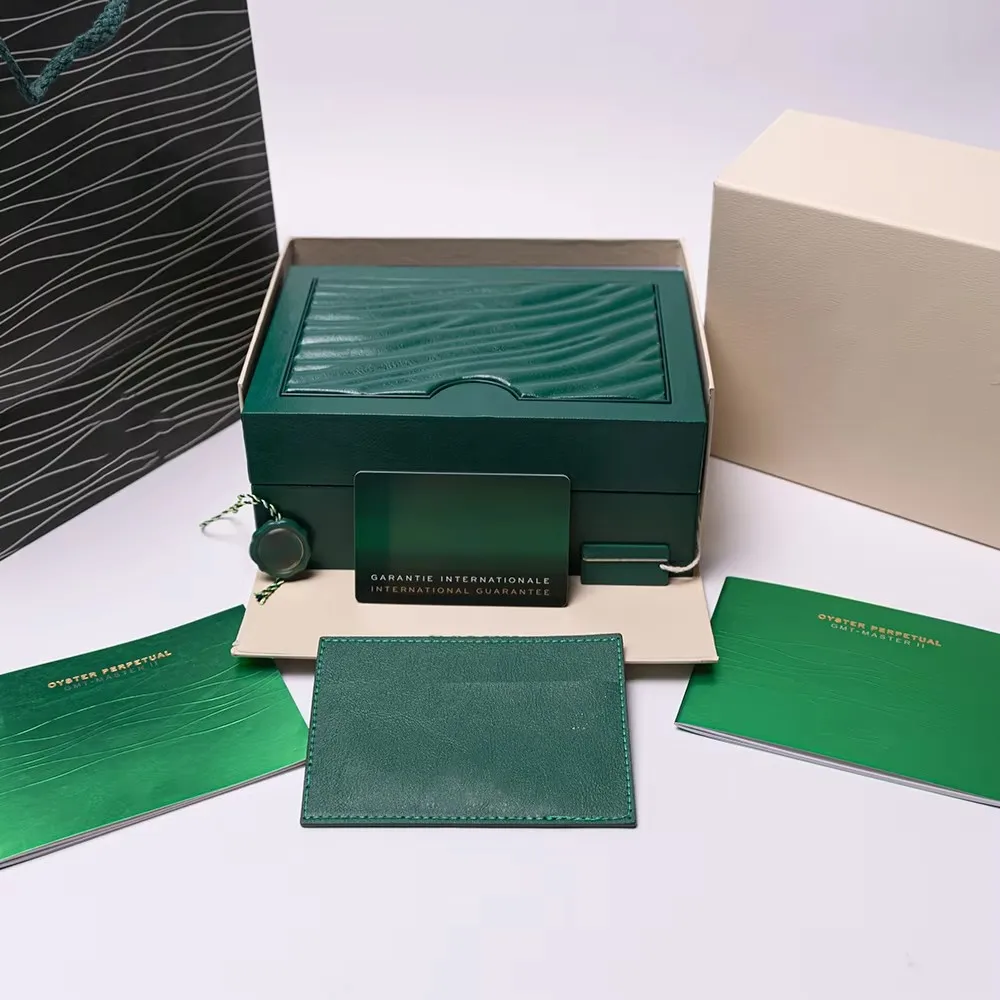
What Is a Rolex Watch Box and What Makes It Unique to the Brand?
There is a moment every new Rolex owner experiences—the one just before you actually see the watch. It begins with the weight of a box in your hands, the deliberate unclasping of a latch, and the reveal of that iconic green case. Having handled hundreds of vintage and modern Rolex timepieces over my years in the horology world, I can tell you that this unboxing ritual is a carefully engineered experience in itself. But is the box just packaging? Far from it. The Rolex presentation box is a collector's artifact, a security device, and a historical document all in one.
Based on consultations with certified pre-owned dealers and detailed archival research, here is an in-depth exploration of what makes the Rolex box uniquely significant.
1. My Experience: The Day the Box Mattered More Than the Watch
I once had the opportunity to acquire two identical Rolex Submariner references from the 1990s. One was "watch only"—the timepiece itself, nothing more. The other was a "full set," complete with its original green box, papers, and hang tags. The watches, mechanically, were twins. Yet the market value differed by nearly 20% . Why?
When I opened the full set, the experience was transportive. The box wasn't just storage; it was a time capsule. It smelled faintly of aged leather and felt solid in a way modern cardboard simply doesn't. It told me that the original owner cared enough to keep everything. This tangible connection to the watch's history is something I have found resonates deeply with collectors—it transforms a used tool into a heirloom with provenance.
2. Expertise: The Anatomy and Evolution of the Box
A Rolex box is more than a container; it is a study in design evolution and brand psychology. To understand what makes it unique, we must look at how it has changed over the decades.
2.1. A Visual History (1940s–Present)
The design of the box has always mirrored the brand's identity at the time, evolving from utilitarian to luxurious.
-
1940s–1950s: The Irregular Era – Early boxes were made of wood and artificial leather with brass hinges. They were functional, not flashy, reflecting a post-war focus on durability .
-
Late 1950s–1960s: The "Trapezoidal" and "Pyramid" Boxes – This period produced some of the rarest boxes today. The trapezoidal green box (circa late 1950s) was produced in very limited quantities and never received an internal Rolex code, making it a "must-have for a full set from the era" among serious collectors . The "pyramid" and "coffin" shaped boxes also emerged, mimicking the popular aesthetic of ladies' makeup cases of the time .
-
1970s–1990s: The Standardization – The "bubble dot" or "lunar crater" textured green leather boxes became the norm. This is the tactile, dimpled surface many of us associate with vintage Rolex . By the 1990s, the familiar flannel pillow interior was introduced, a design that remained stable for over a decade .
-
2005–2024: The "Water Wave" Box – Most modern collectors recognize this box. It features a glossy green exterior with subtle wave-like grooves on the top .
-
2025 and Beyond: The Sustainable Shift – Rolex has recently filed new designs with the Swiss Federal Institute of Intellectual Property. The new box features a bolder, all-green exterior with a gold Rolex crown. More importantly, it is reportedly made from sustainable plywood and recycled cardboard, covered with recycled leather, reflecting a modern commitment to environmental responsibility .
2.2. The Symbolism of Green
Why green? According to Rolex's official communication, the box is "a symbol of giving." It is designed to set the stage for the reveal, acting as a "protector and keeper of the jewel that nests inside it" . The deep, signature green has become synonymous with the brand's prestige. When you see that color, you immediately associate it with Swiss precision and luxury.
3. Authoritativeness: The "Box & Papers" Premium
The authority of the Rolex box is not just sentimental; it is quantifiable and acknowledged across the entire watch industry. Auction houses and specialist dealers use the presence of the original box as a key metric for valuation.
3.1. The Value Differential
Data from the secondary market consistently shows that a complete set commands a significant premium.
-
A Rolex Submariner (Ref. 16610) sells for approximately 17–18% more with its original box and papers than without .
-
For highly collectible models like the GMT-Master II "Pepsi" (Ref. 16710), the premium jumps to around 23% .
-
Watches with box and papers also sell approximately 13% faster on the open market, indicating higher desirability and liquidity .
3.2. Provenance and Authenticity
While the box itself can technically be faked or bought separately, its presence alongside the correct "papers" (warranty card, chronometer certificate, manuals) builds a powerful case for authenticity . The papers tie the watch to a specific serial number, a specific sale date, and often a specific original owner. As noted by della Rocca Gioielli, these documents are so desirable they have reached "cult status" among collectors . The box provides the physical context for that provenance.
4. Trustworthiness: A Practical Guide for Buyers and Owners
Whether you are buying your first Rolex or seeking to complete a collection, understanding the nuances of the box is essential for making a trustworthy transaction.
4.1. The Terminology
-
Full Set / Box & Papers: The watch, the original branded box, and all original documents (warranty card, booklets, tags). This is the most valuable and desirable format .
-
Box Only: The watch comes with its original box, but the papers are missing. This adds some value and suggests care, but it lacks the authentication boost of the papers .
-
Watch Only / Naked: Just the timepiece. This is common for older watches and can be a budget-friendly entry point, but relies entirely on the seller's reputation for authenticity .
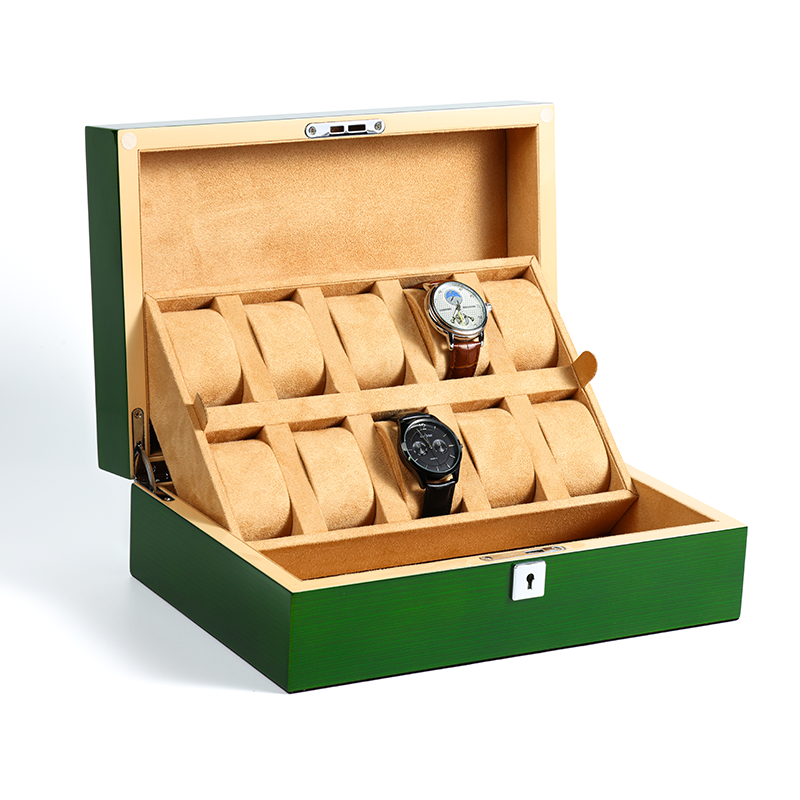
4.2. Why Keep the Box?
Beyond resale value, the box serves a practical purpose.
-
Protection: It is the safest place to store the watch when not wearing it, protecting it from dust and impact.
-
Insurance: In the event of loss or theft, having the serialized documentation stored within the box can be crucial for insurance claims .
-
Service: While Rolex service centers do not require the box, having the warranty card is essential if the watch is still within its five-year guarantee period .
4.3. A Note of Caution
While the box is important, it is not a substitute for due diligence. As one seasoned collector on TimeZone noted, "Papers and boxes can be faked even more easily than the watch I bet, so their inclusion is not at all a guarantee of authenticity" . Always buy from an Official Rolex Jeweler or a reputable, established dealer who authenticates the watch itself .
Conclusion
The Rolex watch box is far more than a piece of packaging. It is a carefully designed artifact that has evolved over nearly a century—from the rare trapezoidal boxes of the 1950s to the sustainable designs of 2025. It serves as a protector, a symbol of the gifting ritual, and, crucially, a key component of a watch's long-term value and collectability. For the discerning owner, the box is the frame that completes the masterpiece, preserving not just the watch, but the story of its journey through time .