
 EN
EN
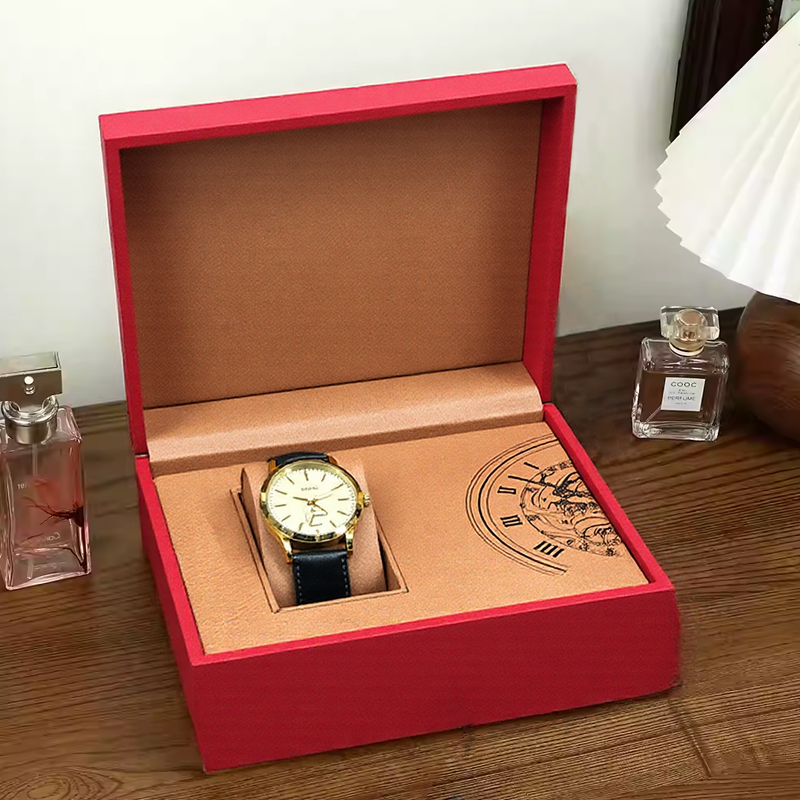
The Watch Case: Definition and Primary Protective Roles
The watch case acts as the main shield protecting all those delicate parts inside the timepiece - think movement, dial, and hands - from getting damaged by stuff in the environment. Basically, this outer shell stops dust from getting in, keeps moisture away, and absorbs knocks that might otherwise mess with how accurate or functional the watch remains. Modern cases are engineered to handle important protections such as water resistance and shock absorption features. Some high end models even include special seals and stronger materials that can take on water pressure beyond what most people would encounter, around 10 ATM which translates to about 100 meters underwater. What makes these cases really work is their ability to form a kind of sealed bubble around everything inside, so watches stay reliable no matter what kind of regular wear and tear they experience day after day.
Key protective functions include:
- Barrier against contaminants, including dust and humidity
- Impact resistance, delivered through structural rigidity and material choice
- Pressure management, achieved via precision sealing at all interfaces
- Corrosion prevention, governed by alloy composition and surface treatments
Without this outer armor, the movement would be vulnerable to everyday elements—from accidental bumps to ambient humidity—leading to premature wear or failure. The case’s design directly determines a timepiece’s durability rating, making it foundational to both luxury and tool watches alike.
Key Structural Components of the Watch Case and How They Work Together
Case Body, Bezel, Crystal, Case Back, Gaskets, and Crown Seals
Watch cases actually consist of about six different parts working together to protect the inner workings. The main body acts as the foundation for everything else inside, holding all those tiny gears and springs in place while also spreading out any pressure points. Then there's the bezel that holds onto the crystal material, usually something tough like sapphire or really hard mineral glass, which stops it from getting scratched up or cracking when dropped. At the back end we find the case back itself, sealing off whatever space lies behind it. Around various spots like where the crystal meets the body, along with the case back area and around that little tube connected to the crown, special rubber rings form watertight seals. And let's not forget about those crown seals either. These are particularly important because they stop water from sneaking in through the winding stem area, which tends to be where problems happen most often in watches without screw down crowns.
When put together, this architecture turns separate components into one solid defense system. During pressure tests, multiple gaskets work together to keep things intact even when submerged past 200 meters deep. They do this by spreading out the stress equally where different parts touch each other. What happens with the crystal pressing against the bezel is pretty interesting too. This actually makes the device more resistant to dust getting inside. Looking at it practically, these tight manufacturing specs and multiple layers of protection aren't just fancy engineering talk they really make a difference in how well protected everything stays.
Water Resistance Engineering in the Watch Case
Screw-Down Crowns, Gasket Integrity, and ISO 22810 Pressure Testing
Getting water resistance right takes more than just throwing parts together it's about how everything works together as a system. When those screw down crowns get locked into place, they create what's basically an airtight barrier that stops water from sneaking in through one of the main weak points. The silicone or fluoroelastomer seals around the watch face, back cover, and where the crown connects actually swell when exposed to pressure, which makes them grip tighter against their surfaces. Watchmakers don't just slap these gaskets in there and call it good either. They subject them to all sorts of stress tests that speed up the normal wear and tear process so they can see if these seals will still hold up after years of being worn.
The validation process sticks to ISO 22810 standards, putting watches through pressure tests at 125% of their stated depth rating. For example, a watch rated for 100 meters gets tested at 125 meters deep. They also run thermal cycles and simulate impacts from water entry. Getting a solid 100m water resistance requires everything to line up just right: how those screws fit down, where the gaskets sit, and how thick they are, plus the strength of the case walls. All these factors need to work together so the watch can handle constant 10 ATM pressure without fail. Testing labs have found that around 95 out of every 100 watches made still keep their seals intact after going through 250,000 simulated arm motions. That means most watches should hold up fine during normal activities like getting caught in the rain, taking a dip in the pool, or even if someone accidentally drops them into a puddle.
Material Selection and Its Impact on Watch Case Protection
The choice of materials directly governs a watch case’s ability to protect delicate internals—balancing impact absorption, corrosion resistance, dimensional stability, and sealing compatibility.
Stainless Steel, Titanium, Ceramic, and Advanced Gasket Compounds
- Stainless steel (316L grade) delivers an optimal balance of scratch resistance, tensile strength, and corrosion protection. Its self-repairing chromium oxide layer resists oxidation even in humid or saline environments.
- Aerospace-grade titanium is 40% lighter than steel yet matches its yield strength—making it ideal for high-impact sports use while reducing fatigue on the wrist and enhancing shock absorption. Its natural biocompatibility also minimizes skin irritation.
- Ceramic (zirconia-based) offers exceptional surface hardness (8–8.5 Mohs), outperforming most metals in scratch resistance. Injection-molded variants maintain dimensional stability across extreme temperatures (–20°C to 60°C), preventing seal distortion in variable climates.
- Advanced gasket compounds, such as Viton® fluoroelastomers, provide superior elasticity retention at depth and resist saltwater degradation three times longer than standard silicone—critical for maintaining long-term water resistance (Material Science Journal, 2023).
True protection emerges not from any single material, but from the intentional alignment of properties: titanium for impact-prone activity, ceramic for surface durability, and specialized gaskets for sustained pressure integrity. Case performance hinges on this holistic synergy between structure, sealing, and environment-specific material science.