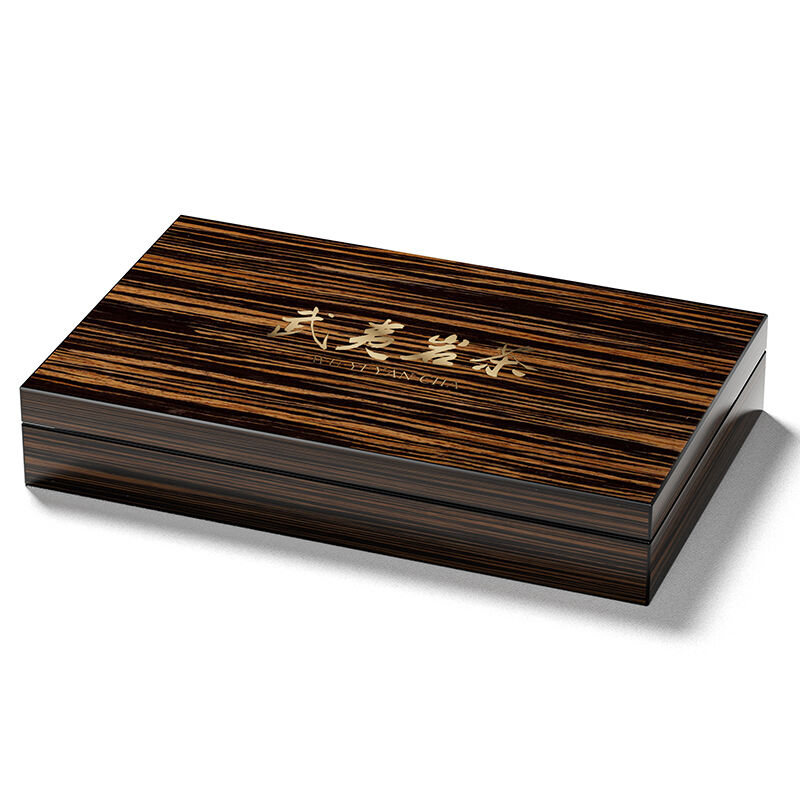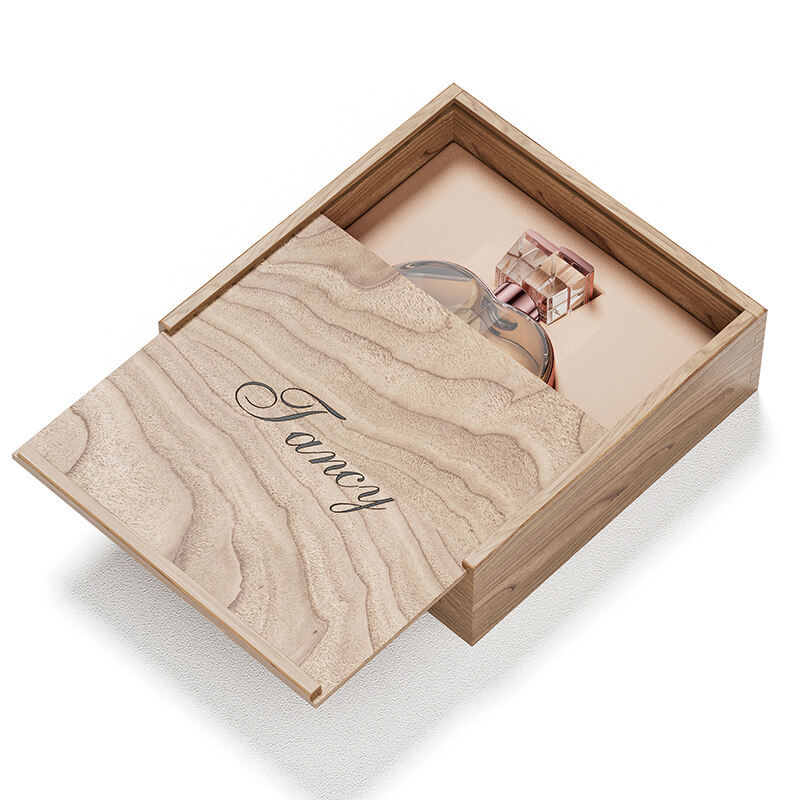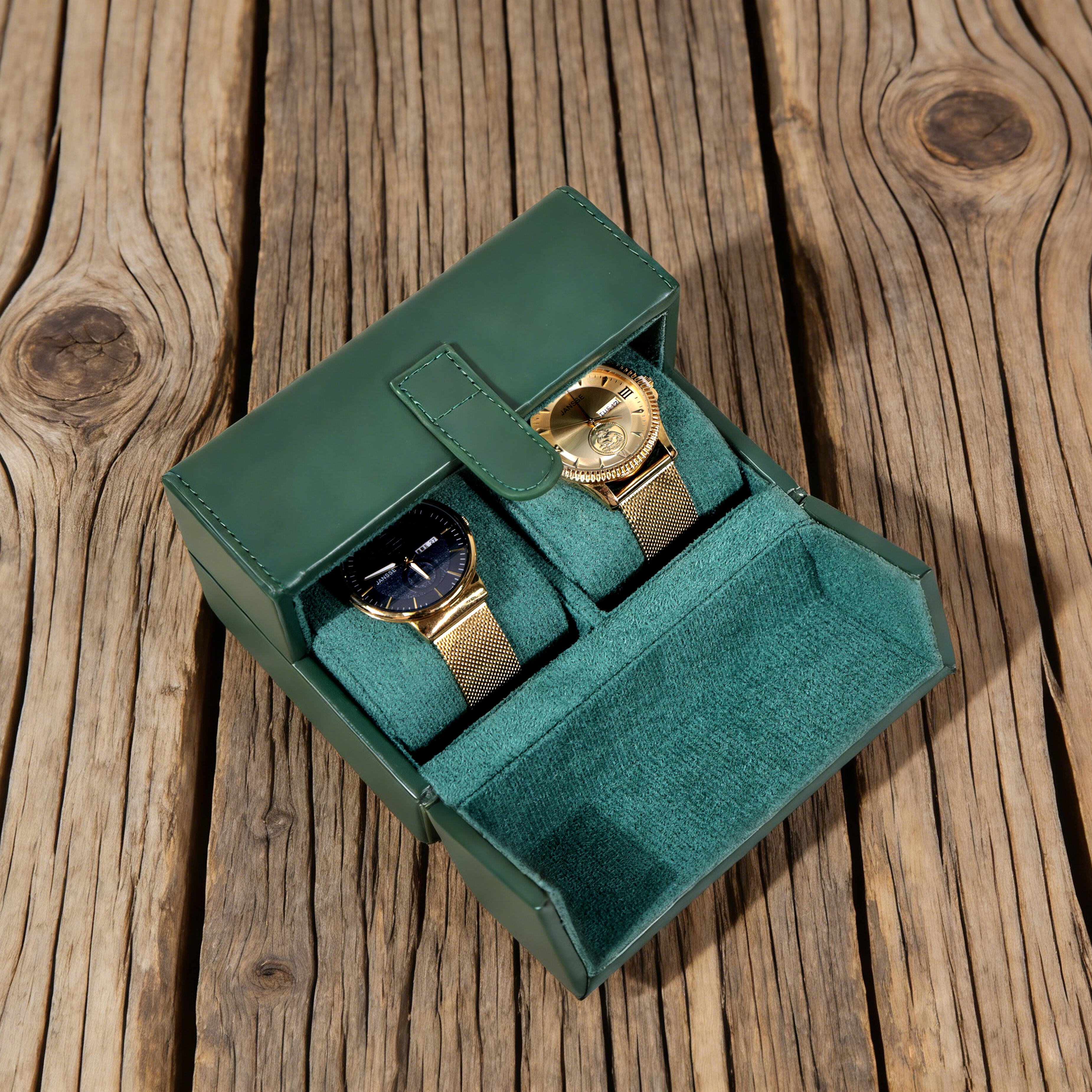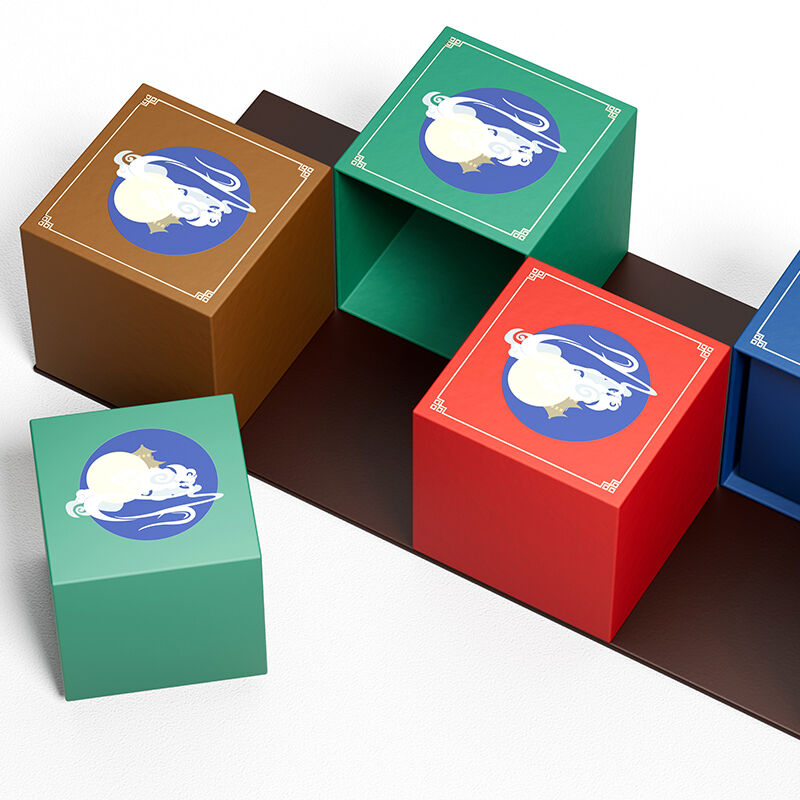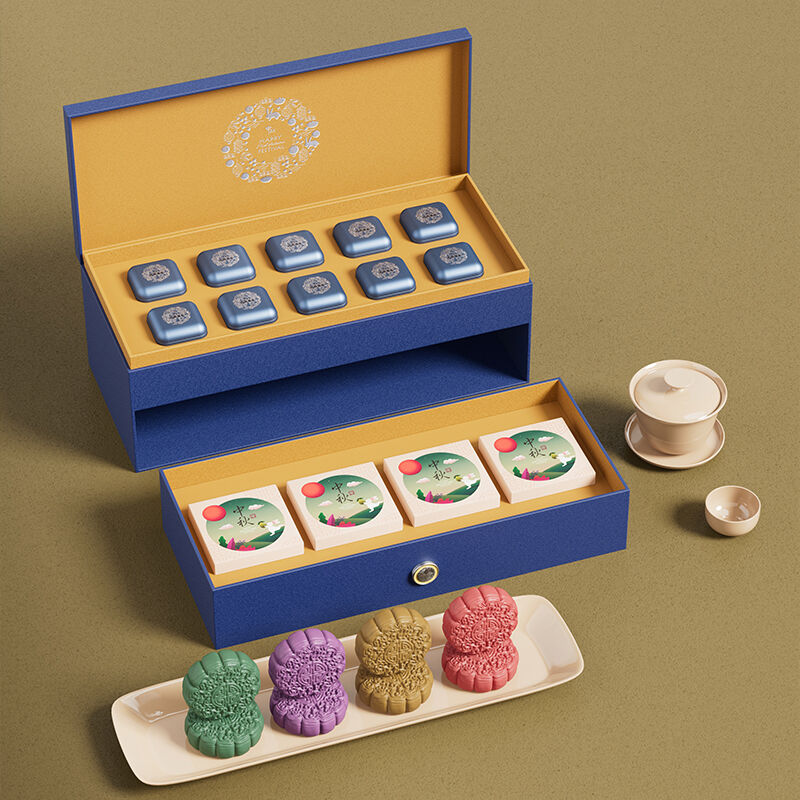
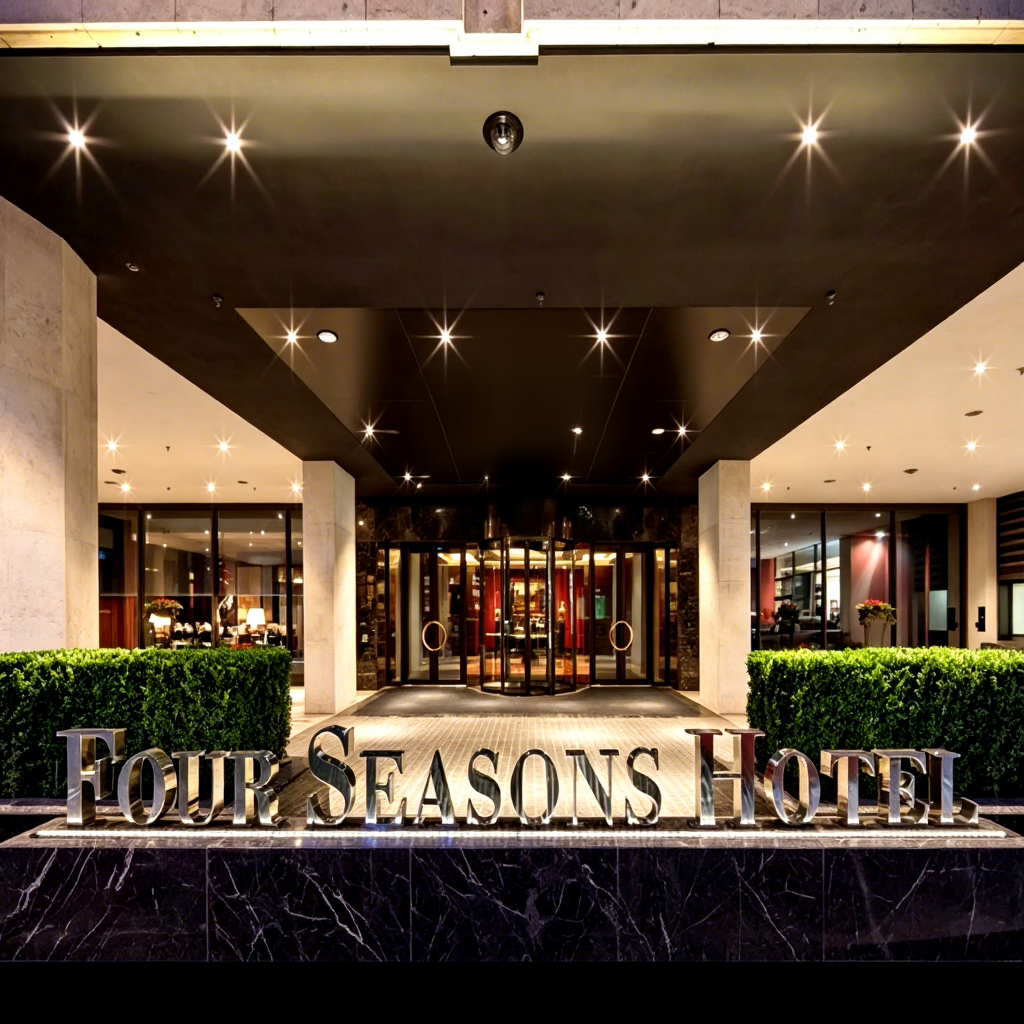
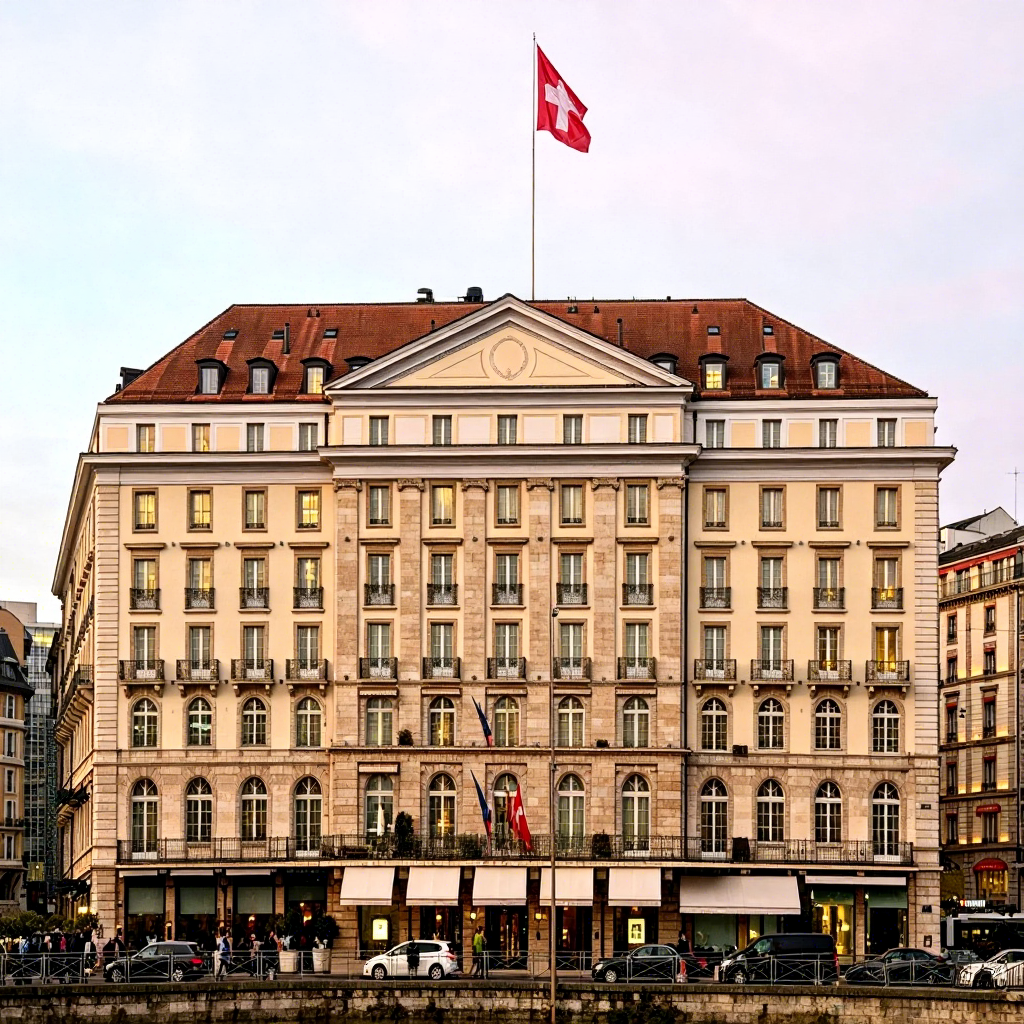
Let's be real—when you get a call from Four Seasons Hotels & Resorts, you don't just "take an order." You prepare for a masterclass in detail. This is a brand that built an empire on the "Golden Rule," and their expectations for seasonal gifts are, frankly, terrifyingly high. From the grand lobbies of Paris to the skyline of Hong Kong, their Mid-Autumn mooncake box is a piece of their soul that guests actually get to take home.
We didn't just want to make another red box. We wanted to build something that felt like it belonged in a private jet or a penthouse suite. Here is the unfiltered story of how we took a wild idea and turned it into a physical masterpiece over three exhausting, rewarding stages.
To be honest, the project didn't start with a clean brief. It started with a whiteboard full of scribbles and a massive challenge from the Four Seasons team: "Give us something that doesn't look like a mooncake box."
They were tired of the "sea of red" and the kitschy gold foil that ends up in the bin by October. They wanted a story. Specifically, a story of their global family. We spent days in Stage 1 just debating the "unboxing psychology." Should it open like a book? A drawer?
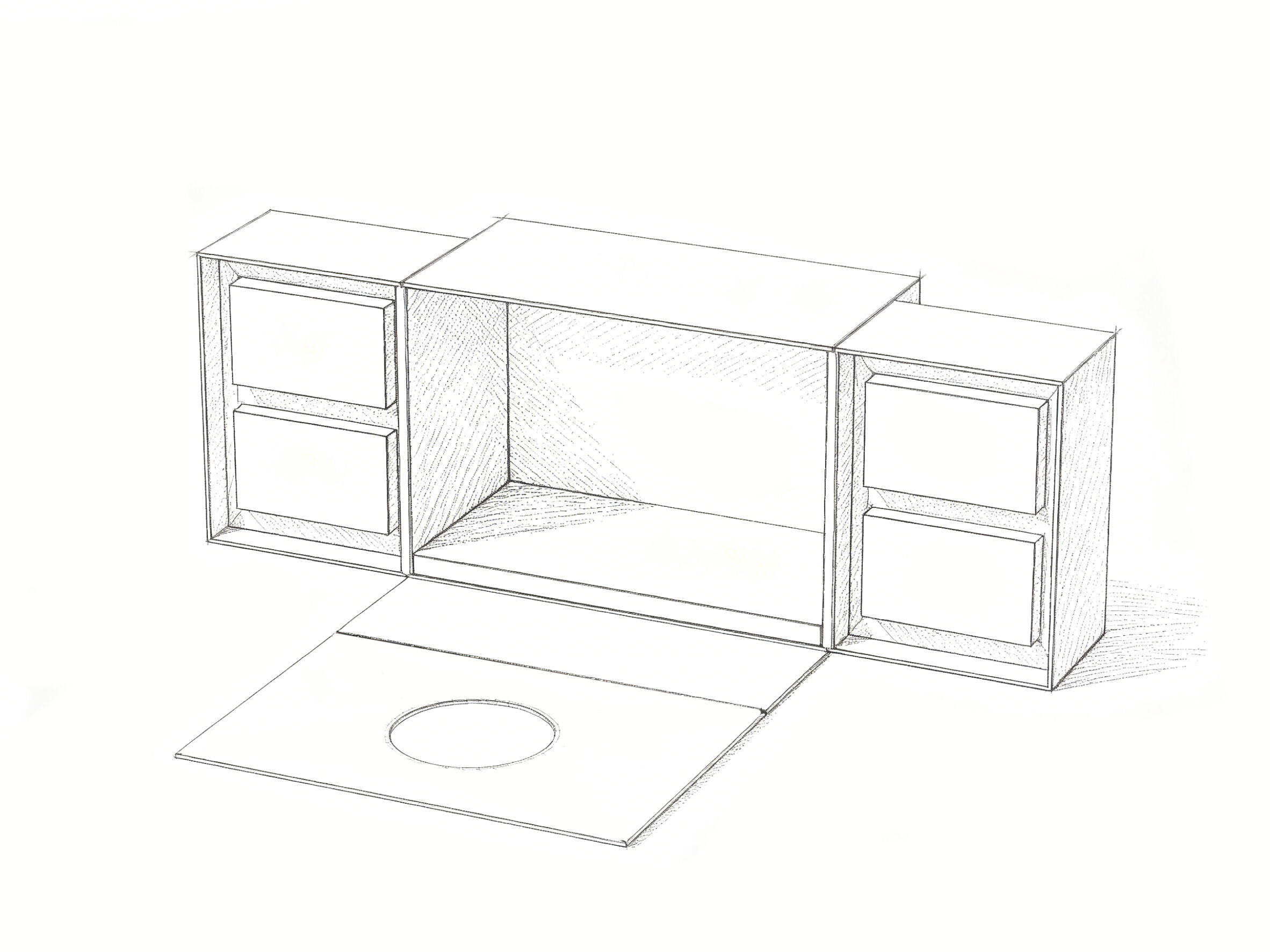
We eventually pitched the "Luxury Keepsake Trunk." Not a flimsy cardboard box, but a heavy, intentional structure that felt like high-end luggage. The idea was to have a central pop-up diorama of world landmarks hidden inside. It was a risky concept because it required perfect structural integrity, but the client loved the "global unity" narrative. This was the raw, "Idea Phase" where we aligned our hands with their vision.
Once the "trunk" was greenlit, our design studio turned into a pressure cooker. This is the stage where the magic has to survive the math.
We started with raw hand-sketches. I’m talking pencils and napkins. We had to map out the "skeleton"—the hinges, the panel arcs, the way the light would hit the diorama. Why? Because you can’t feel "soul" in a CAD file. We showed the Four Seasons team the outlines first, focusing on the flow of the movement.
Then came the High-Fidelity 3D Rendering. This was a battlefield. We didn’t just click "Red." We spent three days arguing over the texture of the embossed dragon pattern. We tweaked the digital lighting a hundred times to show them how the gold foil typography would shimmer under a dim hotel lobby light versus a bright office desk. These renders were our "zero-surprise" guarantee. We wanted the client to know exactly how the light would dance off the paper before we even touched a die-cutter.
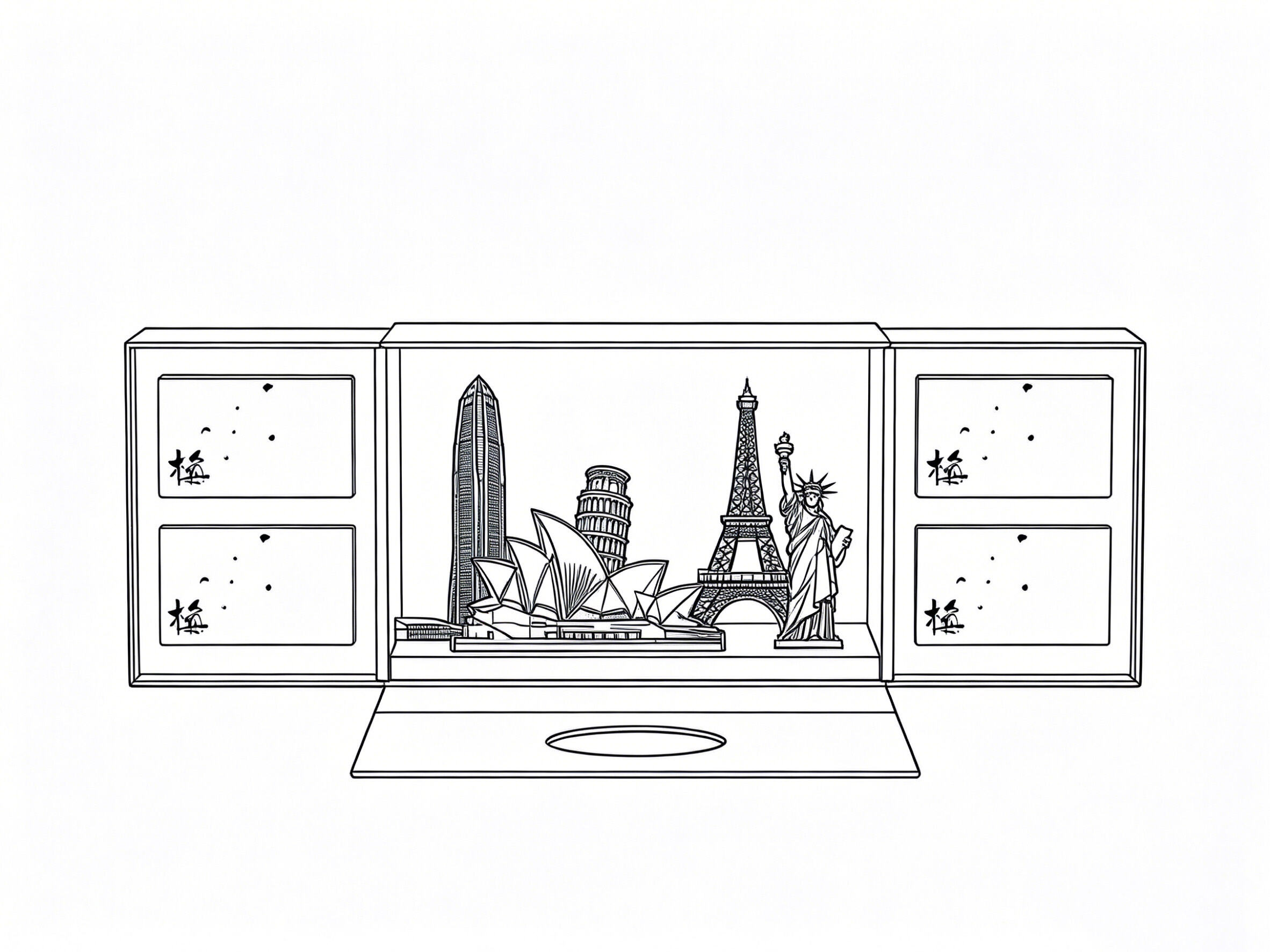
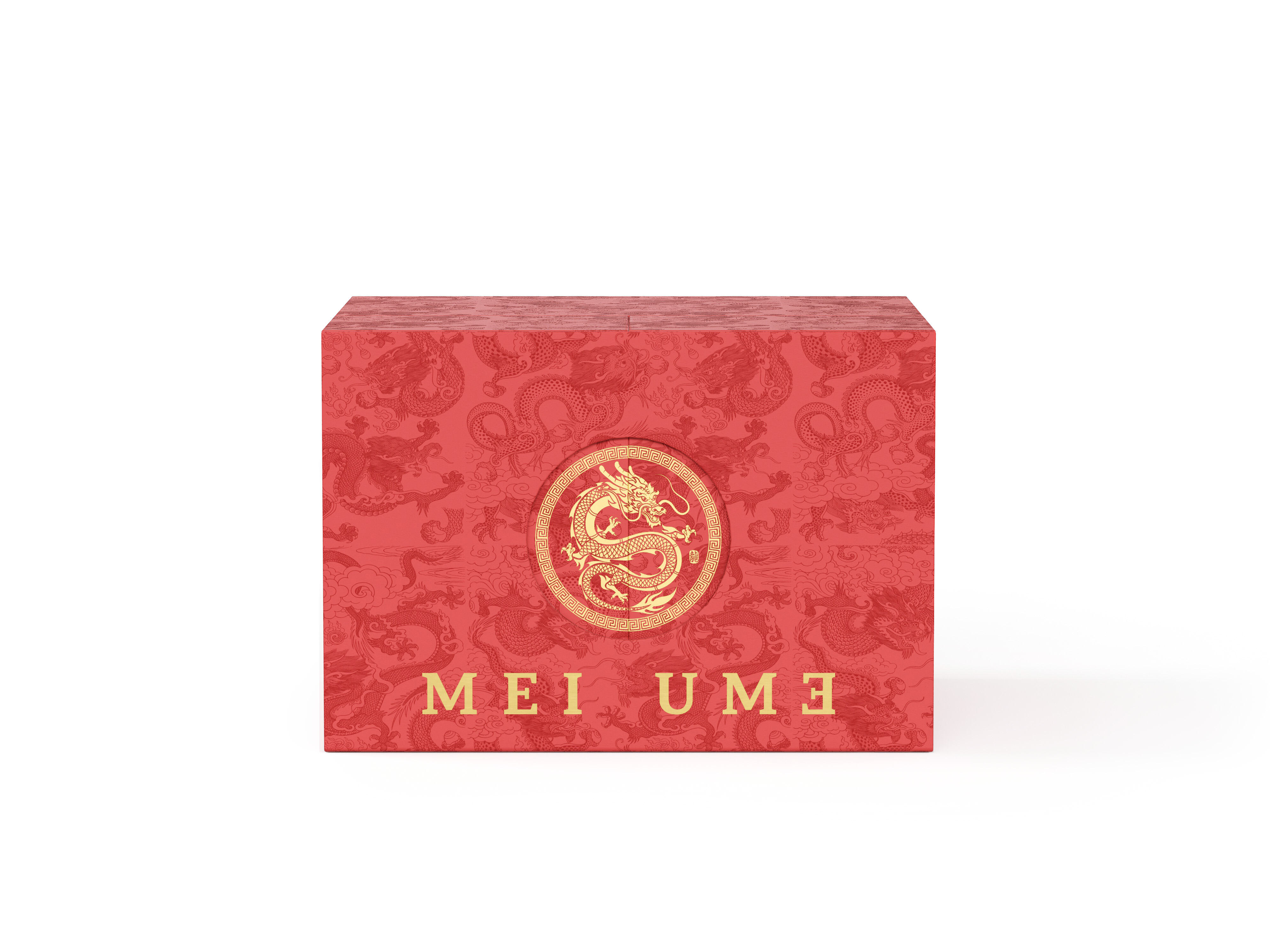
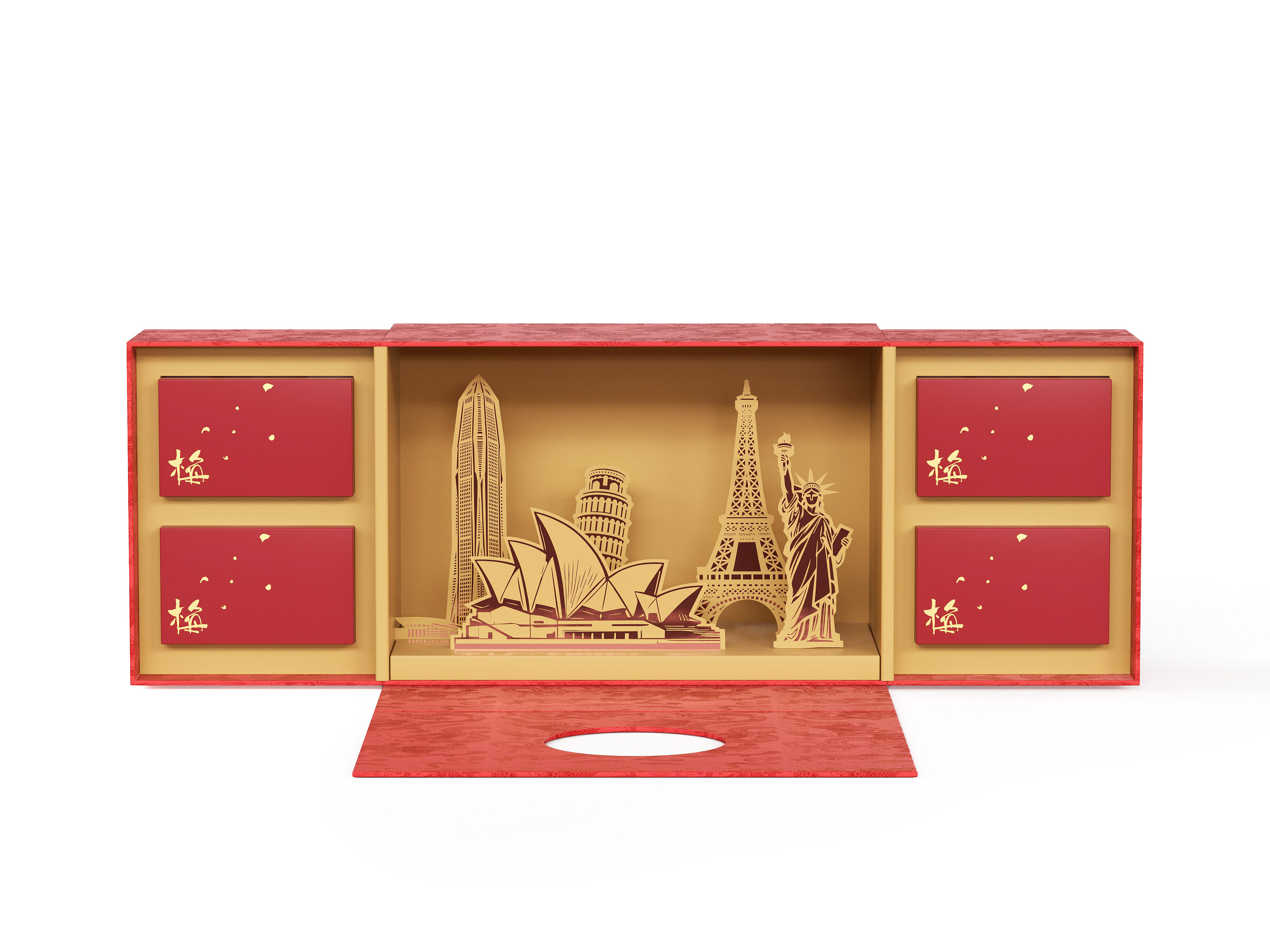
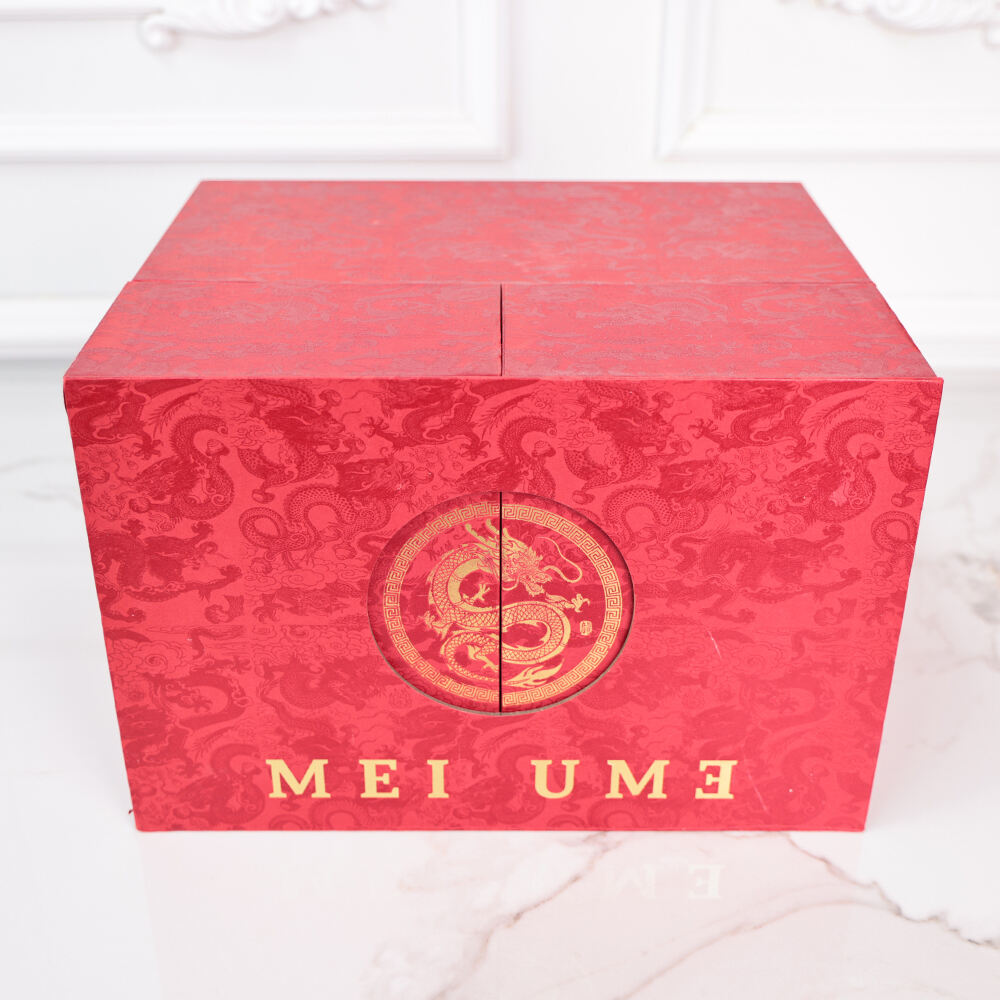
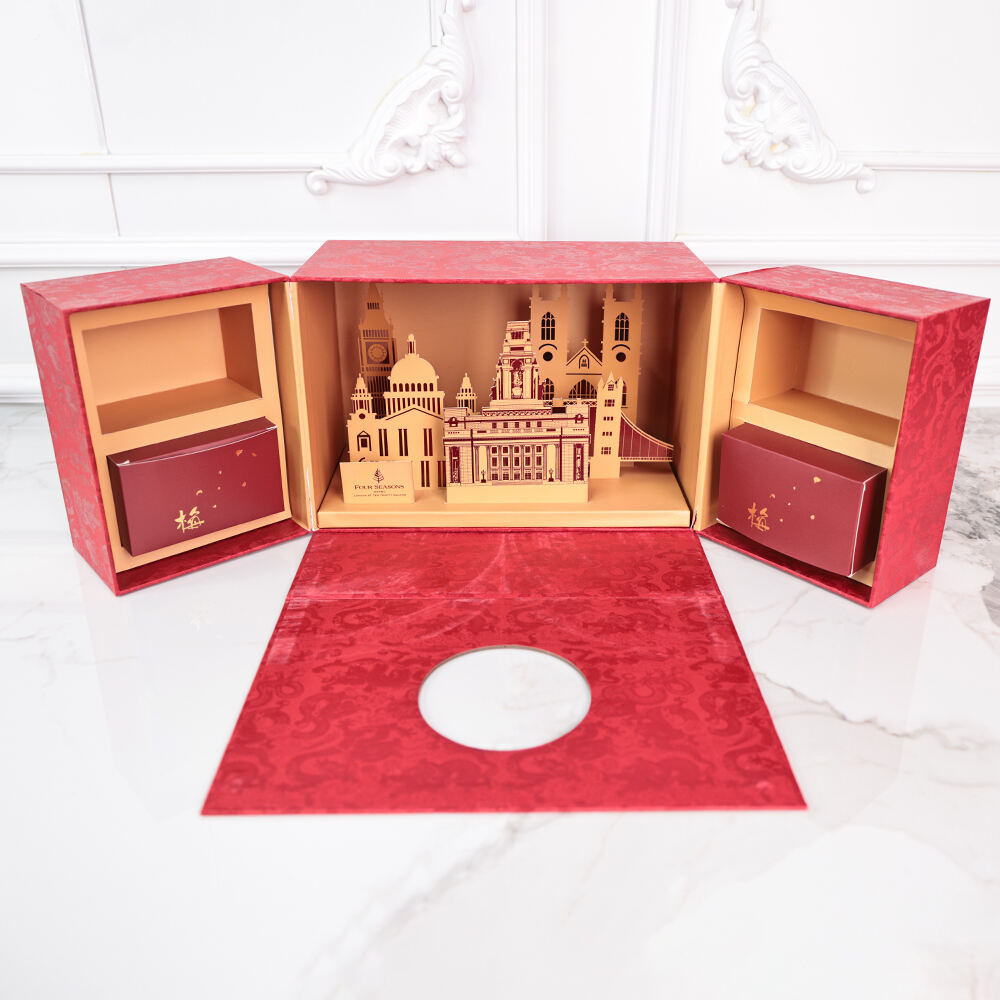
Stage 3 is where the pixels die and the physical world takes over. This is Realization. Our sample room team took the 3D files and began the "hand-to-hand combat" of physical assembly.
Luxury is a sensory game. If a box opens too fast, it feels cheap. If it’s too stiff, it feels broken. We spent an entire afternoon just on the hinge tension. We wanted a specific, muted "thud" when the box closed—that’s the sound of quality.
The real nightmare? The laser-cut pop-up diorama. We tested six different paper weights (GSM) to find one that stood perfectly tall every time but wouldn't crease when folded back down. When we finally sent the physical sample to the client, the feedback wasn't about the logo—it was about the feel. They ran their fingers over the embossed base and played with the pop-up mechanism like kids. The concept had become a tactile reality. It wasn't just packaging anymore; it was a Four Seasons experience.
At Tancybox, we believe the best luxury work isn't "supplied"—it’s co-authored. This Four Seasons project is a template for our entire philosophy:
1.Iterative Refinement: We don't just say "yes" to ideas; we refine them until they are structural.
2.Visual Proof: Our sketches and 3D renders ensure the client is the co-pilot, not a passenger.
3.Physical Mastery: We obsess over the hinges, the paper weight, and the "click" so that the final sample is perfect.
Custom packaging is a high-stakes game. Whether you’re a global giant or a rising boutique, we’re ready to draw that first sketch for you. Let’s build something that people actually want to keep.
TANCY BOX provides premium custom packaging for jewelry, watches, cosmetics, and spirits. With 17 years of expertise and ISO/CE/REACH certifications, we deliver innovative, export-quality solutions for global luxury brands. Request a quote today.
No. 7, High Bridge Middle Road, Longgui Sub-district, Baiyun District, Guangzhou City
Copyright © 2025 by Guangzhou Tancy Industrial Co., Ltd. Privacy Policy
 EN
EN