
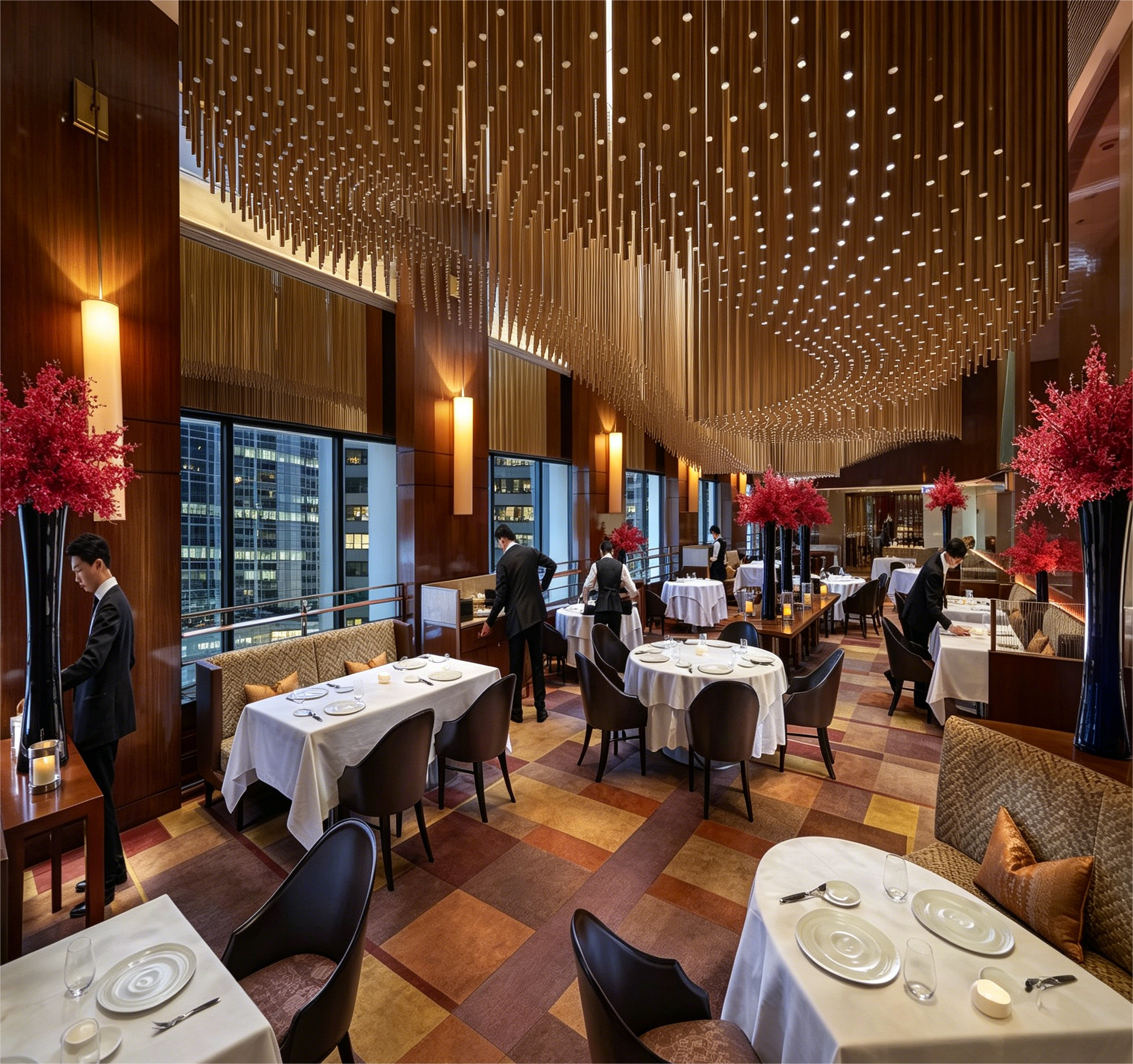
Let’s get one thing straight: working with a Michelin-starred restaurant isn't just a "big project." It’s an exercise in obsessive-compulsive perfection. When a Chef spends sixteen hours a day reducing a single broth to its purest essence, they don't just want a "nice container" for their Mid-Autumn mooncakes. They want a brand ambassador that carries the same weight, the same silence, and the same "quiet luxury" as their dining room.
Over the last decade, our workshop has handled hundreds of B2B luxury projects—from Swiss watch cases to high-end spirit boxes. But this Mid-Autumn brief felt different from day one. The client didn't come to us for a box; they came to us to translate their kitchen’s soul into a physical object. They wanted something that felt as hand-crafted as their seasonal tasting menu, and they weren't going to settle for anything less than a masterpiece.
We didn't start this journey with a polished PDF or a clean set of requirements. We started in what I call the "Messy Middle"—a week of high-energy, caffeine-fueled sessions surrounded by coffee-stained napkins and whiteboards covered in frantic scribbles.
The restaurant’s creative team kept coming back to one specific, almost impossible phrase: "Nature in a Vault."
It sounded like a paradox. How do you combine the raw, earthy, organic feel of a kitchen garden with a structure that screams exclusivity, security, and high-end engineering? We argued back and forth for days. Some suggested traditional red silk (too cliché). Others wanted minimalist white (too sterile).
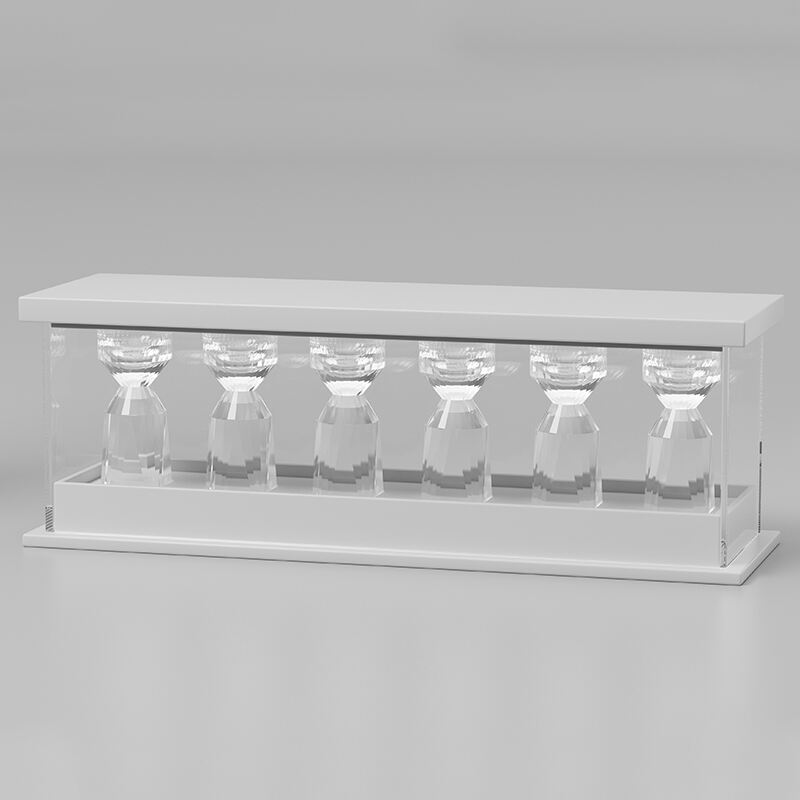
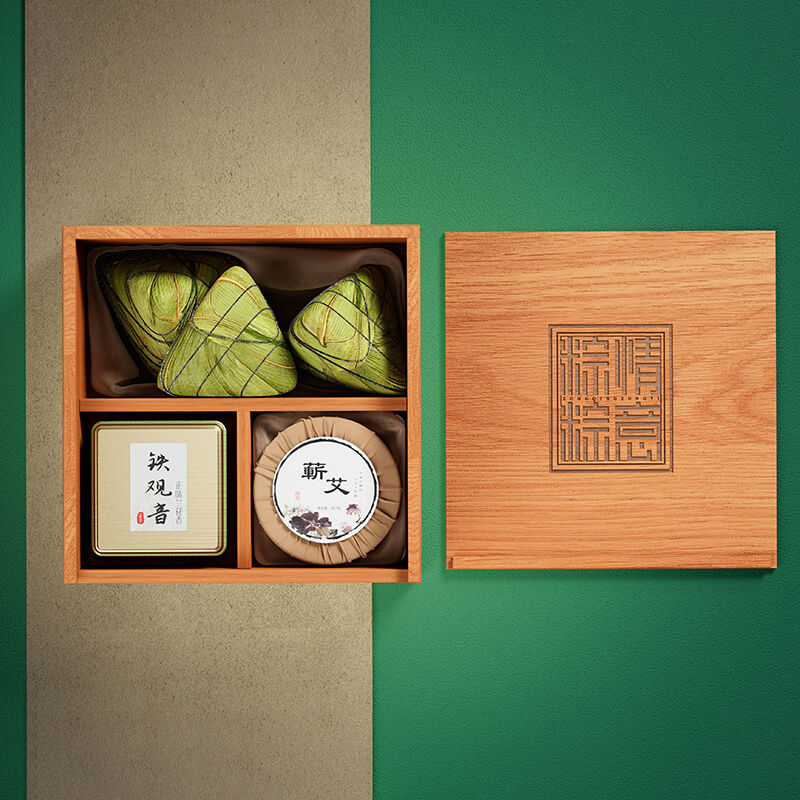
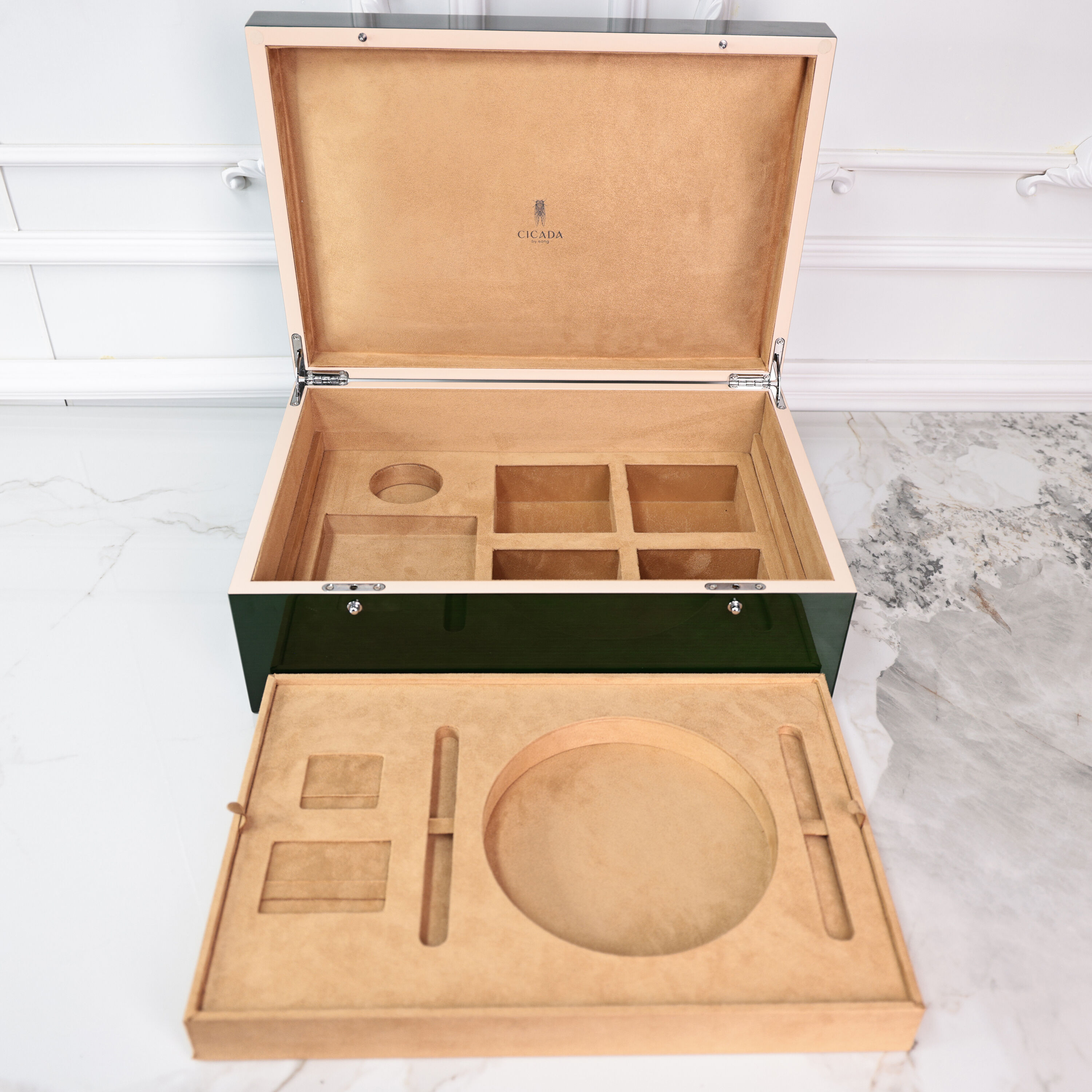
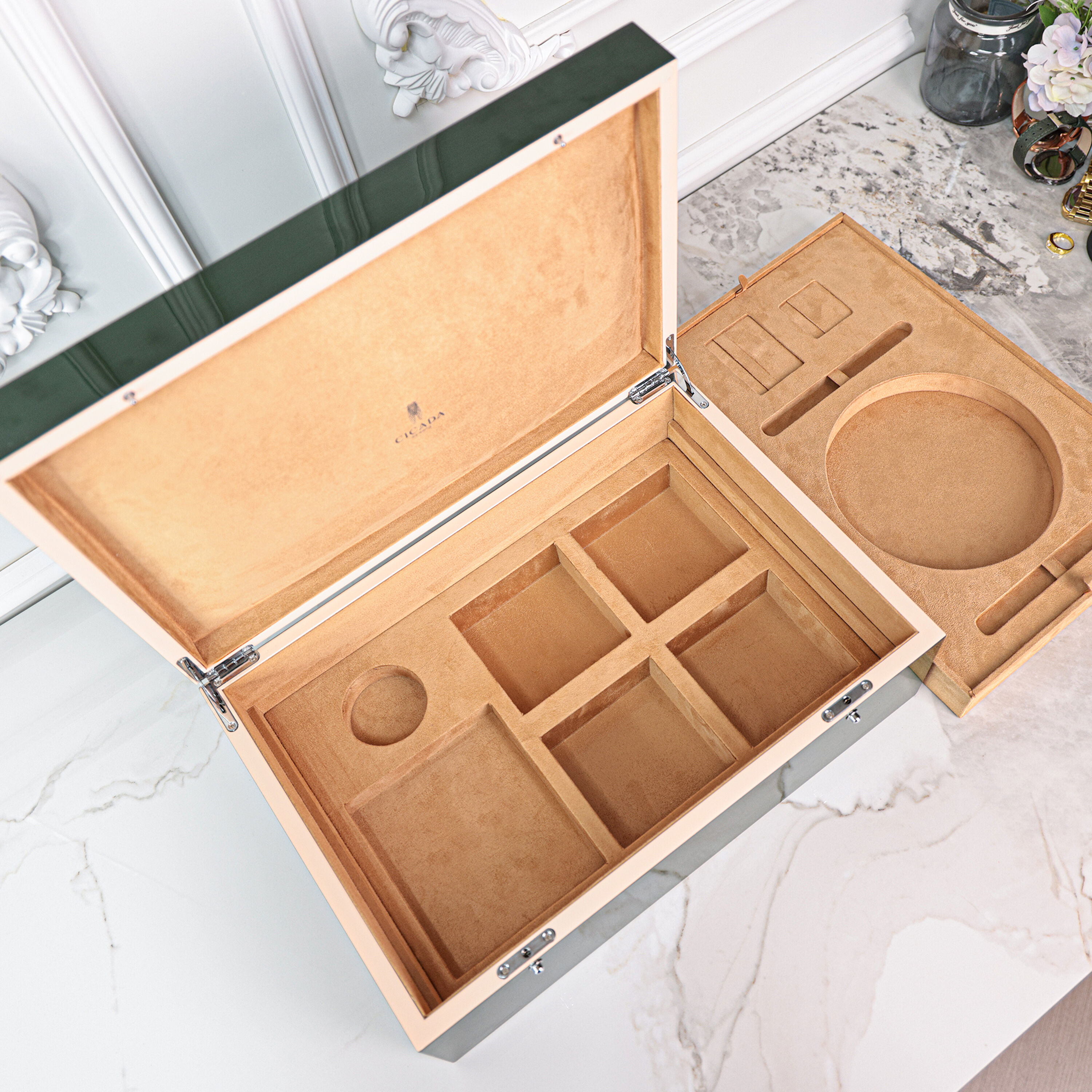
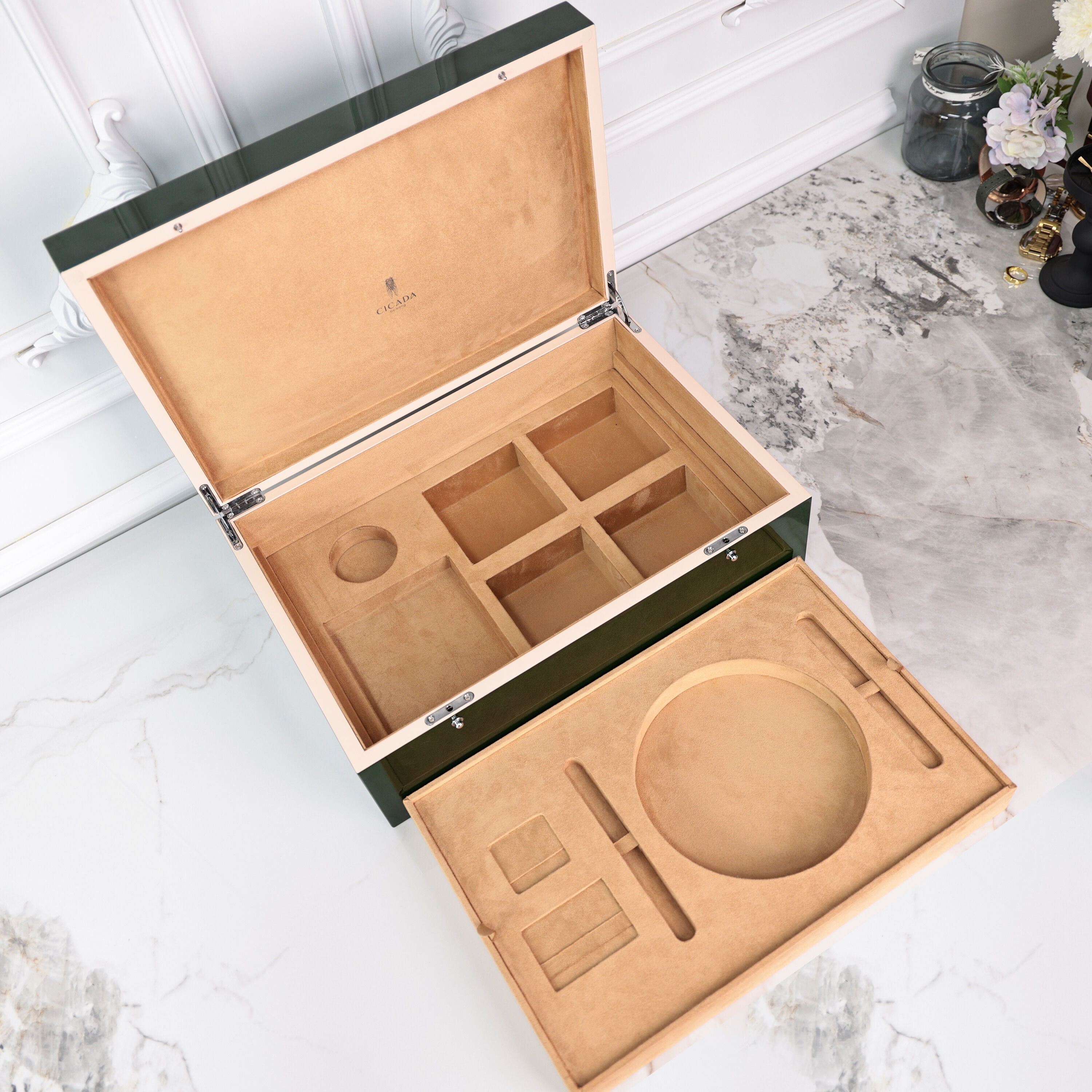
Then came the "Aha!" moment. We decided to scrap the traditional "top-down" lid—the kind you see in every supermarket aisle. It’s functional, sure, but it’s predictable. Instead, we pitched the "Botanical Vault." It would be a two-tiered, heavy-duty chest. The top layer would house the mooncakes like rare jewels, protected by side-opening doors. But the real "kicker" was the bottom drawer. It would hide a surprise: a functional serving kit, complete with a ceramic plate and weighted utensils. We wanted the customer to keep this box for a decade, repurposing it as a stationery chest or a jewelry organizer long after the holiday ended. This phase wasn't just about design; it was about finding the restaurant’s heartbeat and putting it in a container.
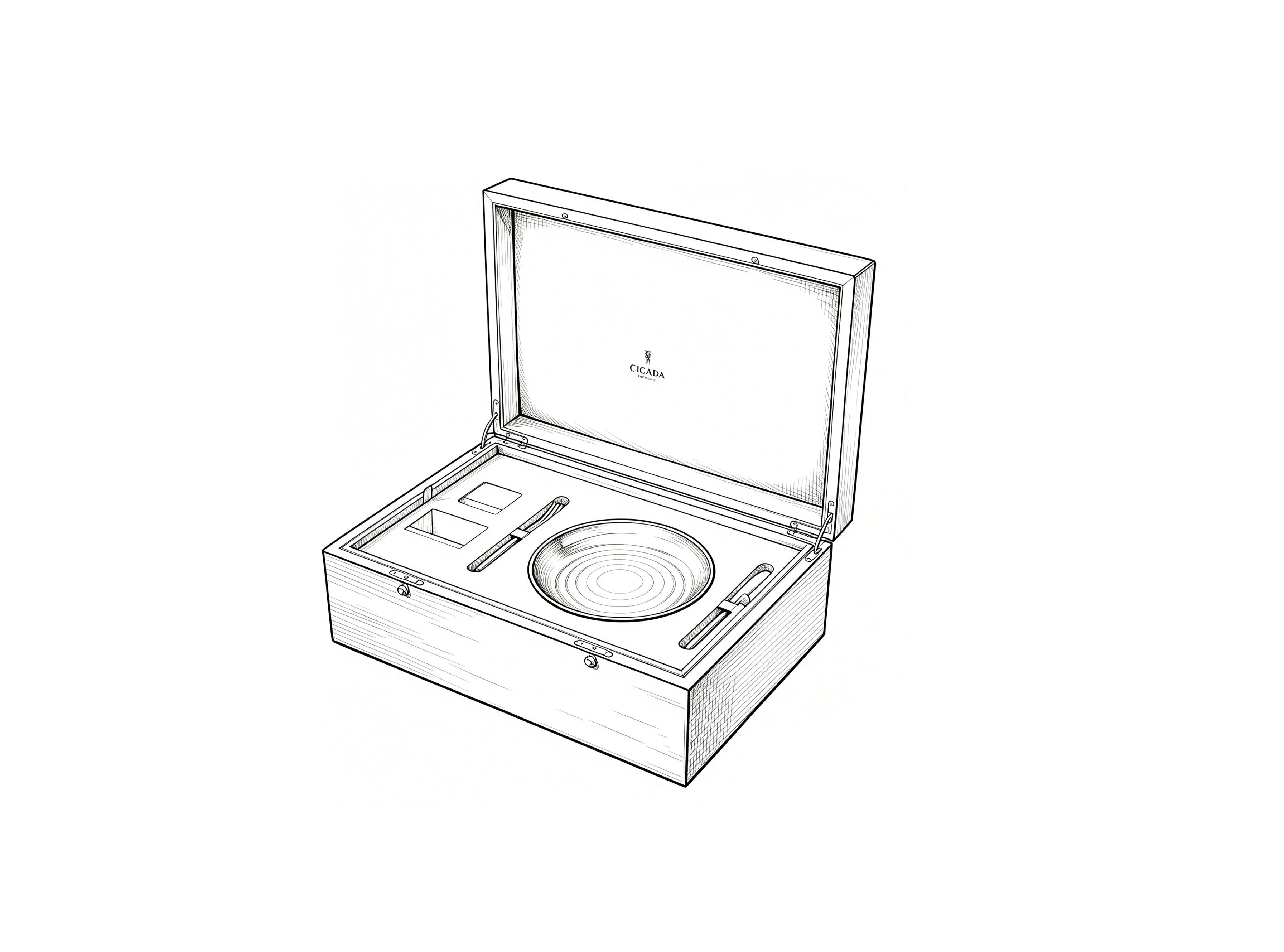
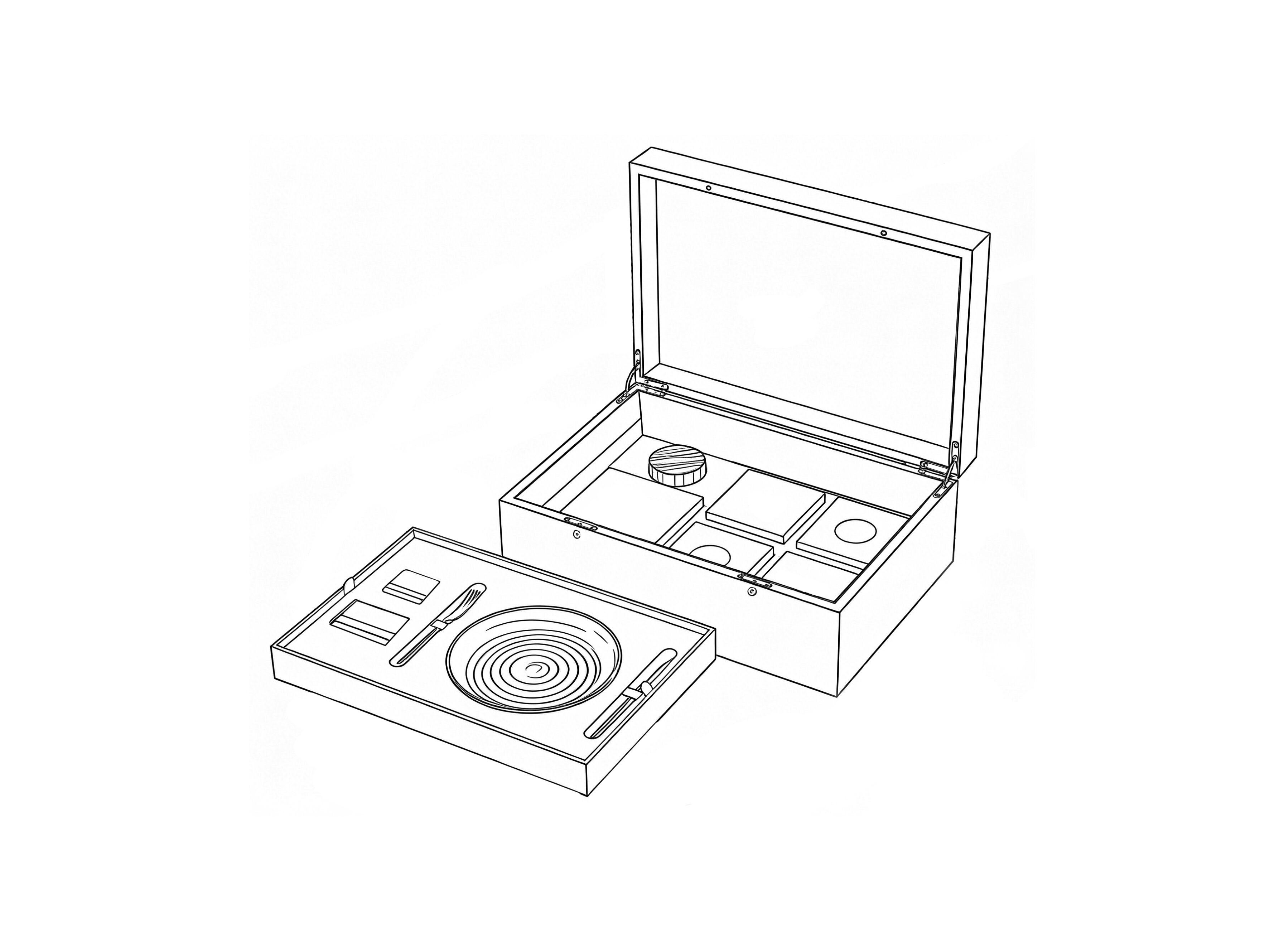
Once the "Vault" concept was locked, our design team disappeared into the technical weeds. In the world of high-end B2B, transparency isn't just a marketing buzzword; it’s a survival strategy. If the client can't see exactly what they're paying for, you’ve already lost. We provided three distinct layers of visualization to bridge the gap between imagination and the factory floor:
1.The Rough Pencil Outlines: We went back to basics—pencil and paper. We needed to map out the ergonomics before touching a computer. How does a human thumb actually slide that bottom drawer? Is the hinge torque too high? If a guest has to struggle to open the box, the "luxury" feeling evaporates instantly. We calculated the exact "clink" of the magnetic seal before a single pixel was rendered.
2.The Obsessive 3D Render: Then came the 3D work, and this is where the real obsession kicked in. We didn't just make a green box.We spent three whole days just tweaking the way virtual light bounced off the high-gloss botanical green lacquer. We wanted it to look like polished emerald, shifting in tone as you rotated it. We layered in the micro-texture of the tan suede lining so the client could almost "smell" the premium quality through their laptop screen.
3.The Logo Battle: We debated the "CICADA" logo for hours. Should it be gold foil? No, too loud. We settled on a blind-debossed shadow. It was subtle, almost invisible, catching the light only when the user tilted the box at a specific angle. It was a "if you know, you know" kind of luxury.
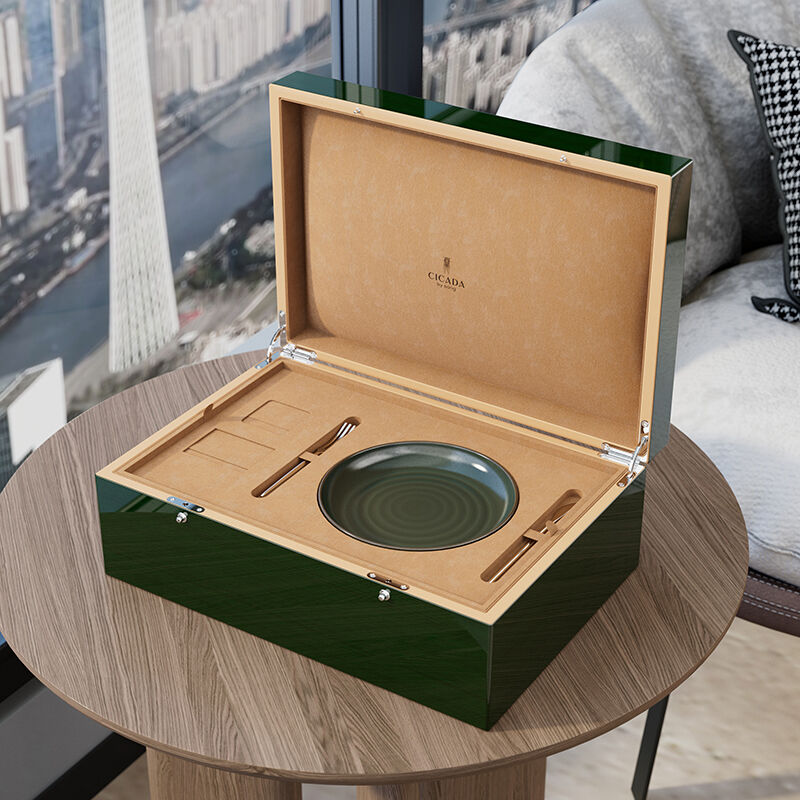
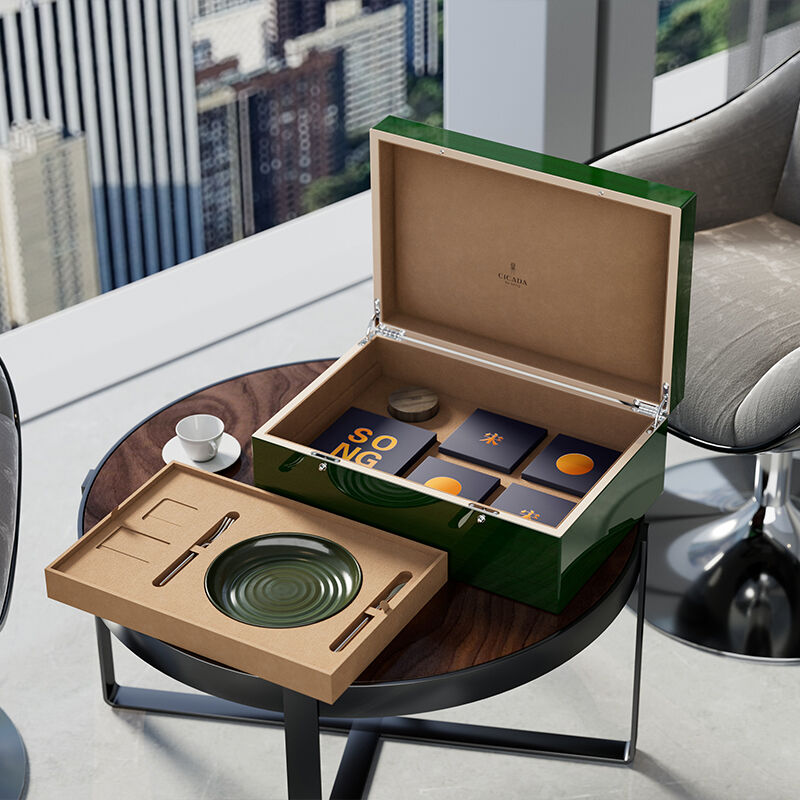
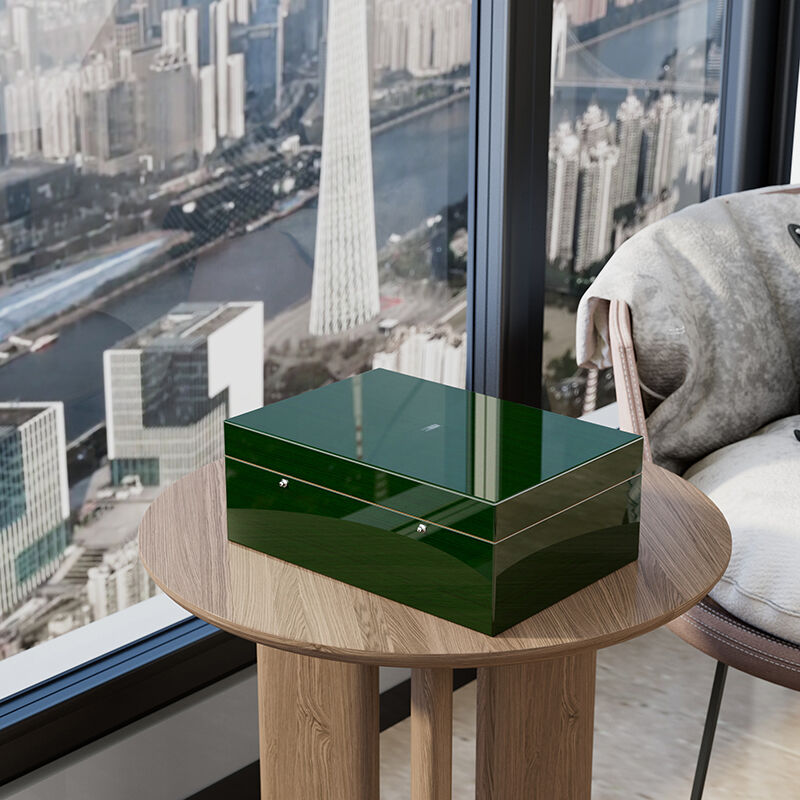
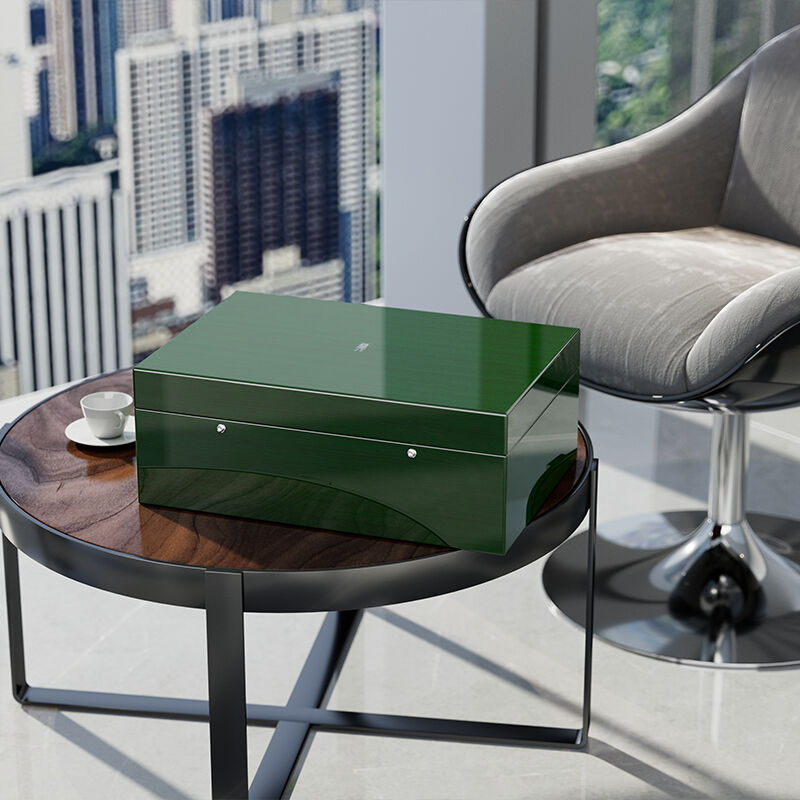
Here’s the cold, hard truth of manufacturing: a 3D render is a beautiful lie. A physical prototype is the reality check. The real test didn't happen on a screen; it happened on our factory floor, amidst the smell of fresh lacquer and the hum of CNC machines.
We built the "Master Prototype (001)." This wasn't just a mockup; it was a full-spec realization of the dream. And it wasn't easy. We actually failed the first two hinge tests. The tension was too loose; it felt "flimsy." We went back to the drawing board, re-engineering the magnetic closures for a week until we got it right. We didn't want a "snap"; we wanted it to feel like the heavy door of a German luxury car closing—heavy, deliberate, and expensive.
The sourcing was equally grueling. A Michelin-starred box cannot be filled with cheap, mass-produced plastic. We worked with local artisans to source a specific grade of ceramic for the serving plate and weighted utensils that matched the restaurant's own tabletop standards.
When we finally flew the physical box to the restaurant for the final hand-off, the room went quiet. The Executive Chef didn't look at the logo first. He didn't check the color. He simply picked it up and felt the weight. He felt the balance. Then, he slowly slid open the bottom drawer. The silence lasted for what felt like an hour. Finally, he looked up and whispered, "This isn't a box. This is our kitchen in a container."
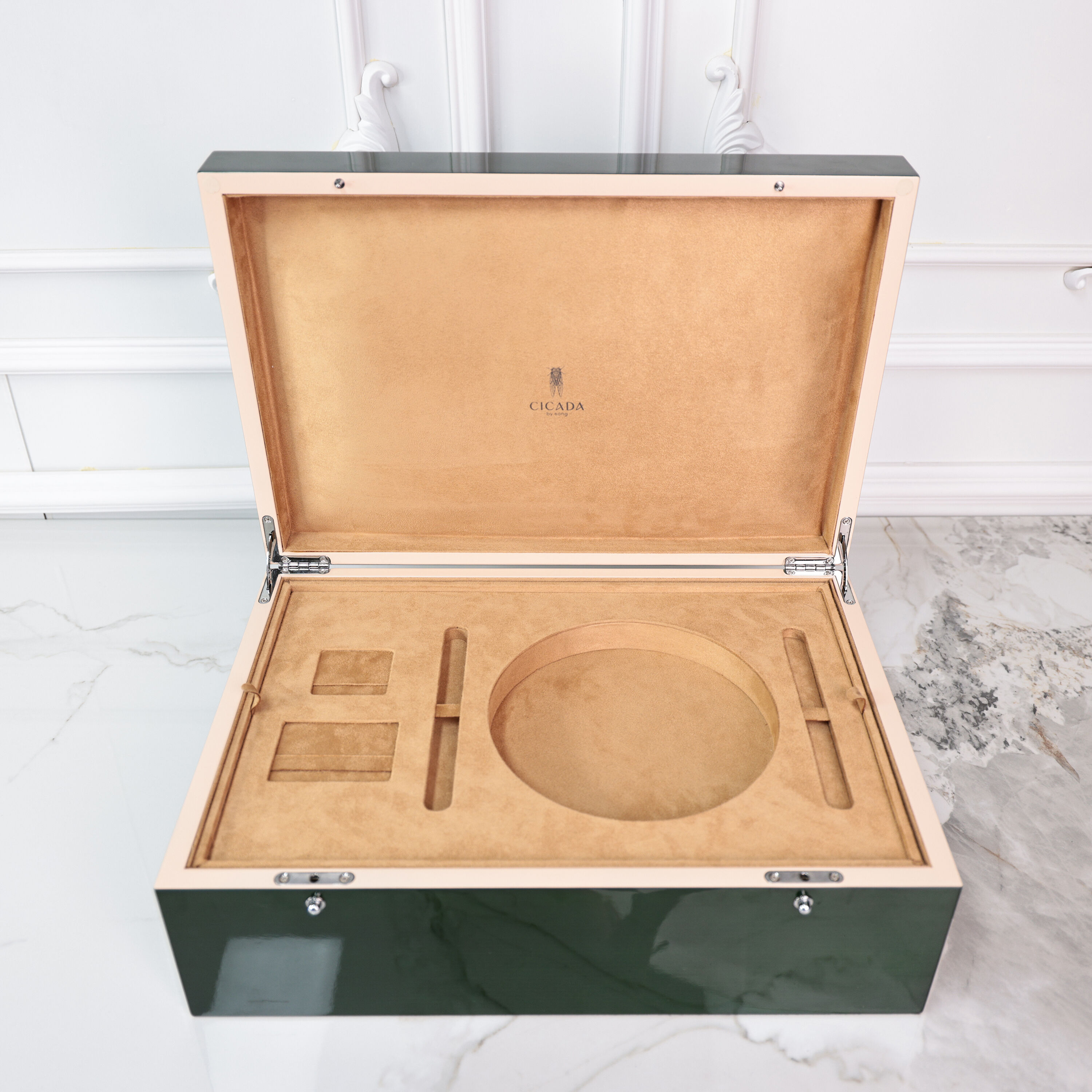
In the world of luxury hospitality and fine dining, the "unboxing" isn't just "opening a package"—it’s the first course of the meal. It sets the tone for everything that follows. If the packaging feels cheap, the food feels less expensive. It’s that simple.
By sticking to this gritty, three-phase process—moving from a Raw, Messy Idea to Technical Obsession and finally to a Perfected Physical Sample—we ensure there are zero "oops" moments during mass production. We don't just manufacture boxes; we manufacture the same level of precision you put into your own craft.
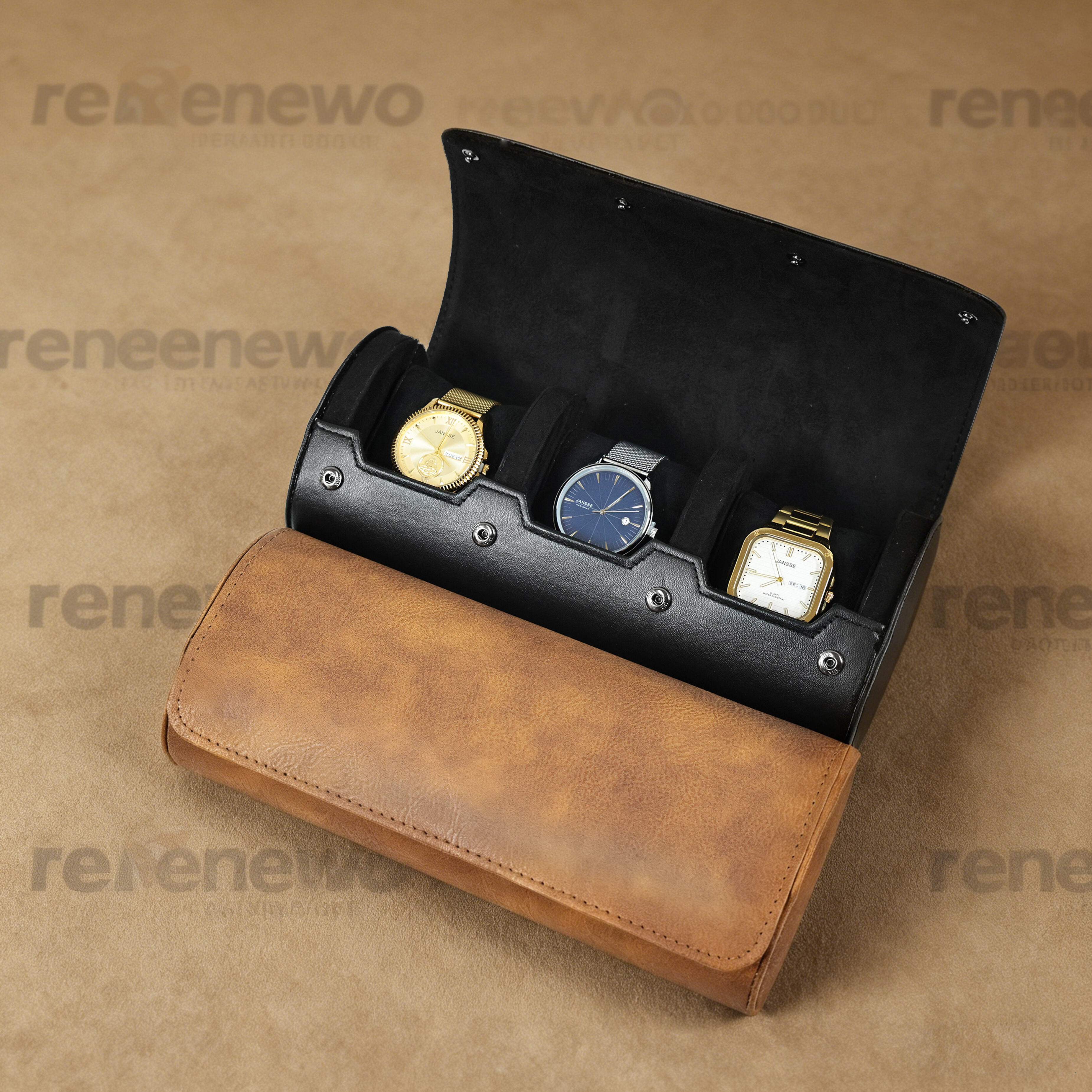
We take pride in working with brands that demand the impossible. Whether you're a Michelin-starred kitchen or a boutique watchmaker, we’re here to get our hands dirty and build something that lasts. Ready to build your own "Vault"? Let’s get to work.
TANCY BOX provides premium custom packaging for jewelry, watches, cosmetics, and spirits. With 17 years of expertise and ISO/CE/REACH certifications, we deliver innovative, export-quality solutions for global luxury brands. Request a quote today.
No. 7, High Bridge Middle Road, Longgui Sub-district, Baiyun District, Guangzhou City
Copyright © 2025 by Guangzhou Tancy Industrial Co., Ltd. Privacy Policy
 EN
EN